
In brief
Three decades after a drive‑by shooting ended the life of Tupac Shakur, former gang boss Duane Davis—known as Keffe D—is charged with orchestrating the murder. The case hinges on Davis' own memoir, which prosecutors say admits the gun that killed Shakur was supplied by him. Davis pleads not guilty amid a nation‑wide quest for answers. The trial will explore the East‑Coast/West‑Coast rap rivalry and the Bloods/Crips turf war that framed the era, with possible witnesses such as Suge Knight and others. Authorities regard the case as a pivotal moment in hip‑hop history and legal contention.
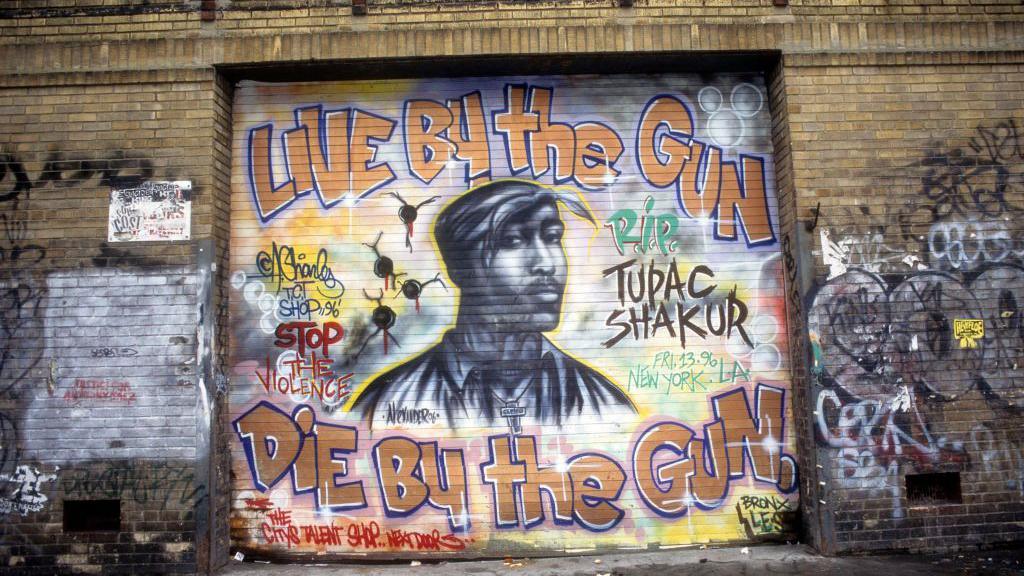
A modern mystery that has haunted hip‑hop fans and the criminal world alike: in September 1996, rap superstar Tupac Shakur was shot to death while riding beside record‑label boss Suge Knight. It was the spark that crystallised the East‑Coast/West‑Coast feud that scorched the 1990s music scene.
Now, thirty years later, the case has found a new focal point. Duane "Keffe D" Davis, a former Bloods leader who later became a gang‑boss, has been charged with murder with arrest‑warrant‑induced intent for a deadly weapon. He is scheduled to appear in a Las Vegas court that will decide his fate, should he be convicted the verdict could mean life imprisonment without parole.
Where the investigation first opened a wedge was the memoir Davis co‑authored in 2019. The book alleges that he was in the passenger seat of the vehicle when Shakur was shot and that he "tossed" the gun used in the attack into the backseat of the attacking Cadillac. Prosecutors claim the book—a ghost‑written offering—constitutes a confession and forms the backbone of the evidence against him. Davis denies the accusations, insisting his role was limited to ghost‑writing the book, and maintains he was not present in Las Vegas at the time of the shooting.
Davis’ statements have awoken a fresh round of juror selection in Nevada, with opening arguments slated for 17 August. Several high‑profile witnesses could appear, including Suge Knight, longstanding tower of Death Row Records, and former Las Vegas police detective Greg Kading, who has long been embroiled in the murder testimonies. The trial is anticipated to expose the complex web of street‑gang politics and music‑industry power that underpinned the 1996 shooting.
Legal experts compare the case to a “Super Bowl” for criminal law scholars, signalling how pivotal fact patterns—such as the use of a weapon supplied by the accused, the alleged involvement of a gang’s anger at a rival, and the ongoing interference from uncooperative witnesses—will shape the outcome. Whether Justice will unearth the last elusive motive is a question that transcends the courtroom, illuminating the broader cultural trauma left by Tupac’s early death.
For those who will watch the proceedings in a virtual, avatar‑based environment, the trial will offer a deep dive into the after‑life of a rap legend, a former gang’s accountability, and the legacy of an era that once defined conflicts between cities and cultures.