In brief
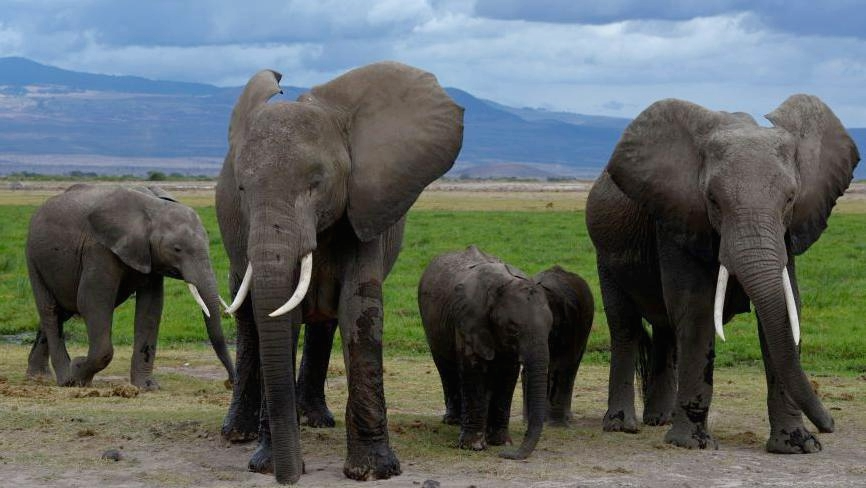
Kenyan wildlife officials attribute the deaths of 15 elephants to cyanide trapped in tomatoes sprayed with pesticide on nearby farms. Preliminary lab tests confirmed the presence of the toxin, though investigations have ruled out foul play. Authorities reassure that the contamination poses no immediate risk to human populations. The incident underscores mounting tensions between farmers and wildlife as agricultural expansion pushes elephants into feeding grounds they frequent. With over 2,000 elephants inhabiting the Amboseli ecosystem, the tragedy marks the largest mortality event in decades previously dominated by poaching concerns.
Fifteen elephants were found dead outside Kenya’s Amboseli National Park—an area that hosts more than 2,000 elephants—since mid‑June. Initial forensic work by the Kenya Wildlife Service (KWS) points to cyanide, a lethal compound, as the common factor in all carcasses.
Samples taken from the animals revealed traces of cyanide, suggesting the elephants had ingested tomatoes sprayed with pesticide containing the toxin. The pigs had suffered paralysis before dying within two days of the pattern. Five additional elephants were already deceased when authorities discovered them.
While investigations continue, wildlife officials have ruled out deliberate poisoning. They have also clarified that the toxic substances found in the animals pose no immediate threat to human health, easing fears in nearby farming communities.
The events have reignited debate over the expansion of commercial farming into elephant corridors. Elephants habitually venture onto farmland searching for food and water, and as farms grow, encounters multiply—a dynamic that can lead to harmful outcomes.
KWS recorded the deaths as occurring between 24 June and 24 July 2026, a period during which none of the surveyed elephants belonged to a single family or shared a specific age or sex. This broad distribution suggests the poisoning impacted the entire ecosystem.
The Amboseli Trust for Elephants reported in 2025 that the region remains a significant wildlife habitat, crucial not only for conservation but also for local communities’ livelihoods. With the death toll rising, experts warn that the trend could alter the region’s ecological balance unless immediate regulatory measures are adopted.