In brief
During Botswana’s diamond jubilee celebrations, the government authorised the killing of 23 elephants for state feasts, provoking a backlash from animal rights groups. Conservationists warned the move could legitimize poaching and threaten the country’s massive elephant population. The decision arrives amid a foot‑and‑mouth outbreak and a swift shift in hunting policy, sparking debate over wildlife management and community welfare.
Botswana’s 60th anniversary of independence has sparked a heated debate after authorities authorised the official killing of 23 elephants to serve at provincial feasts.
The ministry’s licence, issued early this week, authorises hunting for 'complimentary purposes' across eight districts and will distribute carcasses to communities during celebratory banquets.
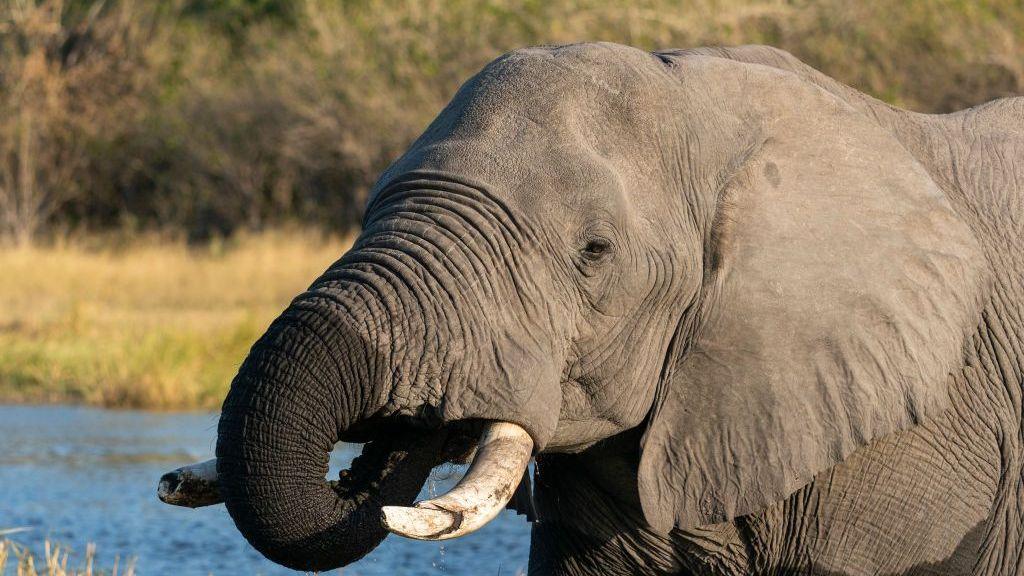
Elephant Protection Society chair Oaitse Nawa warned that slaughtering the revered animals could signal to poachers that killing elephants is state‑approved, threatening a herd that numbers over 130 000.
The decision also coincides with a foot‑and‑mouth outbreak, and residents raised concerns about hygiene and fairness as families queued beside carcasses.
Since the 2014 ban on trophy hunting, Botswana’s policies have swung between restriction and regulation, with the current government citing revenue and community benefit as justification.
U.S. Mmolotsi told parliament that elephant quotas generated 15.6 m pula in 2025 for conservation projects, though critics question whether the scale of hunting is sustainable.
Supporters argue the hunts curb human‑elephant conflict and fund rural development, while opponents say the move undermines cultural significance and conservation goals.