In brief
Indigenous leaders emphasize the need for consultation on projects affecting ancestral lands as the government pushes forward with national initiatives.
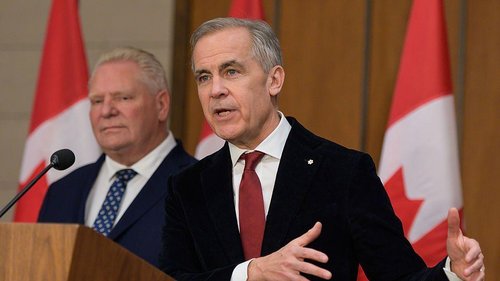
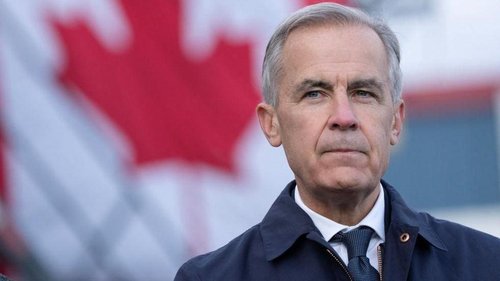
In the wake of a recent electoral victory, Prime Minister Mark Carney has embraced the bold mantra of “Build, baby, build,” signaling a determined push to retool Canada’s economy through intensive infrastructure projects. This initiative aims to enhance national interest and promote energy independence by prioritizing domestic developments like oil pipelines, nuclear facilities, and transportation networks, all designed to reduce reliance on the United States.However, as the vision begins to take shape, it has sparked fierce opposition from Indigenous communities across the nation. Leaders from these groups assert that, historically, they have been sidelined in decisions impacting their ancestral lands. They demand that their voices be an integral part of the conversation surrounding any proposed developments on territory they have inhabited for generations.“Our perspective matters. It’s vital for the government to engage us from the beginning,” urged Dave Petiquay, a traditional leader from the Atikamekw First Nations in Wemotaci, Quebec. He criticized the government's approach, stating that discussions often occur only after decisions have been made, leaving Indigenous groups to react rather than participate proactively.As Canada aims to regain economic strength and assert itself as a global energy powerhouse, the clash between ambitious infrastructure goals and the call for Indigenous consultation signals a crucial turning point. This period of reconciliation highlights the need for a collaborative model in which the rights and traditions of Indigenous groups are respected and integrated into the national plan.