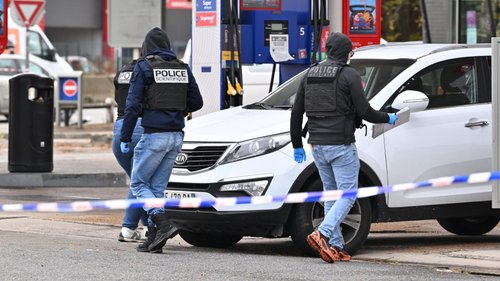
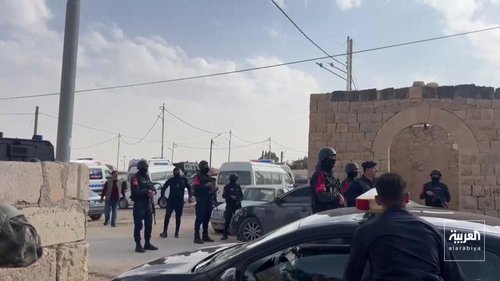
On Saturday, October 31, Moscow’s Federal Security Service (FSB) announced it had received intelligence from the United States about possible terrorist preparations targeting the Russian capital. The FSB said it was taking "relevant work is underway" to counter the threat, according to a statement issued by the agency.
The U.S. embassy in Moscow promptly issued a security alert that same day, warning of a potential mass‑casualty event at the Tsaritsyno Museum Reserve. The embassy said it was working closely with the appropriate Russian authorities to coordinate a response and to keep U.S. citizens and interests protected.
Source of the Intelligence
The information the FSB claims to have received came through “partner channels,” a phrase used by the agency to refer to the U.S. intelligence community. While the FSB did not identify the specific source, the statement made it clear that the U.S. provided the data and that the Russian side was now aware of a concrete threat.
The U.S. embassy’s statement, released on the day of the alleged threat, read that the United States “is coordinating with the appropriate Russian authorities in response to the threat.” The alert was aimed at preventing potential attacks and ensuring the safety of both U.S. citizens and the general public in Moscow.
FSB’s Counter‑Measures
The FSB’s statement claimed that it was implementing relevant counter‑measures, though it did not disclose the details of those operations. The agency’s spokesperson said the security context around the Tsaritsyno Museum Reserve had been heightened, with increased patrols and checkpoints being deployed in the area.
“Relevant work is underway,” the FSB said in its statement.
Other officials linked to the FSB said that the agency had activated emergency response protocols, and coordination efforts across various security and law‑enforcement agencies were underway. The exact nature of the measures was not disclosed for security reasons.
U.S. Embassy’s Coordination
According to the U.S. embassy’s alert, the U.S. government remains in communication with the Russian authorities. Washington’s officials said that cooperation is essential for rapidly assessing the threat and coordinating operational responses. The embassy’s brief did not reveal the specifics of the U.S. information shared, but it confirmed that the data had been considered credible enough to trigger action in Russia’s capital.
Some U.S. officials noted that the intelligence was not the result of an uncovered plot, but rather an ongoing assessment of potential threats. The statement stressed that Washington is monitoring the situation closely and will continue to share relevant intelligence with Russian authorities as the situation evolves.
Reactions From Other Actors
The Russian Ministry of Foreign Affairs confirmed that Moscow was taking the U.S. information seriously and that it would coordinate further with Washington. In a brief statement, the ministry said Moscow was working closely with the U.S. to ensure the safety of citizens and infrastructure.
Local media reported that the FSB’s cooperation with U.S. “partner channels” demonstrates the continuing, albeit sometimes strained, ties between Russian and American security agencies. The FSB statement indicates that Russian authorities have been short of trading intelligence in the past, and they are now looking to cooperate pragmatically when a tangible threat emerges.
Future Outlook
Law‑enforcement officials in Moscow said that the alert will remain in effect until the threat is mitigated, and the FSB intends to maintain close watch over the Tsaritsyno Museum Reserve. The U.S. Embassy will keep monitoring the situation and will issue updated guidance if necessary.
For now, the joint statement from the FSB and the U.S. Embassy underscores the importance of trans‑border intelligence sharing for protecting public safety from terrorist threats. Whether deeper joint initiatives will be launched remains to be seen, but both sides have signaled willingness to cooperate further as needed.