In brief
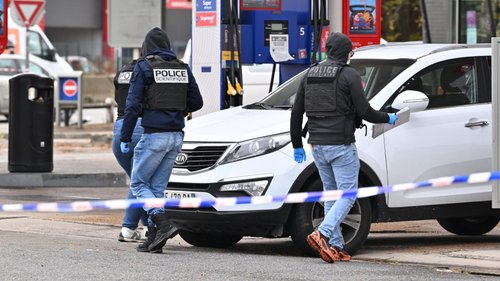
Late‑October protests in France drew roughly 320,000 participants according to Le Monde, while youth unions reported nearly 500,000. The rallies disrupted Paris public transport, with more than 40 metro stations closed, and ended in projectile clashes near Porte de Charenton. About 70,000 police officers were deployed across the country in the third successive mass demonstration.
On Saturday, Oct. 31, France witnessed a broad coalition of protestors that reached a reported 320,000 participants nationwide, according to French daily Le Monde, which relied on figures supplied by the Interior Ministry. Police estimates placed the Paris turnout at 70,000 as of 5 p.m. local time (16:00 GMT). Youth unions of high‑school and university students, however, claimed a figure close to 500,000 for the entire country, including 200,000 demonstrators within Paris.
Nationwide Participation and Police Presence
The Interior Ministry confirmed the widespread mobilization by deploying roughly 70,000 police officers and gendarmes across the country to manage security during the demonstrations. This deployment marked the third large‑scale protest in France since the nationwide strikes begun on Oct. 17.
Transport Disruptions and RATP Closures
Paris public‑transport operator RATP reported that more than 40 metro stations were closed during the protest day, citing clashes that threatened commuter safety. The disruptions prompted widespread delays and forced commuters to seek alternate routes.
RATP’s statement emphasized the need for safety and logistical coordination as the city struggled to accommodate the sudden surge in pedestrian traffic.
Clashes at Porte de Charenton
While most demonstrations proceeded peacefully, tensions escalated near the city’s authorized endpoint, Porte de Charenton. Here, protestors threw projectiles at police officers. In response, police deployed tear gas to disperse the crowd. Le Monde reported that the confrontation led to injuries and immediate arrests.
Local law‑enforcement reports indicated that the clashes were contained within the vicinity of the terminal, after which demonstrators withdrew toward the city center, where further tension and smaller skirmishes broke out.
Historical Context and Future Outlook
This round of demonstrations comes amid a continuing wave of civic unrest in France, with marches addressing economic, labor, and political grievances. Authorities have increased police presence and transport restrictions in anticipation of future mass mobilizations, as the government weighs strategies to maintain public order.
The latest figures highlight a divide between official estimates and student‑union claims, underscoring the challenge in measuring protests where participants may enter or leave spontaneously. As French authorities continue to monitor the situation, the international community observes the balance between civil liberty and public safety in the nation's capital.