In brief
In late November 2026, President Donald Trump said he may abandon his threatened resumption of military strikes against Iran, suggesting a negotiated deal could be reached. Vice President J.D. Vance echoed the optimism, stressing that any settlement must include a verifiable commitment from Iran not to rebuild its nuclear program. The statements came as Iran and U.S. negotiators continue talks in Doha and after a recent series of U.S. and Israeli strikes on Iran.
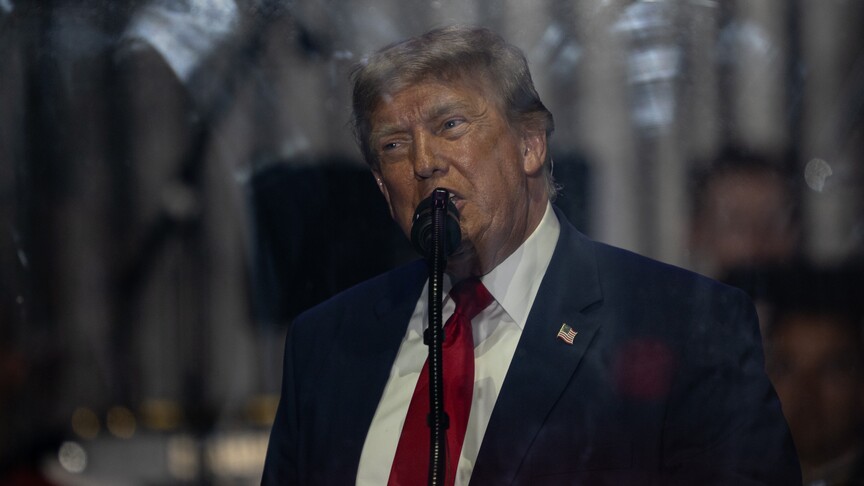
On Monday, November 2, 2026, U.S. President Donald Trump spoke at Washington’s Lincoln Memorial Reflecting Pool and expressed doubt that the United States would resume military strikes against Iran, hinting that a negotiated settlement could be achieved instead.
During the speech, Trump answered reporters’ questions by saying, "No," to the inquiry about whether he was considering striking Iran again following the midterm elections. He added that the United States had begun “major combat operations” in Iran, but clarified that the conflict was not an open war and that the U.S. had “done very little fighting” lately after earlier successful strikes that had eliminated Iranian leadership. Trump maintained that the U.S. had “wiped out” Iranian leaders and that they were now asking Washington to stop targeting them if a deal was reached.
He warned that Iran must never possess a nuclear weapon, stating that the U.S. “will not allow Iran ever to have a nuclear weapon” and that Iran’s nuclear promise had been acknowledged by Tehran. Trump explained that the war’s high gasoline prices were harming voters and that the U.S. was under pressure to end the conflict.
Vice President J. D. Vance joined Trump on Monday, reporting that Washington had made “progress” with Iranian negotiators. Vance said Trump and he felt “pretty good” about the prospects for a negotiated settlement. He added that Iran’s unpredictability was a concern, but that Washington kept both kinetic and non‑kinetic options available. Vance acknowledged the lack of a deadline for strikes to resume and emphasized the importance of a “verifiable commitment” from Iran that it would not rebuild its nuclear program.
Later, on November 3, J. D. Vance reiterated that U.S. and Iranian talks were moving forward. He noted that a memorandum signed between Washington and Tehran in June had paved the way for further negotiation, even as tensions from the February 28, 2026, U.S. and Israeli strikes continued. Vance said that the state remained open to strengthening its position should Iran persist with its nuclear program.
Iranian officials had been in Doha on Sunday for the third consecutive day of talks with Qatari mediators. The aim was to push for a deal that would end the war that entered its ninth month. Trump suggested that Iran was eager to make a deal and that “it could happen,” indicating that Tehran had asked Washington to stop targeting its leaders. Trump promised that if Iran complied, Washington would “stop doing that.”
While Trump downplayed the possibility of targeted strikes, he described a potential deterrent strategy that had already occurred a year earlier. He referred to the deployment of B‑2 bombers that struck Iranian targets, saying the campaign was a “beautiful” deterrent that had forced the mutli‑ton material “into the middle of the ground.” Trump also asserted that U.S. economic pressure had crippled Iran, claiming the nation had “no money” and that its people were suffering from a lack of gasoline and other essentials.
These statements came amid a period of intense diplomatic activity. The U.S. had a memorandum with Iran, signed in June, which negotiated limits on nuclear development, but disputes over security arrangements and navigation through the Strait of Hormuz have persisted. Meanwhile, the United States had been engaged in talks to resolve the ongoing crisis, with diplomats citing a commitment to a verifiable nuclear‑non‑proliferation agreement.
With tensions still high since the February 28 attacks and subsequent Iranian retaliation, officials from the U.S. and Israel were navigating a delicate balance between deterrence and diplomacy. Trump’s remarks signaled a willingness to continue negotiations, while retaining an undercurrent of the threat that could be re‑activated if Tehran's compliance faltered.
The next step will be the outcome of Doha talks as Iranian negotiators seek to finalize terms that address both nuclear commitments and the cessation of U.S. targeting. The U.S., meanwhile, will monitor the situation closely, as President Trump and Vice President Vance keep the public updated on the status of negotiations and the broader strategic approach.