
In brief
On Sunday, 2 November 2026, Donald Trump delivered two final weekend rallies in Dubuque, Iowa and Salina, Kansas, calling for Republican victories in the upcoming midterms and urging voters to support candidates like Roger Marshall and Ty Masterson. He outlined a platform of stricter immigration rules, voter ID laws, and the death penalty for large‑scale drug traffickers. The rallies were covered by Anadolu, BBC, Al‑Jazeera and NBC News.
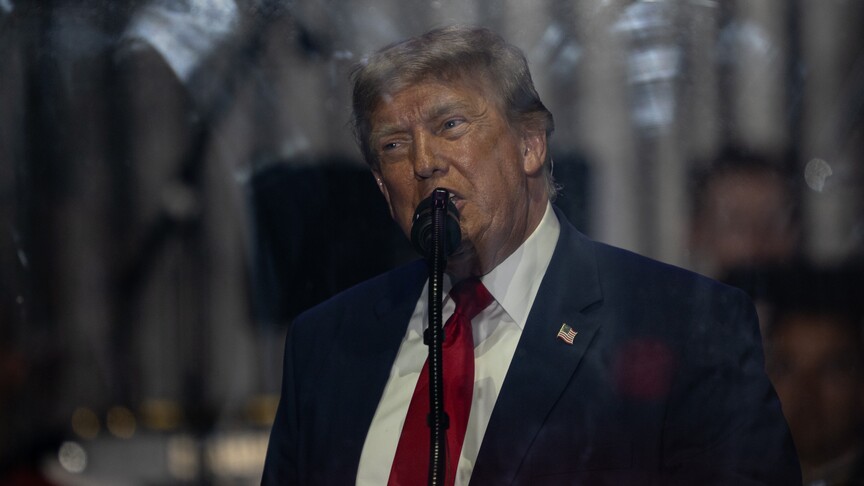
Former U.S. President Donald Trump ended his final weekend campaign push on 2 November 2026 with rallies in Dubuque, Iowa, and Salina, Kansas, calling on Republican voters to turn out for the midterm elections that will decide control of both houses of Congress.
In Dubuque, Trump addressed a crowd of a few thousand supporters, emphasizing that a Republican House and Senate would allow the party to pursue “strict immigration restrictions, voter identification requirements, and a ban on sanctuary cities.” He also called for the death penalty for large‑scale drug traffickers, human traffickers, and anyone convicted of killing a law‑enforcement officer. The revolt echoed his promise of a “golden age” for America if the GOP retained control.
"The golden age of America is upon us, but you must go out and vote," Trump said.
During the same speech, Trump urged voters to back Republican Senate candidate Roger Marshall, who is seeking reelection, and gubernatorial challenger Ty Masterson. He repeatedly urged the crowd to “wine, win, win,” stressing that a November 3 vote would “make the next two years bigger and better and stronger than ever before.”
Shortly after the Iowa stop, Secretary of State Marco Rubio made a brief appearance at the Kansas rally. He praised Trump’s national‑security record and noted that the current administration had made the nation “safer” and weakened its enemies.
"The most important job every president does is keep you and your family safe, and no president in my lifetime has done that better than the one we have right now," Rubio said.
In Salina, Trump continued his message that Republican dominance would allow the party to impose tighter immigration rules and enforce proof‑of‑citizenship requirements. He reiterated his call for the death penalty for drug dealers and a showdown with law‑enforcement officers who had been killed. “If you elect a Republican House and Republican Senate on November 3rd, we will continue to put America first every single day,” Trump told supporters in Salina.
Campaign Reach Beyond the Midwest
Both the British Broadcasting Corporation and Al‑Jazeera reported that Trump’s final weekend campaign push also included rallies in Florida, with additional tele‑rallies for Republican candidates in other states. The national coverage noted that the President emphasized the importance of Republican primaries and the overall urgency of the midterm elections to determine congressional control.According to the Anadolu Agency, the 2 November rallies took place amid a tight race for all 435 House seats and 35 Senate seats, each of which could shift the balance of power in Washington. The rallies were a last‑minute attempt by the GOP to galvanize its base, with Trump underscoring the need for voters to “go out and vote” and secure what he calls an “American first” future.
As the midterm elections loom, the rallies' timing suggests that Trump is using his final weekend push as a rallying cry for Republican voters. The stated platform—tightening immigration, enforcing voter ID laws, and supporting the death penalty for drug and trafficking crimes—reflects the party’s conservative agenda in the upcoming election cycle.
The events were covered by a broad array of news agencies—including Anadolu, BBC, Al‑Jazeera, and NBC News—demonstrating the national significance of Trump’s final rally attempts before the pivotal 3 November vote.
