In brief
In Wellington, authorities reported that the enrolment rate for New Zealand’s 2026 election is 93.6%, lower than the 94.7% recorded in 2023. While youth and Māori enrolment climbed, early voting rises hint at heightened engagement.
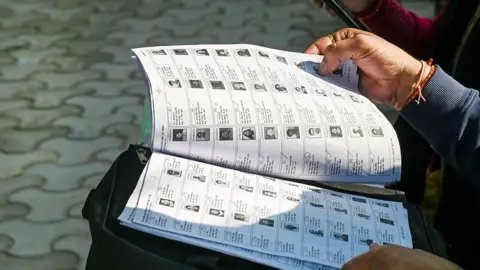
In Wellington, the Electoral Commission reported that the provisional enrolment rate for New Zealand’s 2026 general election sits at 93.6%, a drop from 94.7% in 2023 and 94.1% in 2020, according to the Chinese state media outlet Xinhua. A total of 3,790,946 people have enrolled, an increase in absolute numbers but still a percentage dip overall.
Chief Electoral Officer Karl Le Quesne noted that the low rate reflects a heightened awareness of the new requirement to enrol before voting, and that the commission will review its outreach efforts after the election. He said the figures will be reported back to Parliament, where the commission will recommend further measures.
The data show that enrolment among 18‑year‑to‑24‑year‑olds has surged to a provisional rate of 74.2%, up from 53.9% at the end of July and comparable to the 76.7% seen in 2023. Enrolment also rose among voters of Māori descent, with 603,968 Māori voters registered at an 85.9% rate, up from 567,012 in 2023.
Early voting has been stronger than the previous cycle, with 309,876 people casting advance votes in the first three days of the polling period, compared with 235,515 in the same window in 2023. The commission anticipates that over 2,300 polling stations will operate nationwide on election day, with results scheduled for release on November 27.
New Zealand citizens or permanent residents aged 18 and older who have lived in the country continuously for at least 12 months at some point in their lives are eligible to vote, the commission confirmed in its statement.
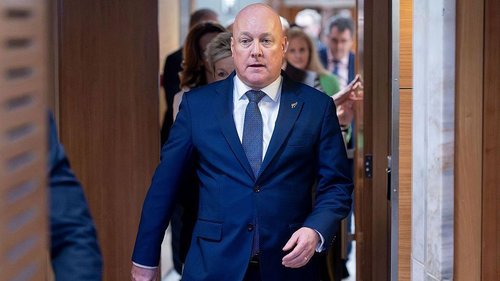
The political context remains tense, with centre‑right National Party Prime Minister Christopher Luxon seeking a second term while the former prime minister Chris Hipkins leads the Labour Party in a comeback bid amid concerns over the cost of living, economic growth, jobs and public services.
Electoral law expert
“There is no reason not to believe a law change is responsible for the voter enrolment rate slipping below 2023 levels.”