In brief
Donald Trump envisions a return to high tariffs if re-elected, intending to reshape the U.S. economy and global trade dynamics.
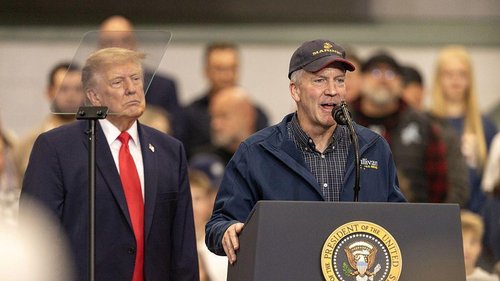
Former President Donald J. Trump, during a recent rally in Latrobe, Pennsylvania, expressed his unwavering admiration for tariffs, calling them “the most beautiful word in the dictionary.” His stance indicates a potential shift towards a more aggressive trade policy should he return to the presidency, one that hearkens back to a pre-globalization era characterized by heavy protectionist measures.Throughout his initial term, Trump employed tariffs as a blunt instrument against both allies and adversaries, advocating for the rebirth of American manufacturing and a departure from longstanding global trade practices. He elaborated on his vision during the rally, reiterating that tariffs could bring about significant economic changes, including wealth generation, tax relief, and more accessible childcare options. Central to his strategy is the notion of rolling back globalization by incentivizing American manufacturing through punitive tariffs.Trump’s proposed tariffs would greatly impact international trade, as he intends to impose steep fees on imports from virtually every country—most notably, China. This could affect over $3 trillion worth of U.S. goods, fostering a climate of economic isolationism aimed at restructuring supply chains and reducing reliance on foreign products. Analysts warn that such an approach could destabilize the international economic framework, sparking significant contention among global trading partners.With the presidential race heating up, the implications of Trump’s trade vision resonate far beyond American borders, potentially altering the landscape of global commerce and the interconnected economies that define it.