In brief
Berlin’s Housing Senator Christian Gaebler has announced plans to tear down the remaining Nazi bunker beneath the ruined New Reich Chancellery, intending to replace it with flats and offices. The move has ignited backlash from historians and preservation groups who see the bunker as a vital reminder of Germany’s wartime past. Dietmar Arnold of the Berlin Underworlds Association argues that demolition would be “absolute madness” and proposes converting the site into a memorial museum. The Berlin State Monuments Council has criticised the demolition plans, highlighting the bunker’s historical significance and advocating for its conservation. The controversy underscores Germany’s ongoing struggle to reconcile urban development with respect for its complex legacy.
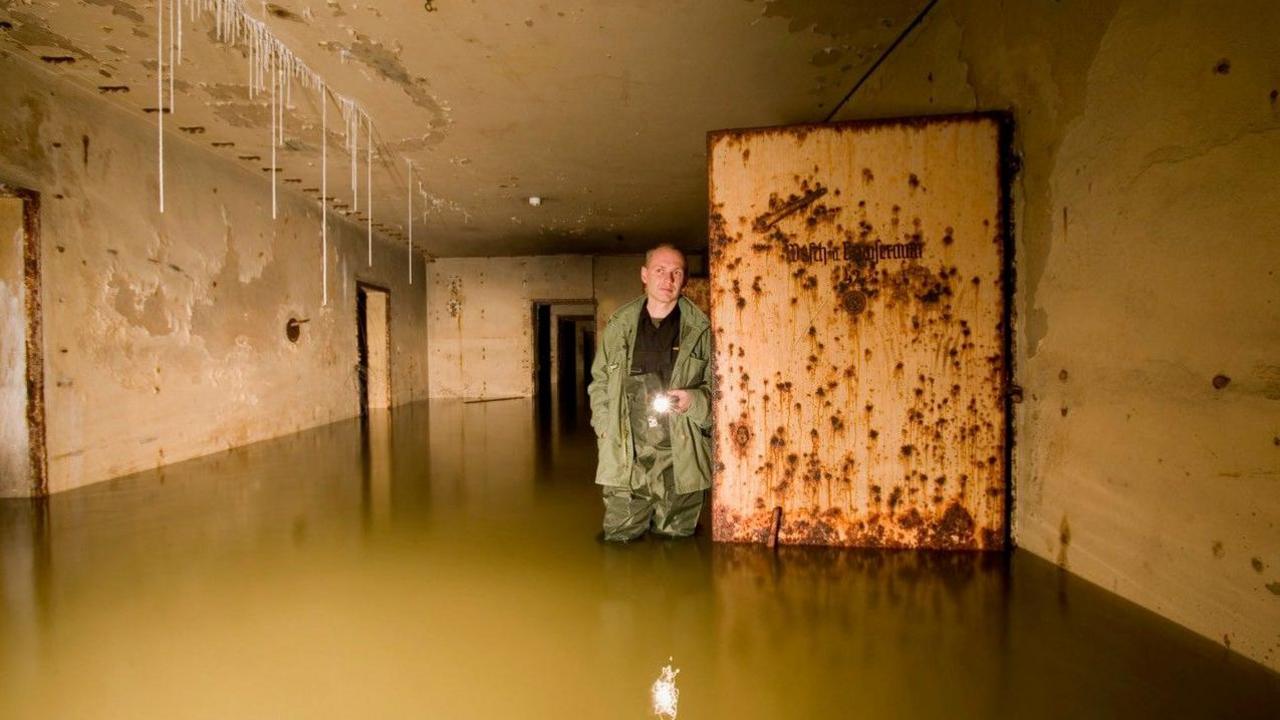
Almost nothing remains of Adolf Hitler’s New Reich Chancellery. Yet, the underground bunker beneath the ruined façade still stands—raw, weathered, and contested.
Berlin’s Housing Senator Christian Gaebler (SPD) is calling for the bunker’s demolition to make way for new flats and offices. “We aren’t standing in the way of new housing developments just to preserve a bunker that might then even become a place of pilgrimage,” he told the BZ newspaper.
Opponents warn that tearing down a key Nazi-site would be an affront to history. Dietmar Arnold, chairman of the Berlin Underworlds Association, called the proposal “absolute madness.”
Arnold stresses that the bunker was the planning centre for World War Two and the last physical remnant of Hitler’s power base. He wants to work with the Holocaust Museum to transform the site into a museum and memorial, with an exhibit chronicling the war’s end.
The bunker was built by Hitler’s favourite architect Albert Speer but was partly destroyed in 1945 and demolished by Soviet forces in 1949. Today, 1,200 square metres of the structure remain intact, with walls and ceilings 1.7 metres thick.
Arnold believes that new construction could be built atop the bunker without full demolition, preserving the underground cavity for future use.
Berlin State Monuments Council weighed in last year, expressing concern over the demolition plans and noting the bunker’s “significant historical value.” They urged the State Office for the Preservation of Historical Monuments to reassess the structure’s potential significance, given its symbolic role as the planning centre of the Nazi war effort and its connection to the war’s catastrophic conclusion.