In brief
A town council in Heidenau, near Dresden, voted to prohibit the placement of Stolpersteine—small brass plaques commemorating Holocaust victims—sparking widespread criticism. Germany’s Education Minister Karin Prien denounced the move as a "scandal" and accused the local CDU and AfD parties of erasing history. Advocates for memory, including Holocaust survivor Charlotte Knobloch, argued that removing these devices from everyday streets reduces visibility of Jewish suffering. The decision reflects a broader trend of right‑wing groups seeking to alter collective remembrance of Nazi atrocities.
The town council of Heidenau in Saxony voted to ban the installation of Stolpersteine, a decision that has already triggered strong reactions across Germany.
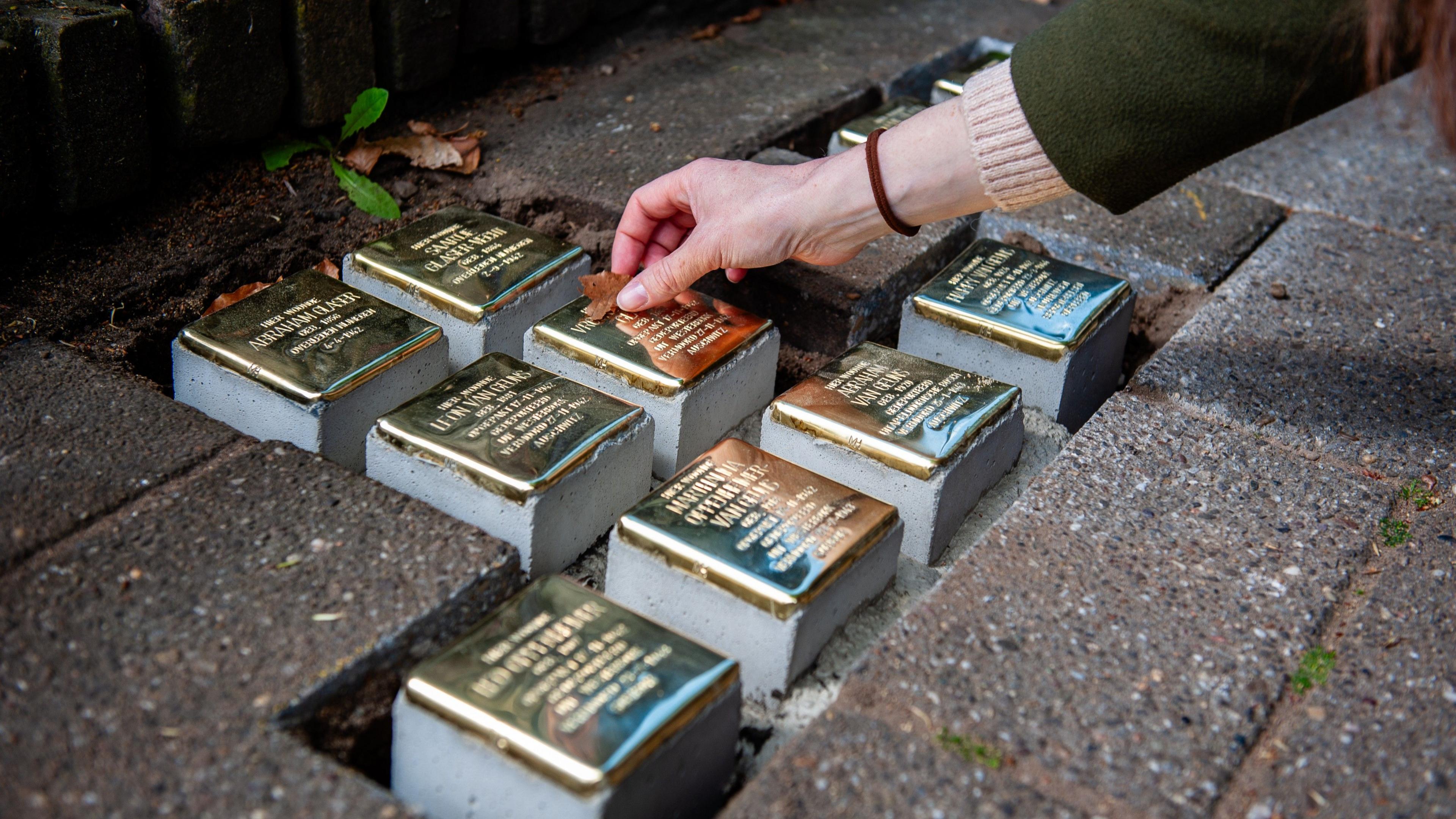
Stolpersteine («stumbling stones» in German) are tiny brass plaques set into the street at the former homes of Holocaust victims, cast as a reminder that history is not far away. Since the 1990s, the project has spread across Europe, with communities funding some 70,000 stones.
The motion passed in Heidenau was supported by councillors of the Alternative für Deutschland (AfD) and the Christian Democratic Union (CDU). It argued that the stones were an awkward form of public commemoration and proposed to relocate all memorials to the Nordfriedhof cemetery to prevent people from stepping directly onto the plaques.
Germany’s Education Minister, Karin Prien, immediately called the ban a "scandal" in an interview with the newspaper Bild, stressing that removing history from everyday life equates to erasing it. Prien, a CDU member, later clarified that the party in Saxony shared responsibility for the decision.
Charlotte Knobloch, a Holocaust survivor and president of the Jewish Community in Munich, condemned the removal as "completely wrong". She highlighted that decentrialised remembrance—visible in the streets rather than confined to cemeteries—keeps history alive and shapes public consciousness.
The AfD in Saxony is classified as a far‑right party by German intelligence, a designation the party disputes. Its recent electoral successes in eastern states have emboldened it to push for changes to remembrance practices, a trend that has alarmed many historians and civic groups.
In Munich, where Knobloch lives, no Stolpersteine appear on municipal land, but the city allows memorial plaques on public buildings. The debate in Heidenau therefore reflects a national conversation about where and how to remember the victims of Nazism.
While local officials claim they aim to respect community sentiment, critics argue that the ban shifts the narrative from public memory to a ritualized cemetery memorial, effectively diluting the historic presence of Holocaust remembrance in everyday life.