In brief
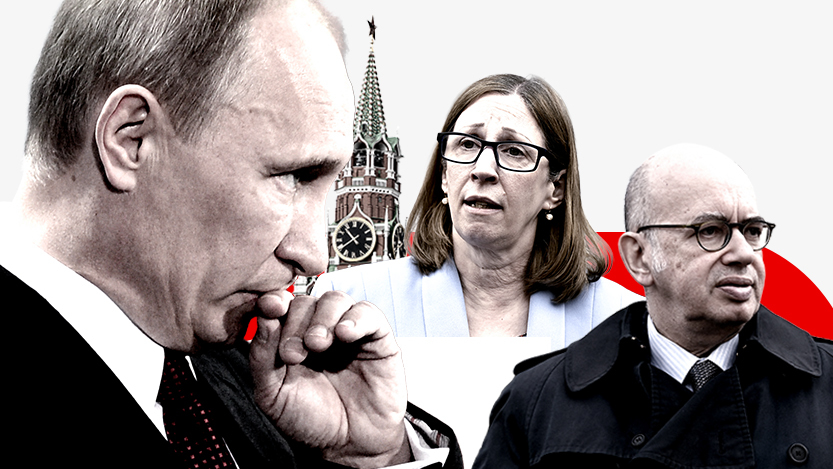
Western diplomats stationed in Moscow describe a climate of constant surveillance and isolation, echoing the Cold War era but at a higher intensity. Ex-ambassadors such as Lynne Tracy and Pierre Lévy recount daily security measures, restricted access, and a pervasive sense of paranoia. The pressure from Moscow’s intelligence services has strained diplomatic relations and pushed many officials to resign. Despite these challenges, the diplomats emphasize the vital role of maintaining person-to-person ties to facilitate future governmental outreach.
Western ambassadors in Moscow say they face a level of scrutiny that feels both familiar and terrifying. The days to bridge Europe and Russia, once laden with dialogue, are now punctuated by constant observation and tight control.
According to former U.S. ambassador Lynne Tracy, who served in Moscow from 2023 to 2025, the role has become “the hardest assignment of my career.” In interviews, she outlines how her office was monitored, how staff were directed to avoid carrying personal devices, and how conversations were suspect of turning into disinformation arenas.
The feeling of isolation parallels Cold War rhetoric. Diplomats recall how Western embassies were once spied upon via hidden listening devices, a tradition that Moscow now believes has intensified. Russian counterintelligence reportedly watches over diplomatic premises, ensuring that the messages exchanged remain transparent to the Kremlin’s gaze.
Beyond physical surveillance, the environment breeds paranoia. A frequent warning to potential diplomatic guests is that the proximity to the embassy carries risk. A former ambassador noted that Russian officials often “tail” visitors right up to the embassy gates. Some agree to invitations in fear, while others opt out, refusing to expose themselves to harassment or monitoring.
The internal division in Moscow complicates matters further. The ban on hiring foreign nationals from 2021 has left U.S. embassy facilities short of essential staff. Minor issues such as a leaking pipe now have disproportionate effects, leaving embassy teams exposed to routine legal and operational shocks. Financial restrictions mean that diplomatic missions rely on personal cash or donors to cover everyday expenses, a far cry from the smooth operations of the pre‑war era.
Nonetheless, diplomats emphasize the significance of sustaining personal contacts. They argue that maintaining conversations with ordinary Russians is crucial for shaping future government-to-government interactions. An ambassador who left Moscow in 2025 said she was proud of her team’s effort to preserve a line of communication, hoping it will accelerate diplomatic healing once relations open again.