In brief
In late August, US forces launched a precision strike on two Iranian rocket launchers on Larak Island, killing two and injuring two. Iran responded by firing missiles at U.S. bases in Jordan and threatening shipping in the Strait of Hormuz. The exchange has reignited sharp military posturing amid an existing naval blockade and rising sanctions on Iran. Key waterways that carry a significant share of global oil are now at risk, while diplomatic bodies urge restraint.
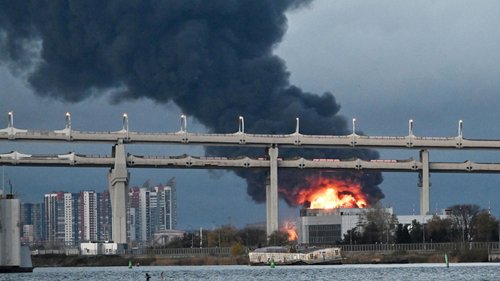
US forces fired missiles at Iranian rocket launchers on Larak Island in the Strait of Hormuz, killing two and wounding two.
The strike, the first known U.S. attack on Iran since late July, was described by Central Command as a “limited, precise action” after Iran threatened to deploy sea mines and launch rockets into the vital shipping lane.
Iran’s Islamic Revolutionary Guard Corps vowed retaliation, claiming it had hit U.S. bases in Jordan with ballistic missiles and threatened Bandar Abbas with extra checks, demanding vessels cross for a fee of about two million dollars.
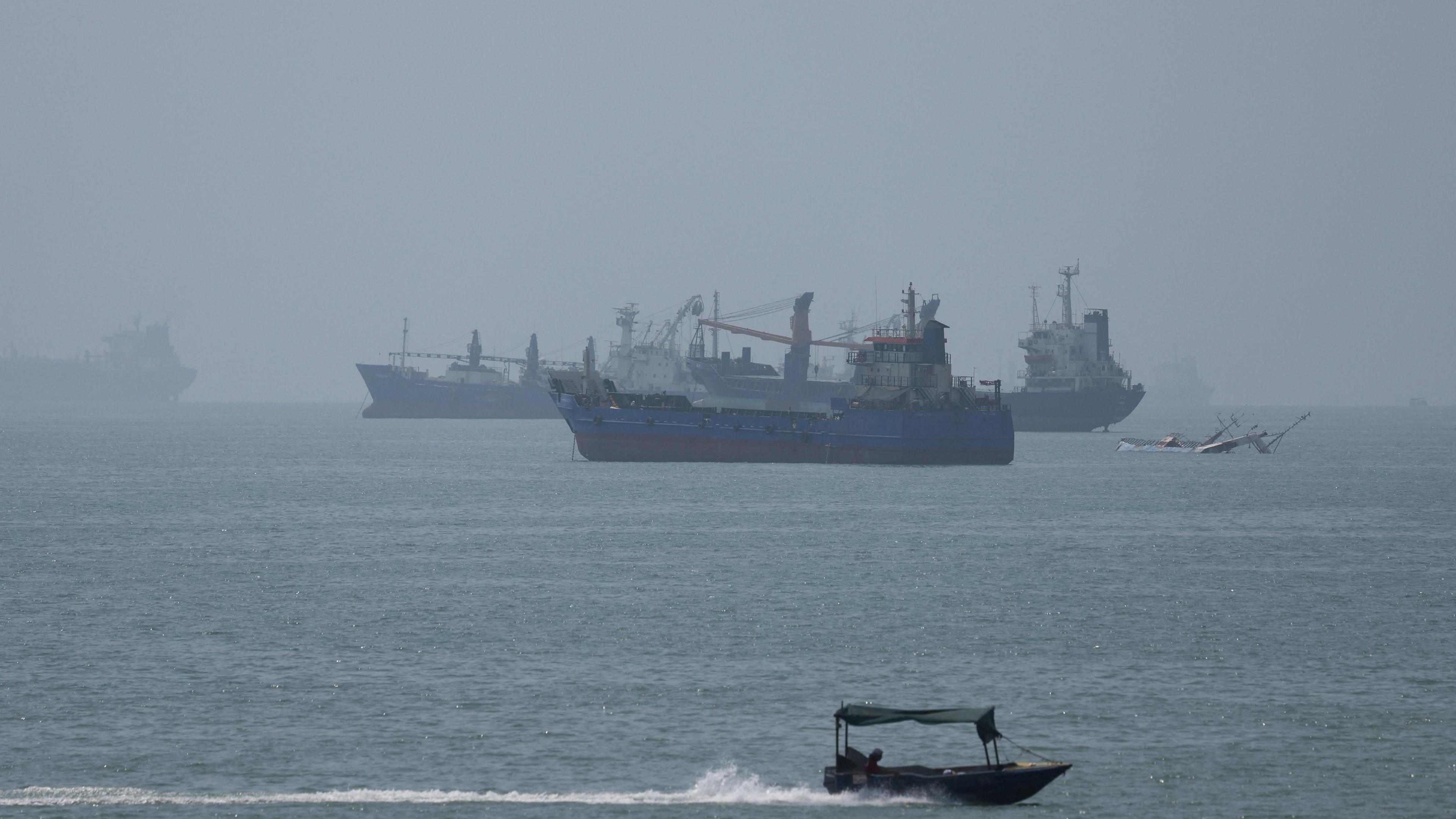
The Gulf’s most critical waterway—responsible for about 20 percent of global oil and liquefied natural gas—now faces renewed risks of blockage amid the Persian Gulf blockade and the U.S. naval restrictions that have already disabled several Iranian vessels.
Iran’s foreign ministry said it had “legally” defended the attack, and President Masoud Pezeshkian warned that while the country seeks to avoid war, it would deliver a decisive response to aggressors.
U.S. President Trump castigated aggression on Larak “with AI videos” on Truth Social, hinting at possible attempts to seize Iranian oil infrastructure. The exchange underscores heightened tensions as both nations vie for control of the region’s oil pulse and the fate of global commodity markets.