US States Challenge Trump’s Tariffs as Global Trade Tensions Rise
25 US states have filed a lawsuit against the Trump administration over new tariffs targeting 60 trading partners, claiming the measures are unlawful and harm domestic families.
The tariffs, ranging from 10% to 12.5%, came into effect in July and were imposed under Section 301 of the 1974 US Trade Act. They target major trading partners such as the United Kingdom, China, Japan, Brazil and the European Union, ostensibly to address alleged forced‑labour practices abroad.
State officials argue the decision is “arbitrary, capricious, and contrary to law” and that it broadens beyond the public‑interest scope of the statute. They claim Trump’s use of forced labour as a pretext to broaden an illegal tariff scheme undermines American workers’ livelihoods.
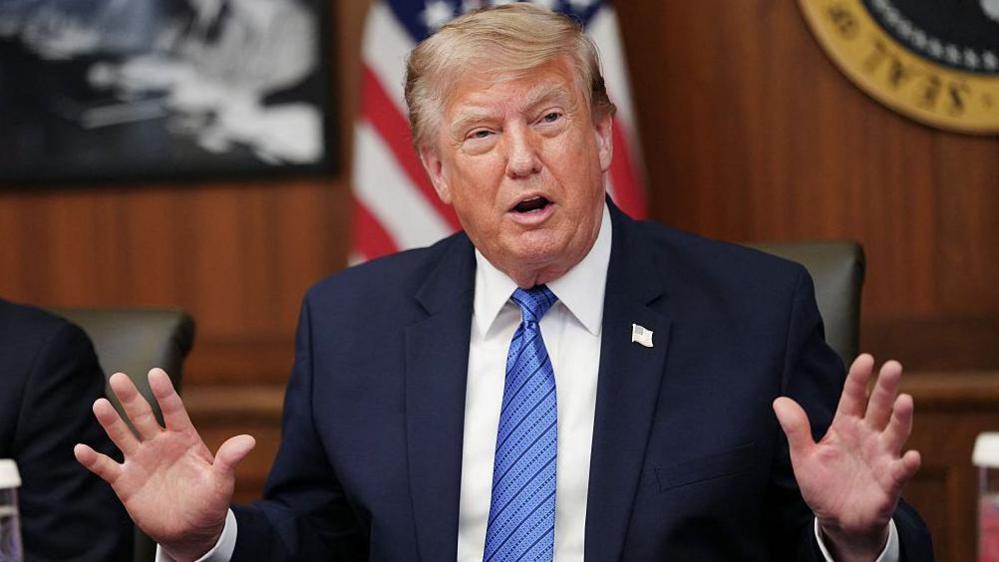
White House spokesman Kush Desai countered that the U.S. is acting within its lawful authority to tackle forced‑labour importation, describing such practices as “unreasonable” and needing confrontation.
The tariffs cover 99.4% of US imports, according to the Office of the US Trade Representative. Critics say the broad range of duties contradicts the USTR’s own stated aims and mocks the statute used to justify them.
Political figures have voiced strong opposition. New York Governor Kathy Hochul called the tariffs “illegal” and a “tax on hardworking families.” Oregon Attorney General Dan Rayfield warned that the charges target “homegrown businesses” and that its impact is felt by American consumers.
International reactions have been mixed. Brazil and Japan’s governments called the measures unjustified, while China’s foreign ministry likened them to political manipulation. Some analysts question how affected countries can prove they have addressed forced‑labour claims.
Legal and Trade Context
This lawsuit marks another chapter in Trump’s trade‑policy agenda, which began with his return to office in January 2025. Many of the earlier imposed tariffs, such as the “Liberation Day” 10% levy on all global imports introduced in April 2025, were later struck down by the US Supreme Court.
The Supreme Court’s decision prompted tens of billions of dollars in refunds to companies that had paid the earlier tariffs. The court’s stance reinforces that the administration cannot ignore the law when imposing sweeping duties.
As the legal fight continues, the Trump administration may consider additional tariffs, especially as it investigates 16 countries over claims of manufacturing overcapacity. U.S. businesses and international partners watch closely as the dispute could reshape global trade dynamics.