US Congressman Detained by Armed Israeli Settlers
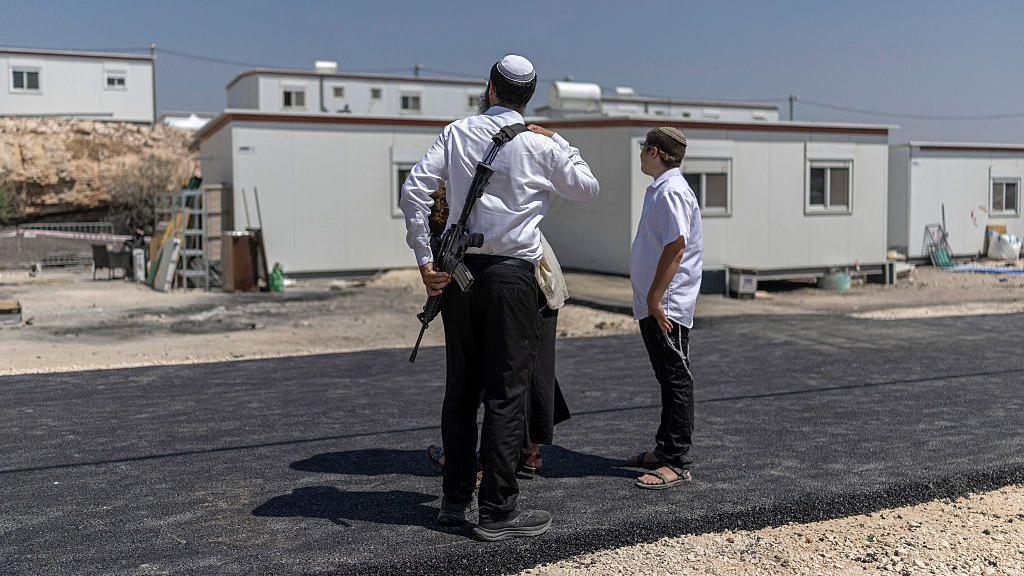
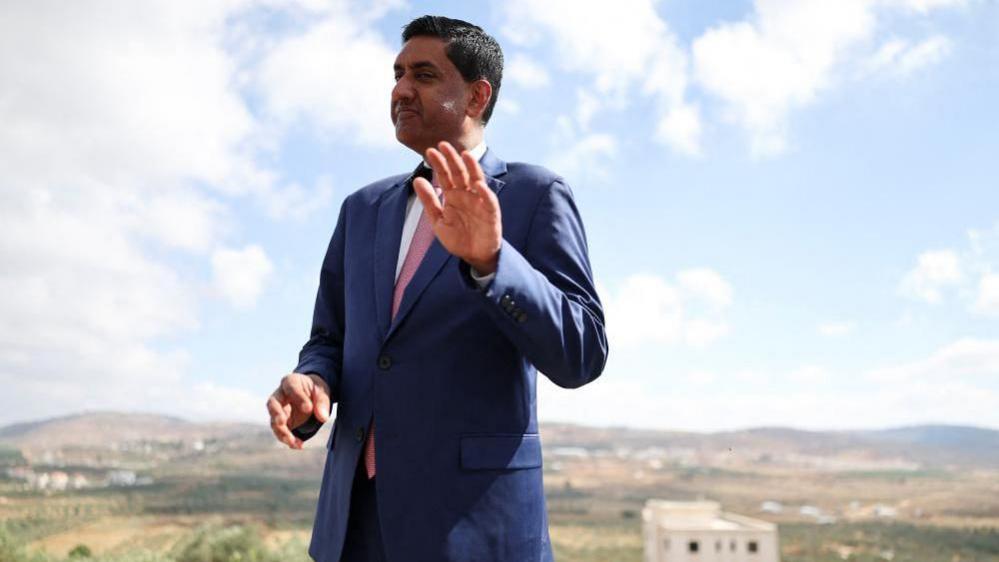
On Wednesday, 49‑year‑old Democratic congressman Ro Khanna was held for about ninety minutes by Israeli settlers who were armed with M4 rifles, while he was on a fact‑finding tour of the occupied West Bank. Khanna said his van was surrounded and that the Israeli Defense Forces (IDF) sided with the settlers and continued the detention before police ultimately released the American officials.
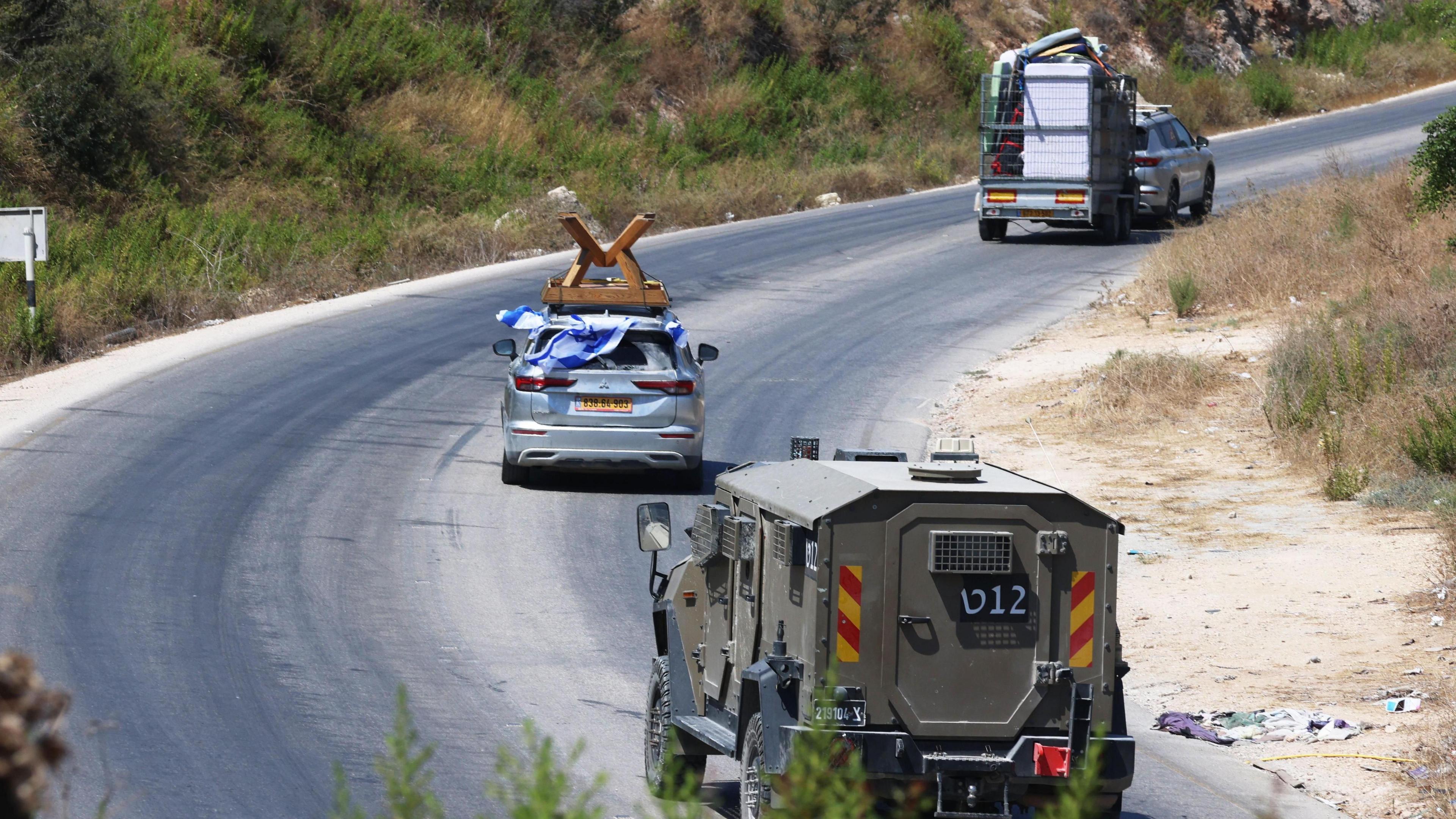
Khanna’s trip, conducted on behalf of the U.S. House Foreign Affairs Committee, focused on the ruins of Khirbet Zanuta. He noted that the village had been demolished by settlers, destroying a school and other infrastructure, and he expressed his concern over the use of militant force and the blocking of roads in that area.
“The settlers arrived with machine guns—M4s—American‑made rifles,” Khanna wrote on X. “They detained us, blocked the road, called the IDF, and the IDF stayed on their side.” He said a U.S. Embassy aide in Jerusalem was consulted, and police officers later intervened to secure his release.
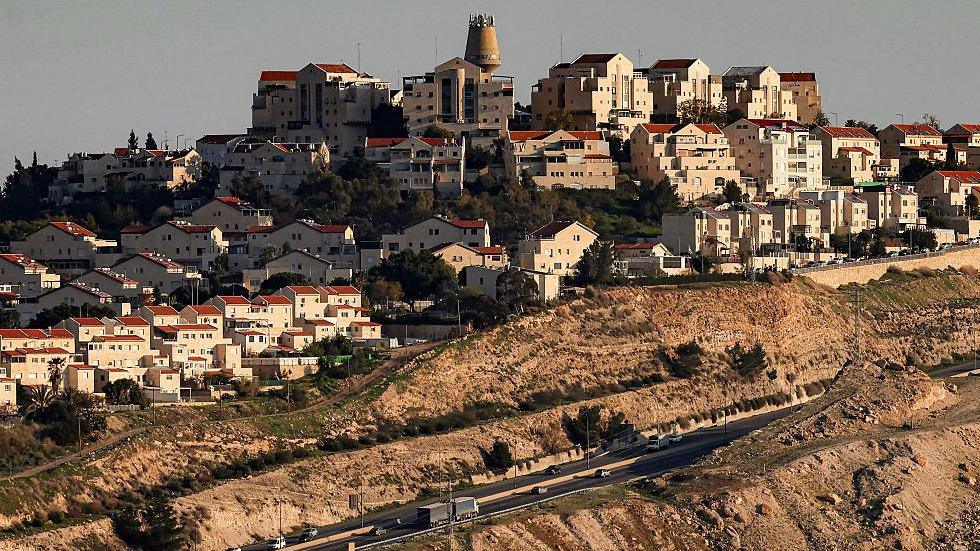
The IDF statement claimed that troops dispersed the civilians and allowed the road to clear, but the incident underscores the contentious nature of Israeli settlements, which the United Nations and most of the international community consider illegal under international law. Israel has built around 160 settlements housing roughly 700,000 Jews in the West Bank and East Jerusalem, an area that Palestinians claim for a future state. An estimated 3.3 million Palestinians live in proximity to these communities.
Khanna, a senator‑fast‑track in the eyes of many, is reportedly exploring a presidential run in 2028. His experience in the West Bank, coupled with the sides taken by Israeli military presence, may influence his broader foreign‑policy stance.
The event highlights an evolving diplomatic terrain where U.S. lawmakers confront practical security concerns while navigating the international legal framework that questions settlement activities in the occupied territories.