In brief
With the looming government shutdown affecting millions relying on the Supplemental Nutrition Assistance Program (SNAP), federal judges in Rhode Island and Massachusetts have ruled that the Trump administration must decide whether to continue funding the program. The USDA has warned that payments could freeze, leaving beneficiaries uncertain as the administration faces legal challenges from multiple states and organizations.
The Trump administration is facing tight deadlines imposed by federal judges in Rhode Island and Massachusetts regarding SNAP, the government’s largest food aid program. With funding under threat due to the ongoing government shutdown, the U.S. Department of Agriculture (USDA) has indicated plans to freeze the program's payments starting November 1. Approximately one in eight Americans rely on SNAP, underscoring the potential impact of halting the benefits.
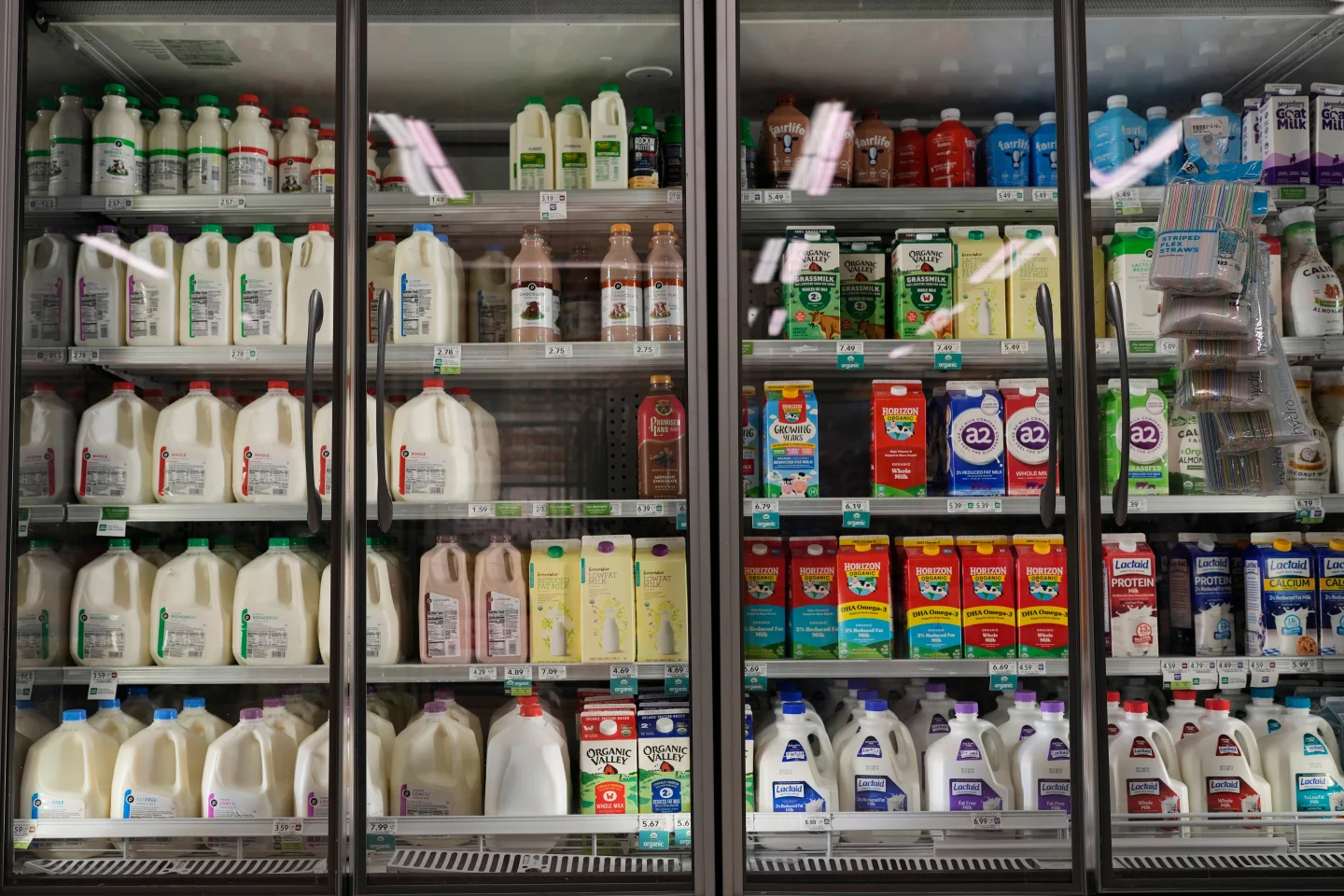
Experts estimate that cutting off SNAP benefits could compel many low-income families to choose between purchasing food and meeting other essential bills. The program, which operates at a monthly cost of around $8 billion nationally, often faces scrutiny during political stand-offs.
Citing legal obligations, attorneys general from 25 states, along with the District of Columbia, have pushed back against the administration’s plan to suspend benefits, claiming it would violate their rights to legal aid. Concurrently, various cities and nonprofit organizations have initiated lawsuits to intervene and sustain SNAP funding.
Despite having a $5 billion contingency fund available for SNAP, the Trump administration retracted earlier plans to utilize it, opting instead to explore other funding avenues which could help avoid the anticipated cutbacks. In a recent ruling, Judge John McConnell from Rhode Island mandated that at least a portion of funding for November must be secured through contingency funds, urging for a follow-up update from the administration.
In parallel, Judge Indira Talwani of Massachusetts classified the USDA’s suspension of SNAP as unlawful, requiring the federal government to clarify its funding intentions by Monday. As states scramble to arrange emergency funding for food banks, SNAP beneficiaries remain in a state of uncertainty, concerned about their ability to afford groceries throughout the month.