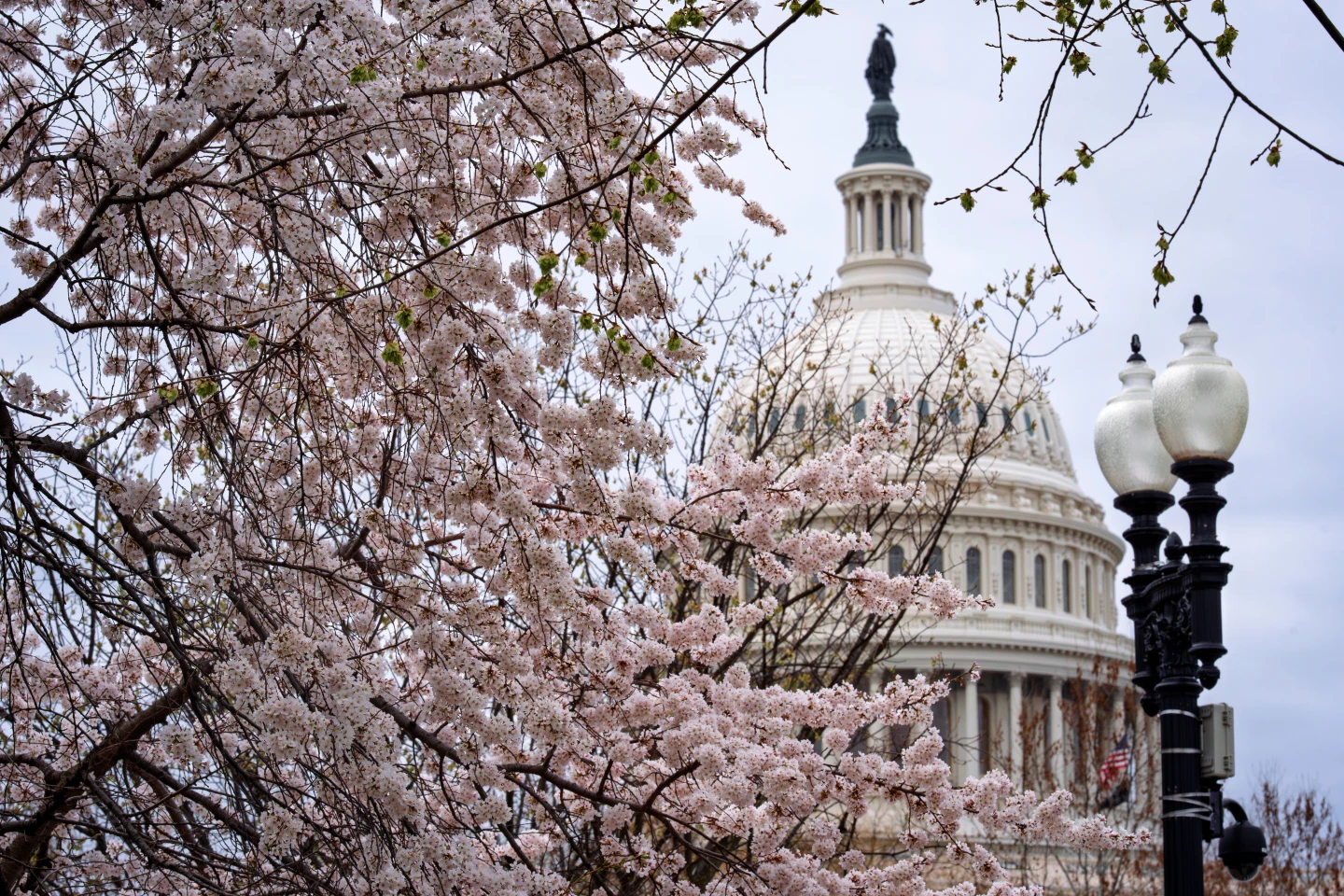
As the partial government shutdown unfolds, this time it appears distinct from past occurrences primarily due to the expectation of a shorter duration. The U.S. House is set to tackle funding legislation swiftly upon reconvening, a promising move which may bring an end to the current standoff. Already, half of the funding bills for this fiscal year have been passed, guaranteeing uninterrupted operation for critical entities like nutrition assistance programs.
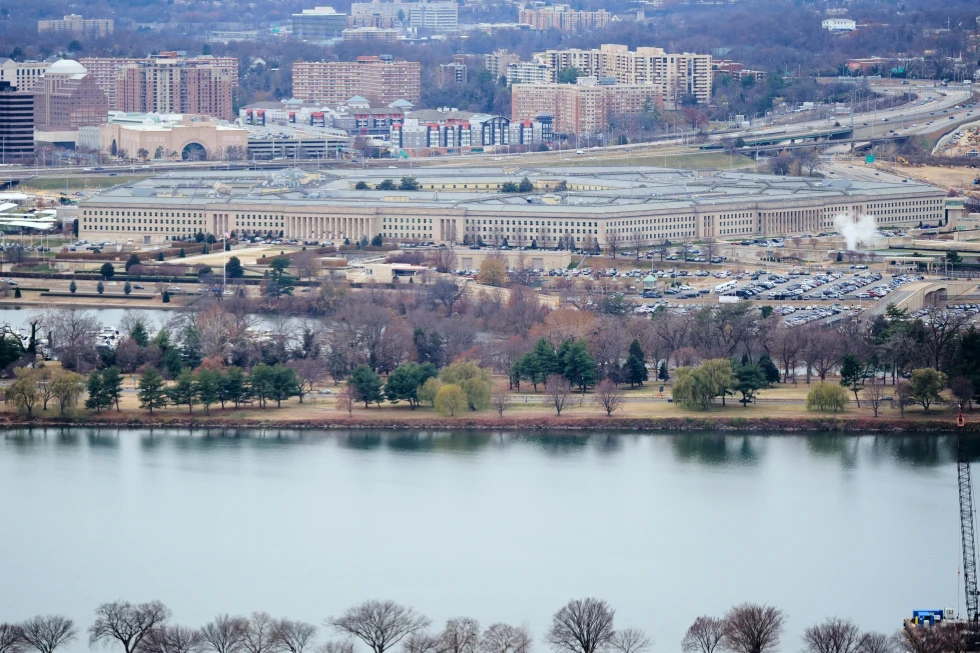
However, it is pivotal to note that funding for the Pentagon and departments such as Homeland Security and Transportation will face temporary lapses. Although essential functions will continue, if the shutdown persists, many employees could experience unpaid statuses or furloughs.
What Triggered the Shutdown?
The government funding process initially showed promise with bipartisan agreements in both chambers of Congress. However, the recent shooting deaths of civilians by federal agents sparked outrage among Democrats, who insisted that reforms regarding immigration enforcement be integrated into the funding bill for the Department of Homeland Security and its associated agencies.
To stave off the adverse effects of another extended shutdown, the White House and Democrats brokered a temporary funding agreement, which maintains current allocations for the DHS for a short period as negotiations unfold. The Senate has successfully passed this multibill funding package, yet the House must reconvene to finalize it.
Impacts of Previous Shutdowns
History has shown that brief or weekend shutdowns often had minimal visible impact on governmental services. In past administrations, including during President Trump's tenure, brief shutdowns led to minimal disruption while allowing a swift return to regular operations.
The current situation, however, introduces uncertainties regarding federal operations, particularly those concerning essential services such as the Federal Emergency Management Agency (FEMA), which, experts suggest, could continue necessary disaster response operations due to existing funds. Yet, ongoing capacities are strained, especially as FEMA's disaster fund could face challenges if new emergencies arise.
Unlike previous shutdowns, critical food assistance programs, such as the Supplemental Nutrition Assistance Program (SNAP), are expected to remain unaffected, ensuring vital support for millions of Americans in need. This guarantees continuity for essential services integral to many households relying on federal assistance.
In summary, while the situation remains fluid and complicated by various factors—including public safety and negotiations among lawmakers—there is hope that rapid resolutions may emerge to mitigate the impacts of the government shutdown on critical services and federal employees.