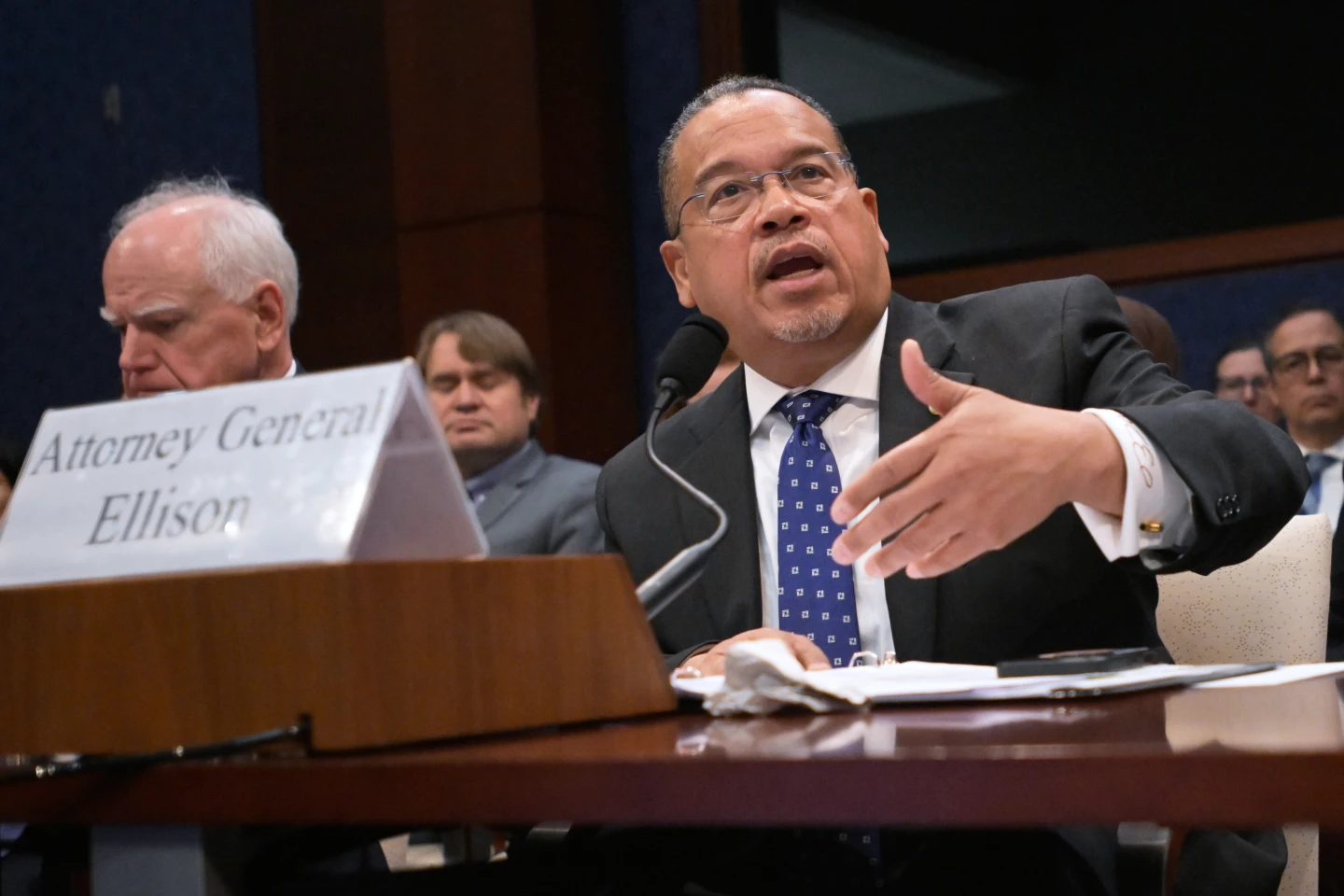
A federal judge on Saturday denied a state government request to block the Trump administration's deployment of thousands of federal immigration agents in Minneapolis, Minnesota. District Court Judge Katherine Menendez acknowledged that the immigration enforcement operation has had, and is likely to continue to have, profound consequences on the State of Minnesota.
However, she stated that state officials had failed to prove the surge of U.S. Immigration and Customs Enforcement (ICE) agents was unlawful. This ruling arrives amidst significant nationwide protests triggered by the fatal shootings of two U.S. citizens by federal agents.
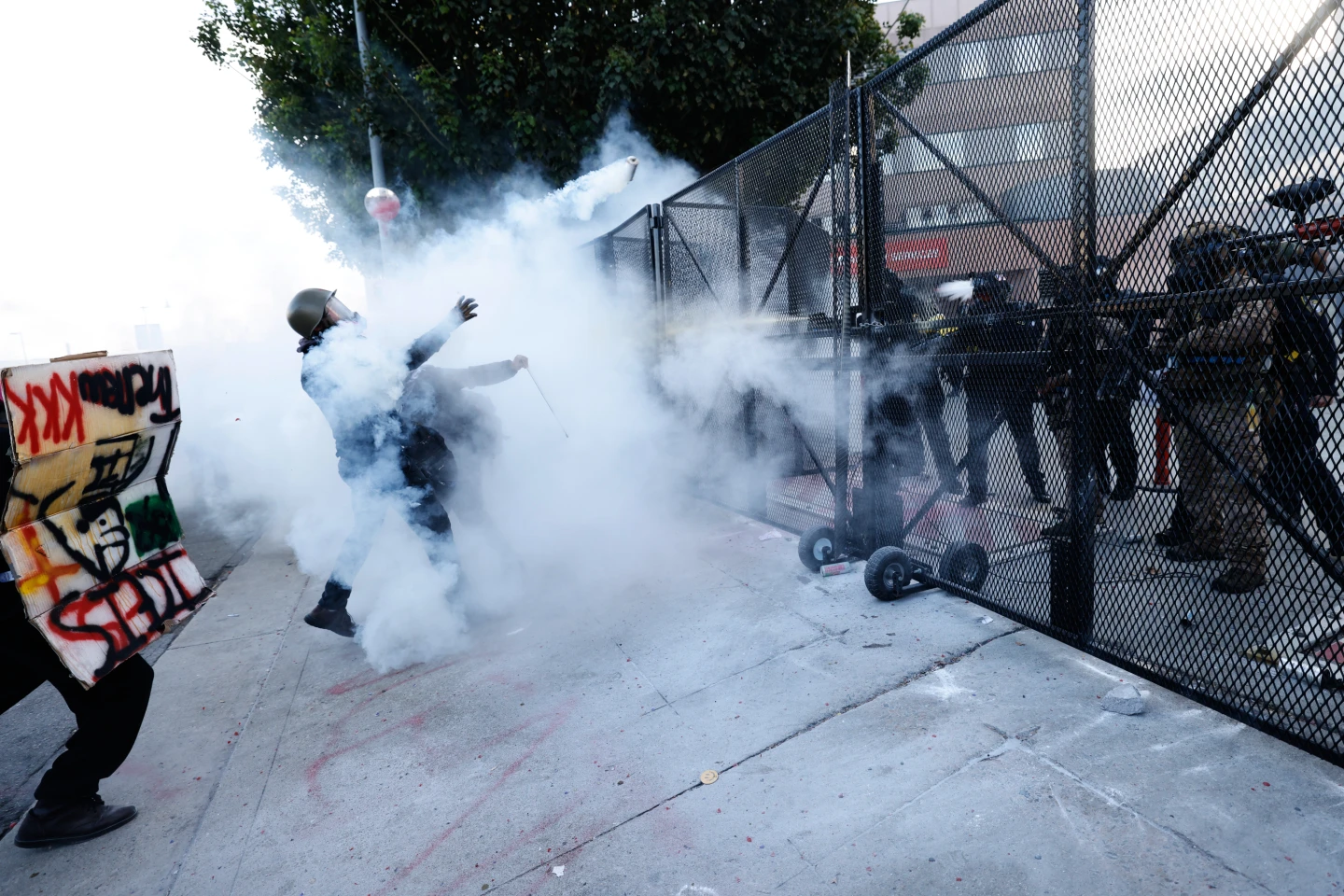
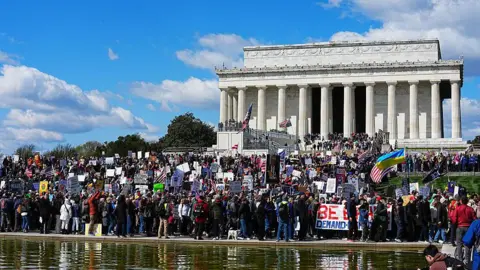
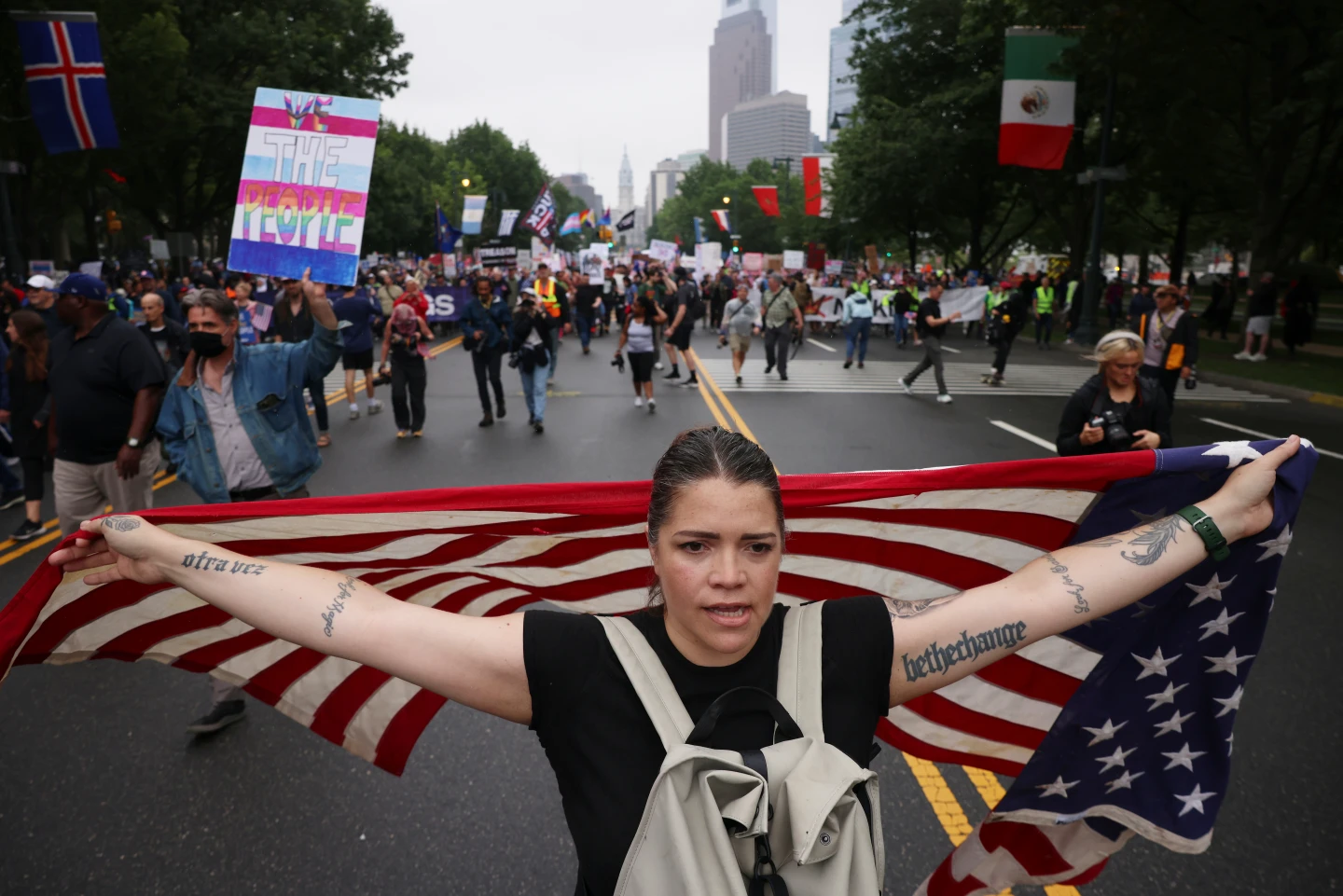
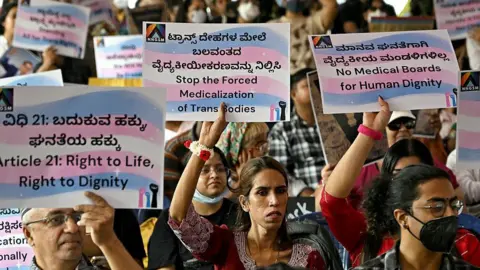
Demonstrators are expected to gather on Saturday afternoon in Minneapolis, following protests in cities like New York, Los Angeles, Chicago, and Washington D.C. Organisers have encouraged Americans to refrain from work and school as part of an initiative labeled the National Shutdown.
The public outcry centers around the deaths of Renee Good and Alex Pretti, both killed under contentious circumstances involving federal immigration officials. The U.S. Justice Department has initiated a civil rights investigation regarding Pretti's death, which was the second such incident since ICE began its operations in the area.
Judge Menendez's ruling indicates concerns about ICE's conduct, citing evidence of racial profiling and excessive use of force, though she maintained that the state did not provide metrics to quantify when lawful law enforcement may become unlawful overreach. Following the protests, activists have expressed a collective demand to end ICE operations in Minnesota, leading to widespread demonstrations and calls to action.
In a display of solidarity, singer Bruce Springsteen performed a song in honor of the victims, further highlighting the emotional weight of the current situation. The ongoing actions reflect a critical moment in the discourse surrounding immigration enforcement and civil rights in America.