The monstrous crimes of Ratko Mladić, the “Butcher of Bosnia”
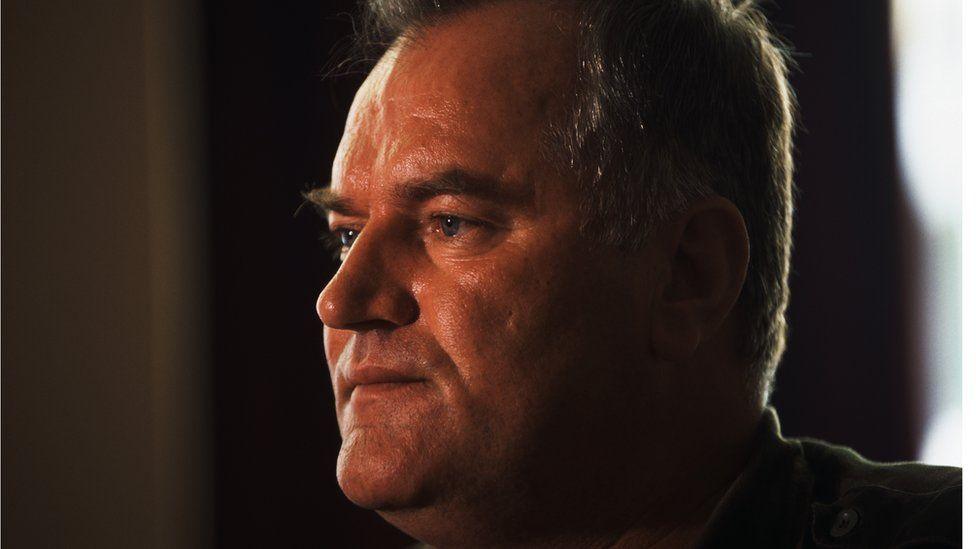
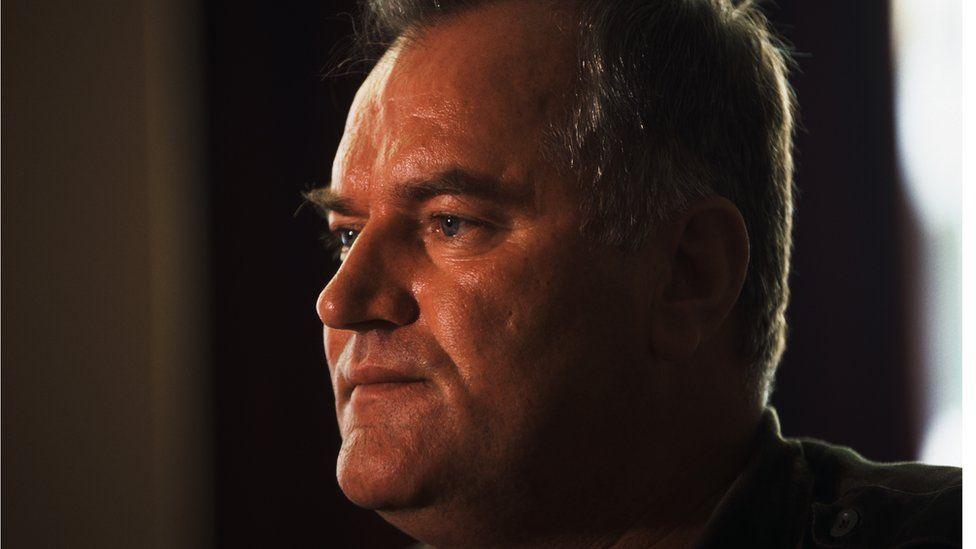
Ratko Mladić, who died at 84, was the bull‑necked commander of the Bosnian Serb army who oversaw one of Europe’s worst ethnic cleansing campaigns during the 1990s. He believed in a Greater Serbian destiny and fought to “impale” Bosnian Muslim neighbours, burning them alive, crucifying them and gouging out their eyes – rhetoric that painted the war as a holy mission.
Under his leadership, the town of Sarajevo was besieged for 1,425 days, its citizens continually bombed by shells and snipers. In 1995 the UN‑declared safe area of Srebrenica was overrun and 8,000 Bosniak men and boys were marched to unmarked graves and shot in what became the most heinous genocide on the continent since the Second World War.
After the war Mladić lived openly in Belgrade, protected by President Slobodan Milošević, hunting deer and dining in swanky restaurants while receiving heroic status from many Serbs. He evaded capture for years, moving from safe house to safe house while the international community wrestled with his fate.
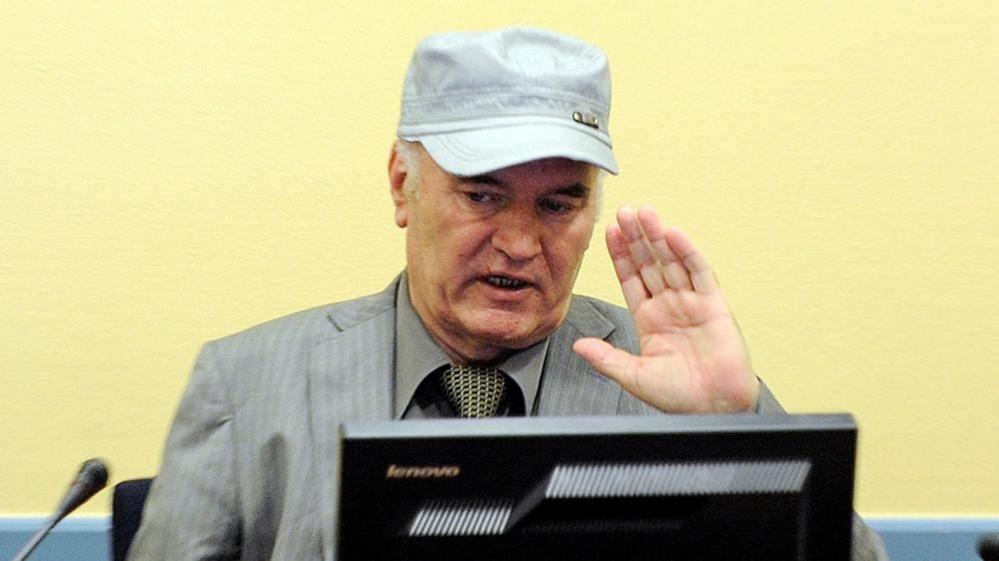
In July 2008 he was finally arrested in a remote farmhouse in Serbia. Over a four‑year trial at the International Criminal Tribunal for the former Yugoslavia the court reviewed nearly ten thousand pieces of evidence and heard nearly 600 witnesses. Mladić was found guilty of genocide, crimes against humanity, and violations of the laws of war, and was sentenced to life imprisonment.
Despite the conviction, the legacy remains polarised. Many Serbs still view him as a hero, while Bosniaks and the international community remember him as a brutal war criminal. Tensions between Muslims and Serbs continue to simmer in Bosnia, a reminder that the violence wrought by Mladić and his ally Radovan Karadžić still haunts the region.