In brief
The Tennessee Valley Authority (TVA), which serves around 10 million people across seven states, has announced it might delay the closure of its Kingston and Cumberland coal-fired power plants originally slated to shut down by 2035. The agency's revised plan comes as electricity demand surges and follows recent regulatory changes. Critics warn this decision raises concerns about environmental accountability and public health impacts, as TVA has previously committed to reducing emissions significantly by 2035 with a focus on clean energy alternatives.
NASHVILLE, Tenn. (AP) — The Tennessee Valley Authority (TVA), the largest public utility in the United States, has shifted its stance regarding the planned closure of two coal-fired plants, Kingston and Cumberland, signaling a potential delay in their shutdowns. This change comes in anticipation of a board meeting largely influenced by Trump administration nominees.
The TVA, responsible for supplying power to nearly 10 million residents across seven states, had initially aimed to retire all its remaining coal plants by 2035 to address climate change concerns. However, with a growing demand for electricity and evolving regulatory conditions, TVA is reconsidering how it will maintain its fleet of power generation facilities.
Spokesperson Scott Brooks commented on the shift, stating, 'As power demand grows, TVA is exploring all available options to ensure continued delivery of affordable and reliable electricity to our customers alongside job creation and community development.'
Despite the TVA’s intentions, numerous clean energy advocates expressed alarm over the decision to extend the lifespans of the coal plants, arguing it contradicts prior commitments to phasing out pollution-heavy facilities. Gabi Lichtenstein from Appalachian Voices chimed in, labeling this decision as a failure to heed the demands for cleaner energy alternatives.
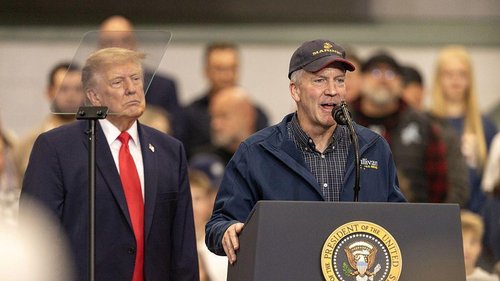
This decision is framed against the backdrop of the TVA board's recent reconstitution, which saw members appointed during Trump's presidency advocating for coal. President Trump’s actions included firing board members to ensure a compliant quorum, subsequently bolstering initiatives aimed at sustaining coal operations.
In light of accelerated energy needs due to increasing tech demands from sectors like data centers, TVA's revised proposal for coal plants suggests a new operational direction while continuing to deploy some natural gas-powered generation. The utility had projected that electricity demands from AI-driven data centers could represent 18% of industrial load by 2025, necessitating a nuanced approach to energy production.
While plans for cleaner energy sources and storage are ongoing, critics of the TVA's current trajectory point to a concerning contradiction in commitments to emissions reduction and the acceptance of coal as part of the broader energy mix.