On 7 August, a 14‑year‑old Thai boy opened fire at his grandparents’ home and a local branch of Debsirin School in Nonthaburi, killing seven people—including five teachers and his grandparents—and injuring more than 30 victims.
The gunman used a 9‑mm handgun that police say belonged to his grandfather, a former teacher. Authorities noted that the shooter’s shots were “quite accurate,” striking victims in vital areas. After killing the teachers, he turned the gun on himself by the end of the chaos.
Prime Minister Anutin Charnvirakul briefed the media on the tragedy, describing it as “well‑prepared” with “clear steps and clear goals.” He added that the attacker “still had more than 30 bullets left” when he killed himself, and expressed sorrow over the loss of life.
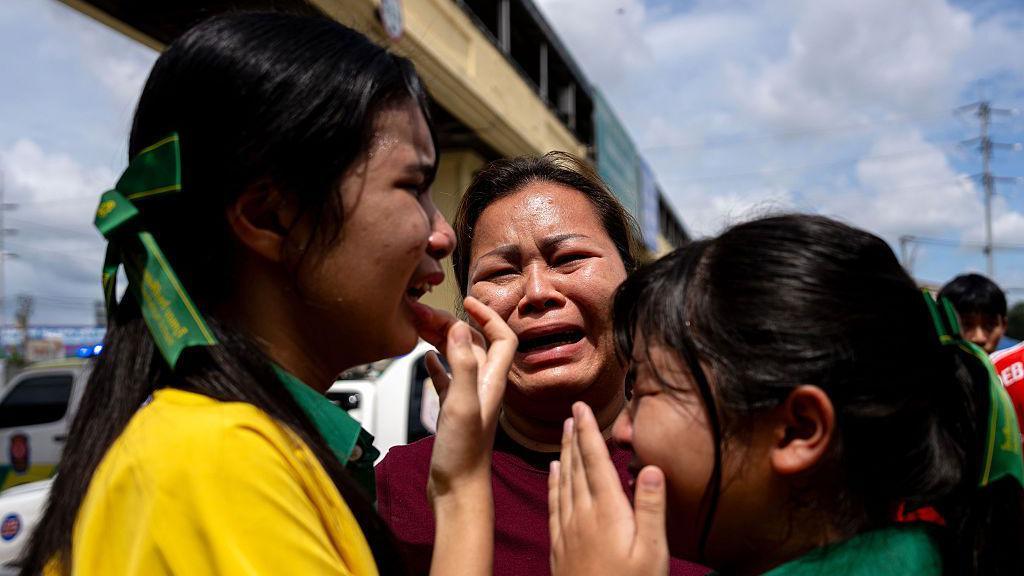
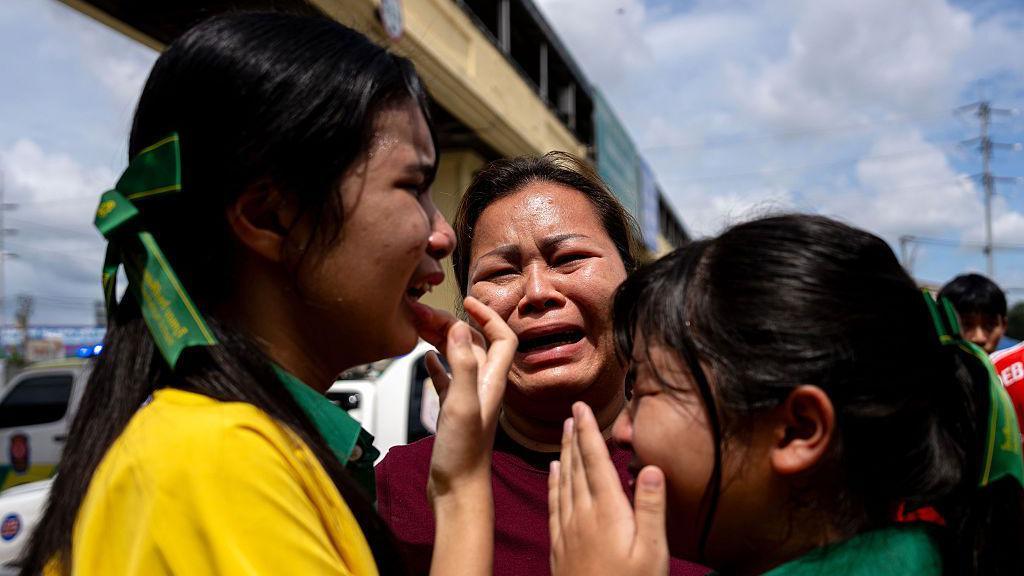
Nine of the injured are still in critical condition. School staff and students fled the building, many visibly distraught, while the local debate turned to gun‑control reforms. Thailand’s laws prohibit civilian firearm possession, yet up to 40 % of guns are believed to be illegal and the enforcement of these laws has been a challenge.
In a post on social media, the school called for blood donations. Schools in the surrounding area suspended classes early to ensure student safety. The Prime Minister urged citizens not to possess firearms and said the tragedy “shouldn’t have happened.”