
In brief
Executive officials in Syria have sharply condemned an Israeli air strike on the village of Beit Jinn, located southwest of Damascus, arguing that the attack violated international law and damaged a civilian vehicle, injuring several residents. The incident marks the second Israeli strike on Syrian territory in a matter of days, prompting diplomatic backlash from Washington and sparking accusations that Israel is attempting to entice Turkey into the conflict. Israeli forces claim their target was a terrorist in a pre‑planned attack, while the Israeli defence minister has denied allegations of misinformation about Turkish intentions. The latest events unfold against the backdrop of a tense regional landscape, where the strategic Abu al‑Duhur airbase near the Turkish border has become a flashpoint. The fallout demonstrates the fragile status quo between Syria, Israel and Turkey and could have lasting implications for regional security.
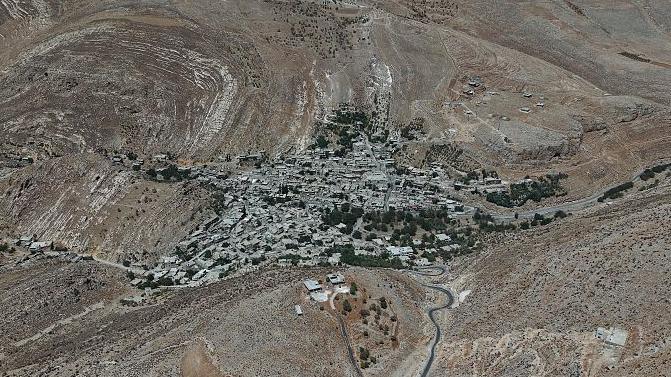
Syria has publicly condemned an Israeli air strike on the village of Beit Jinn, southwest of the capital Damascus. Officials say the attack struck a civilian vehicle and left several people injured, calling the action a violation of international law and a breach of Syrian sovereignty.
The strike represents the second known Israeli attack on Syrian territory in the past week, heightening tensions in a region already fraught with conflict. Israel stated it targeted a “terrorist” in the final stages of preparing an attack that posed an immediate threat to Israeli soldiers.
The United States has issued a rare rebuke of Israel, describing the attacks as an “unnecessary escalation that does not advance regional stability.” U.S. Ambassador to Turkey Tom Barrack suggested that the strikes might be an attempt to bait Turkish troops into a wider conflict ahead of upcoming Israeli elections.
Israeli defence minister Israel Katz launched a rebuttal, accusing the U.S. ambassador of “full of inaccuracies” and insisting that Israeli forces were acting on clear intelligence about Turkey’s intentions. Katz added that Israeli operations were carried out “in light of clear intelligence information about Turkey’s intentions.”
The latest incidents follow Israeli strikes on the Abu al‑Duhur airbase, a site that has remained out of official military service since 2013 and was seized by anti‑Assad forces in 2024. The airbase sits roughly 70 km from the Turkish border, and while no confirmation has been given of Turkish troop presence, Ankara has rejected Israel’s suggestion that the strike posed a threat.
Israel’s occupation of territory in southwest Syria and its continued suspicion of both Turkey and Syria underscore the complex strategic calculations in the Middle East. The ongoing tensions may reshape alliances and affect the delicate security arrangements that have kept the region at a precarious stalemate.