In brief
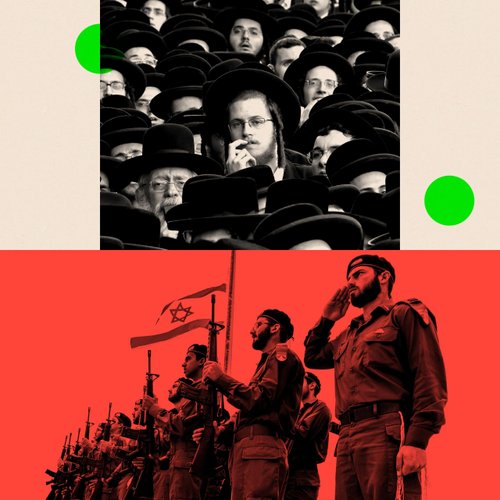
Israeli voters are preparing to head to the polls for an election described as the most consequential in the country’s history. After years of Benjamin Netanyahu’s right‑wing rule, the election seeks to replace his tenure with a more left‑inclined government. Gadi Eisenkot, a former army chief, frames the contest around Israel’s liberal democratic values, while Netanyahu underscores security as the key battleground. The outcome will decide whether Israel prioritises democratic openness or security conservatism. Amid rising tension, the world watches as the nation votes.
Israeli voters are preparing to head to the polls for a contest some have called the most consequential in the country’s history. The election, scheduled for this week, comes just months after the Hamas‑led attacks of 7 October 2023.
It is the first general election since those attacks, and it is poised to replace Benjamin Netanyahu’s nearly two‑decade‑long right‑wing rule with a potentially more left‑leaning government. Netanyahu, who has served in the same office starting in 1996, has insisted that security must remain the central focus of his campaign, warning that electing his rivals could make Israel less safe.
The man who has emerged as Netanyahu’s main challenger is Gadi Eisenkot, a former chief of staff of the Israeli army. Eisenkot argues that the election is about Israel’s identity as a liberal and tolerant democracy, stressing the importance of preserving civil freedoms and social equality in the face of security threats.
The outcome of this vote will shape Israel’s political future, setting the tone for how the nation balances democratic principles with security imperatives in an increasingly volatile region.