In brief
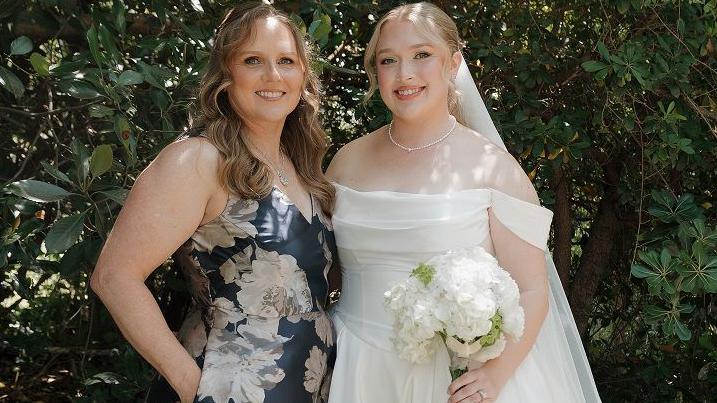
In California, Hannah Leonard‑Ripley reshaped her legal name to a hybrid of her mother’s maiden name and her husband’s surname, cutting ties with her estranged father. The move echoes the parallel steps taken by Angelina Jolie’s children Zahara, Maddox, and Shiloh as they seek to drop Brad Pitt’s surname. Experts explain that name changes can signal psychological boundaries and identity shifts, especially when parents separate. The article discusses legal pathways, costs, and the emotional relief these steps can bring.
When a name becomes an emotional marker
The decision to change one’s surname is more than a bureaucratic matter. For Hannah, who had been known as both Leonard and her father’s name for ten years, the legal shift to Leonard‑Ripley felt like a breath of fresh air.
What spurred the change? An estranged relationship with her father, a surname that included a slang term she was teased for, and a desire to have a name that matched her love life. By marrying, Hannah found the financial and emotional push to finally proceed with the change.
While Hannah’s story is personal, it is set against a broader backdrop of Hollywood parents making similar moves. Angelina Jolie’s adopted children, Zahara, Maddox, and Shiloh, have all stepped into legal processes to remove Brad Pitt’s surname. Their actions, revealed just in time for wedding ceremonies or film credits, reflect a family redefining boundaries.
Experts point out that names carry identity. Dr. Harry Parkin, a lecturer on naming history, explains that people often signpost who they are by what they call themselves. When a surname feels tied to pain, shedding it can act as a form of psychological defence, a way to separate from a past that no longer fits the self.
In England and Wales, this can be achieved through a simple deed poll, with or without public record. Costs range from £35 in Northern Ireland to £53.05 via the High Court. Parents over 16 can sign alone, while under‑age individuals need parental consent. Once a new name appears, everyone—government agencies, banks, schools—must be updated, a process that can last months and cost hundreds of dollars in the U.S. example.
For Hannah, the expenses were significant: a $400 legal fee and $130 for a newspaper advertisement. “So outdated and odd,” she said about the requirement to publish in a local paper. Yet the end result—an official name that reflected both her mother’s heritage and her spouse’s identity—outweighed the cost.
Other families have taken similar steps. In a recent article, a boy in Brooklyn emphasised how he and his family have moved forward with estrangement as a knock‑off party: “I just can’t see the points we talk about anymore.” Similar themes appear here: the pull of freedom versus the scar of last names that one may never want to carry.
Why the trend matters in the digital age
In a world where avatars carry names beyond a single screen, the question of who we choose to represent ourselves becomes ever more urgent. When a public figure or a private person refuses to continue a surname bound to a past, the change is reflected in every digital interaction, from social media handles to virtual meet‑ups in metaverses.
The rise of name changes among high‑profile families signals a broader acceptance of identity fluidity. It also highlights the legal pathways people now have to redefine themselves, beyond the hint that a name is merely a label.
By looking at stories like Hannah’s and the Jolie‑Pitt children’s, we see that modern families are not just shifting names; they are asserting personal agency and the power to write a new narrative from the very moment of birth.