In brief
In the run‑up to Israel’s general elections, far‑right leader Itamar Ben Gvir has gained the support of a large share of first‑time voters, attracting a youthful crowd to his rallies. Over sixteen percent of new voters are said to back Ben Gvir or his ally Bezalel Smotrich, a boost that could shift the tight electoral race. Many young Israelis view the extremist message as a promise of security after the 7 October attacks, while the older generation remains divided. Social media has amplified Ben Gvir’s appeal, giving him a decisive edge over centrist rivals who have been slower to engage on TikTok and Instagram.
When Israel’s far‑right National Security Minister Itamar Ben Gvir reached voting age, he was rejected from the army for being too politically extreme. Over the past three decades his views have stayed the same, while the country’s political landscape has shifted around him.
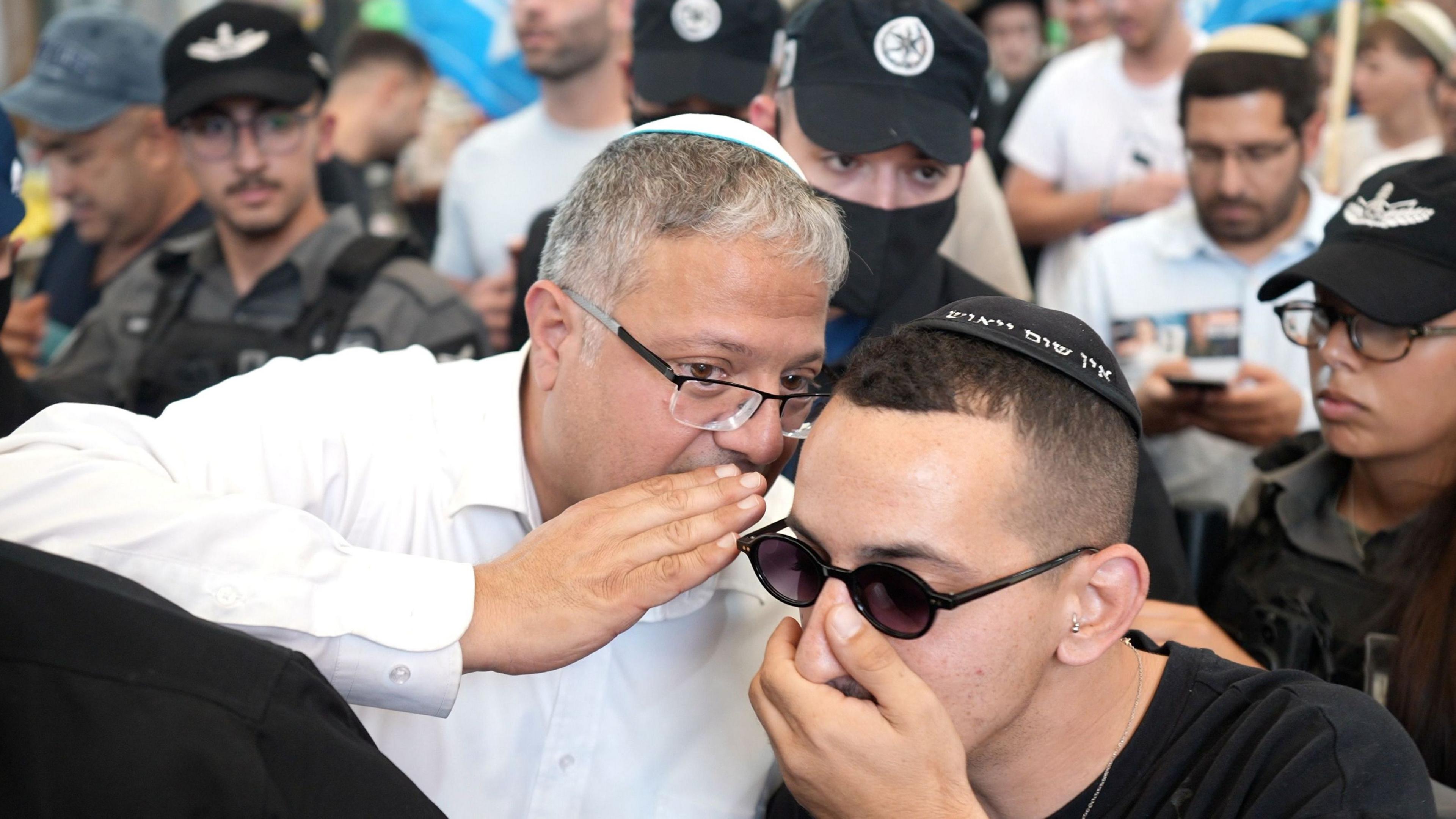
Now a cabinet minister, Ben Gvir has become a magnet for fresh‑faced voters at his rallies. In the mixed city of Ramle he urged young Israelis to step out and vote, saying, “What we see is support, we see love, and we want to win.”
More than half a million first‑time voters will cast ballots this week, a group that many see as pivotal for Israel’s future security and identity. Polls show that 16 percent plan to back far‑right parties – Ben Gvir’s Jewish Power or Bezalel Smotrich’s Religious Zionism – while almost three‑quarters identify as right or centre‑right.
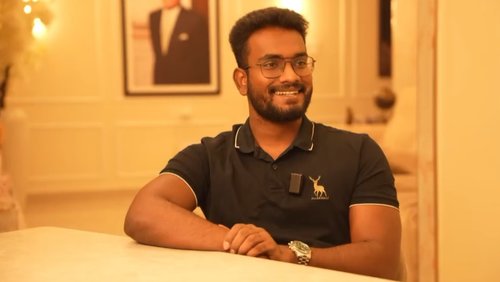
Youth reactions vary: “Itamar Ben Gvir gives me a sense of security,” says 20‑year‑old Mordechai, echoing the sentiment of many young supporters. “He will safeguard us, even in the army,” adds 18‑year‑old Nadav. A 23‑year‑old ultra‑Orthodox from London, Meir Schreiber, cites the 7 October attacks as a decisive factor in his choice.
Ben Gvir’s positions – annexation of the West Bank, settlement of Gaza, and voluntary emigration of Palestinians – draw sharp criticism from liberal Israelis. Western sanctions and travel bans for him and Smotrich reflect the international community’s concern over incitement, even as they command growing clout within Prime Minister Benjamin Netanyahu’s coalition.
Meanwhile, opposition voices are appealing to younger voters through “democracy‑protecting” messages on TikTok and Instagram. Former prime minister Naftali Bennett’s party Beyachad has been urged to match Ben Gvir’s social media presence, with Bennett himself recently releasing a militaristic clip set to heavy beats.
A divided nation watches, debating whether the right‑wing surge is a return to strength or a threat to Israel’s democratic fabric.