Saudi Arabia’s Dilemma in the Shadow of the US‑Iran War
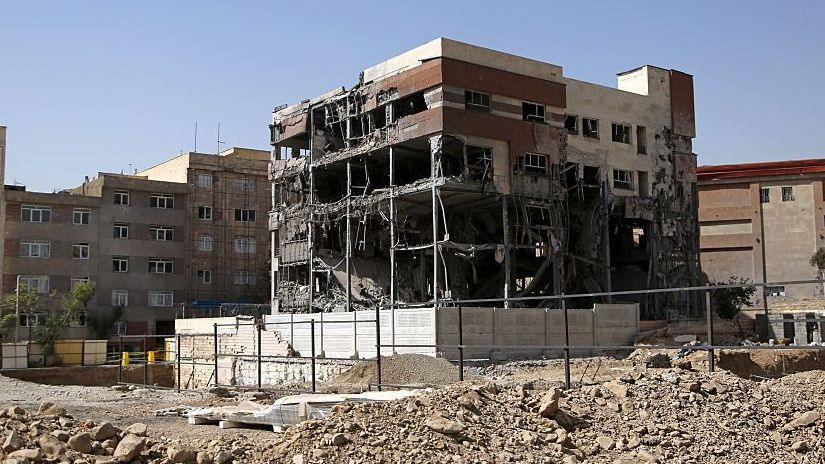
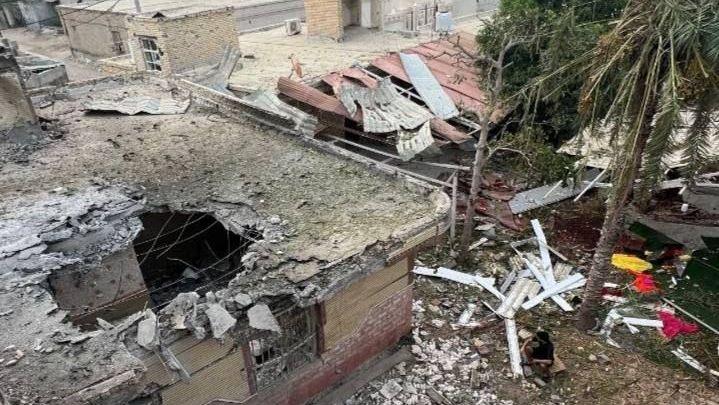
Saudi Arabia has largely stayed out of the US‑Iran war that erupted on 28 February, but recent attacks from Iranian‑backed militias in Iraq and Yemen have forced Riyadh to confront the threat directly.
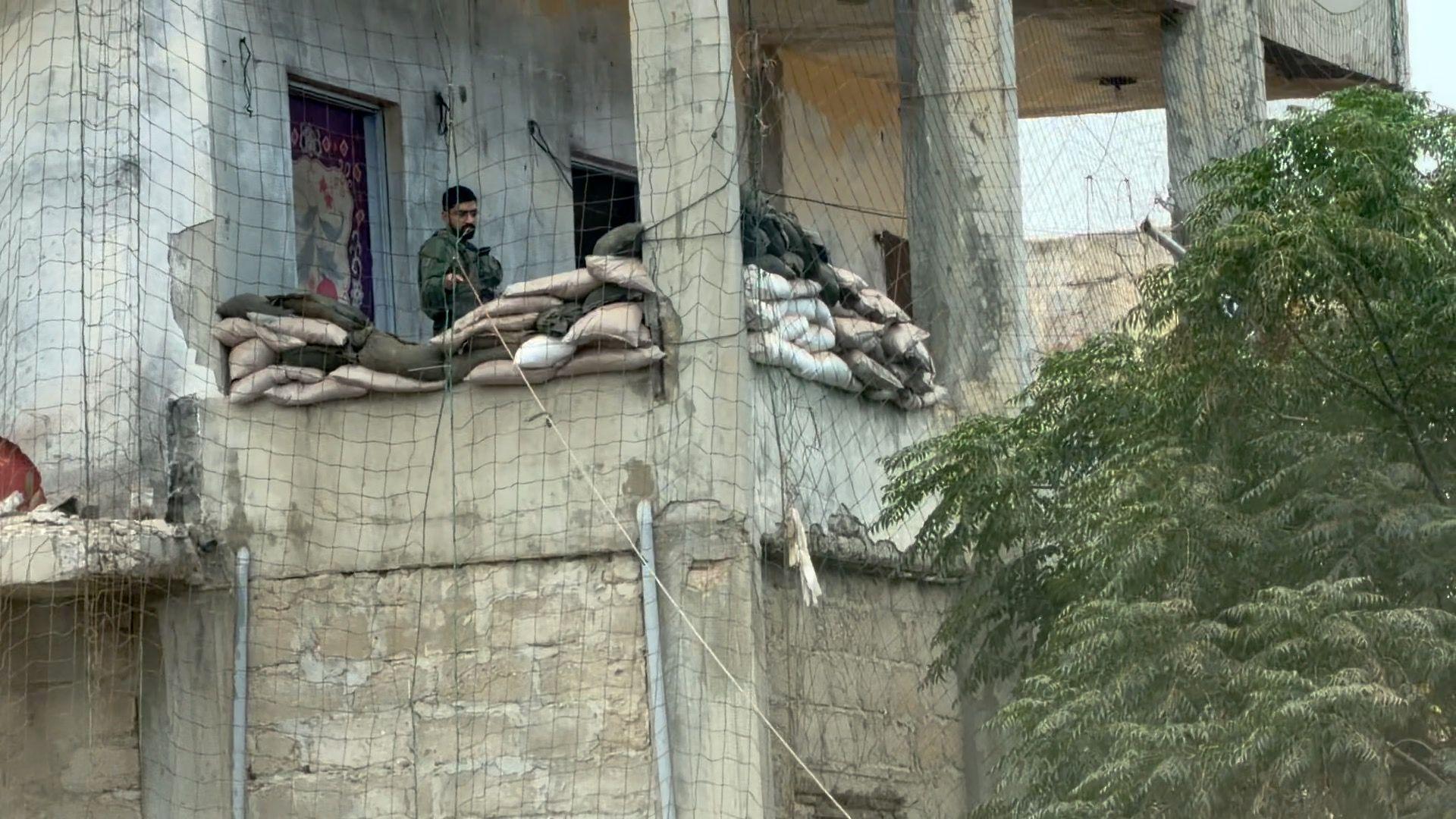
After being targeted from three sides, the Kingdom carried out joint strikes with the US on Iraqi Popular Mobilisation Forces that it blamed for launching drones at Saudi oil facilities. With drone and missile attacks now coming from the south and north, the kingdom faces a dilemma: continue retaliating as a deterrent or seek a diplomatic easing of tensions, perhaps through payments to adversaries.
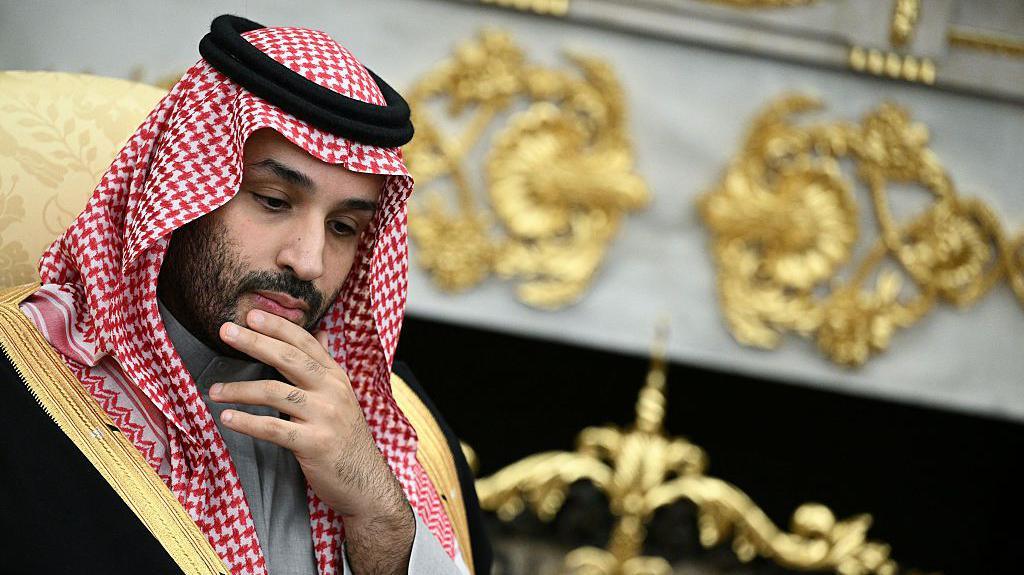
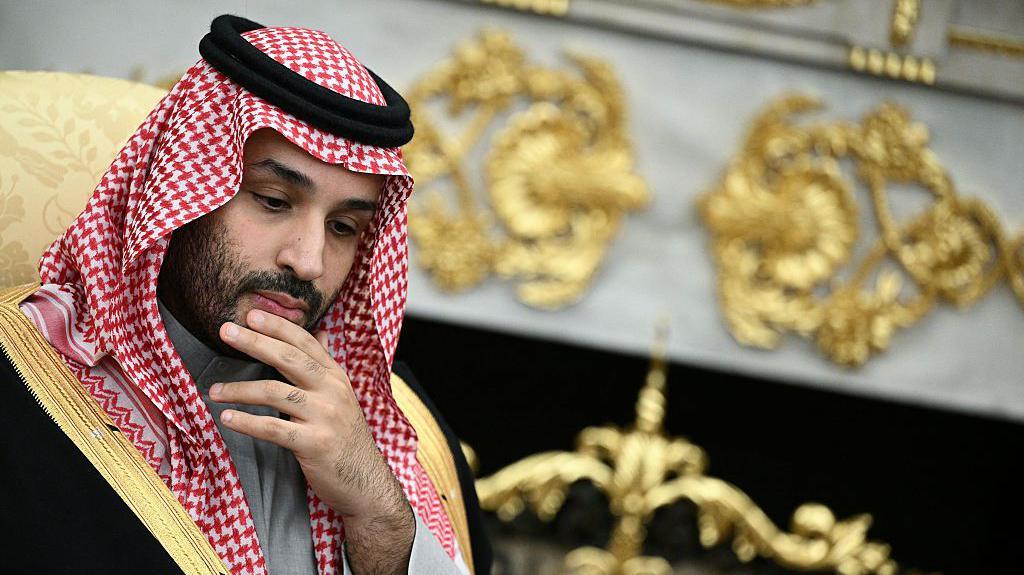
Mohammed Bin Salman’s Vision 2030 aims to diversify the economy, creating modern industries and attracting foreign investment. The vision, however, depends on secure oil exports and data center infrastructure that are now vulnerable to attack, exposing a stark conflict between economic transformation and security concerns.
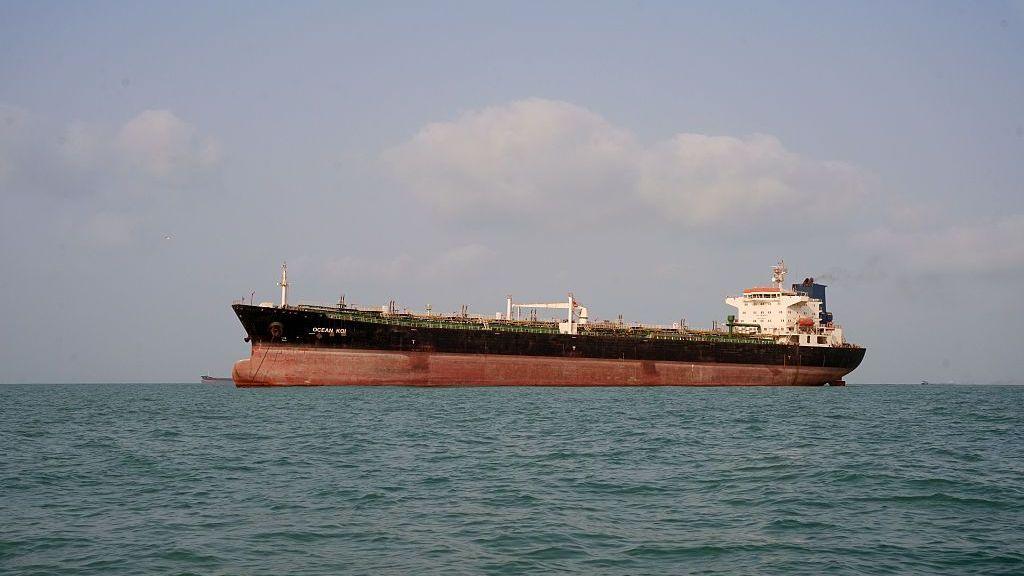
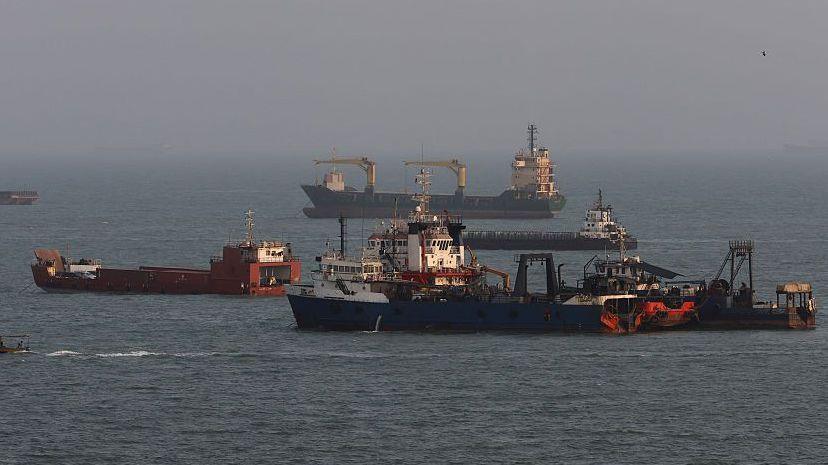
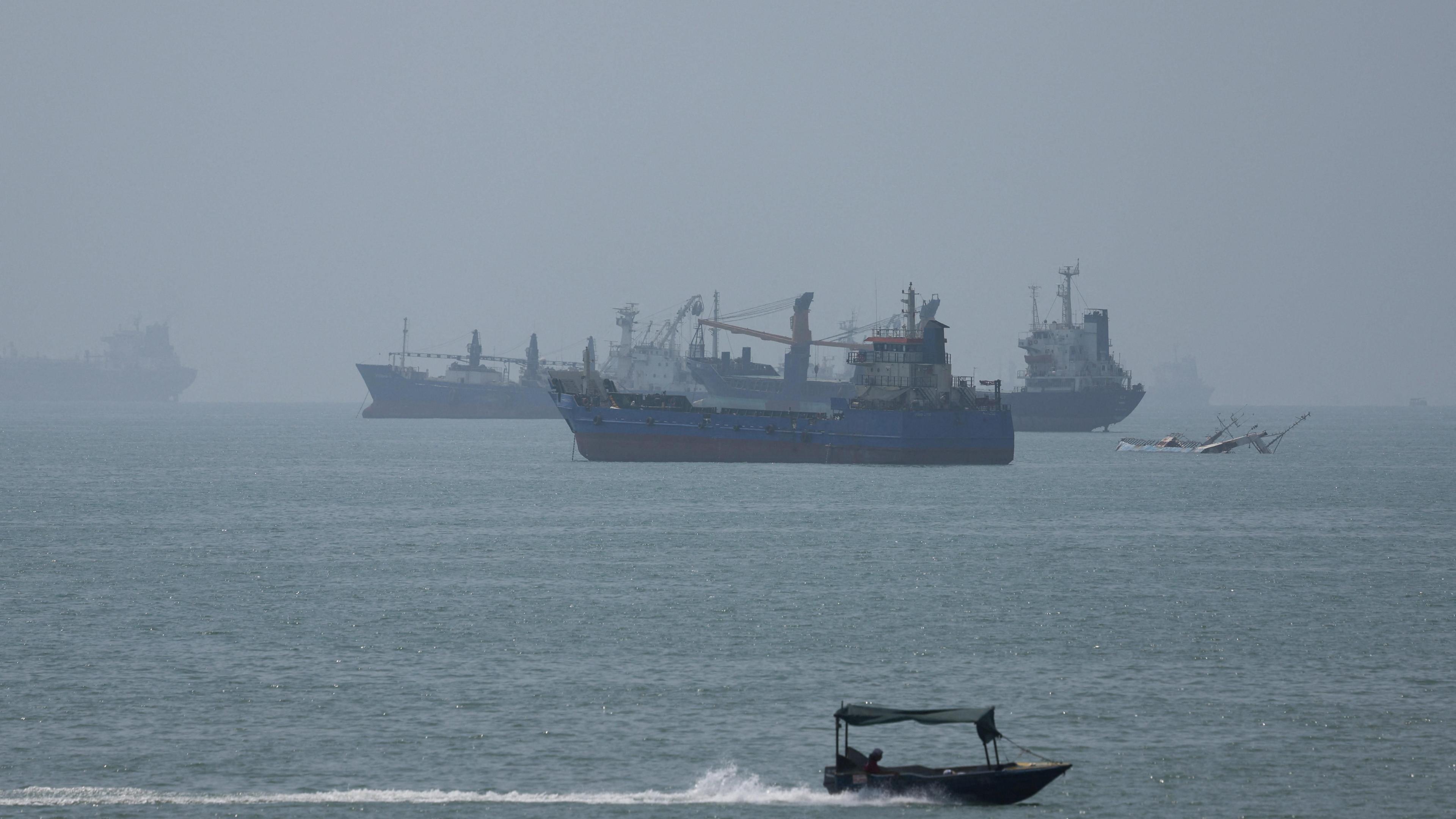
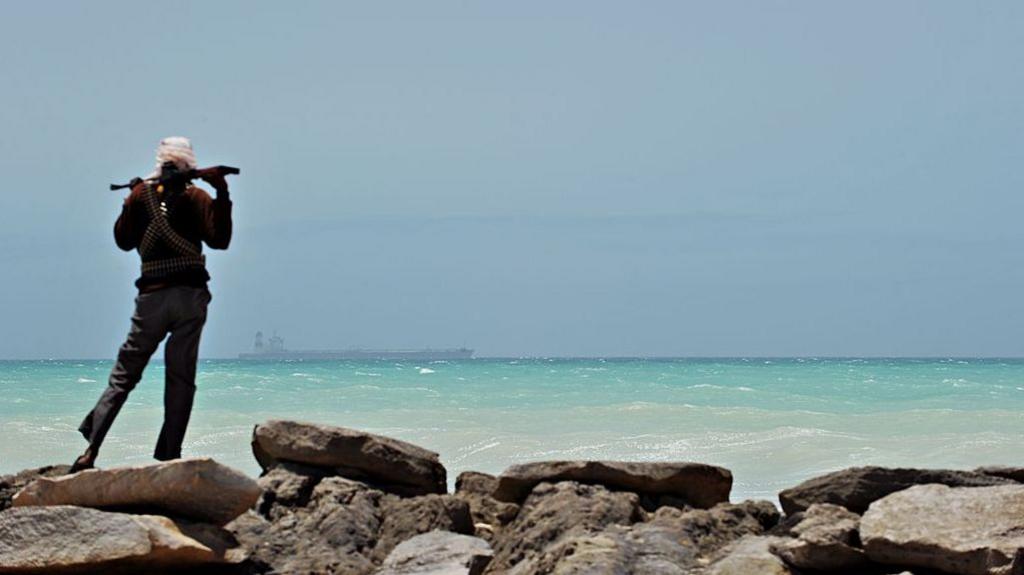
The dispute has already reshaped Gulf politics, threatening to choke Saudi oil exports to Asia via the Bab El Mandeb strait and to disrupt shipping through the Strait of Hormuz. These developments underscore the delicate balancing act Saudi Arabia must perform to preserve its economic ambitions while ensuring national security in an increasingly volatile region.
For more context on the region’s tectonic shifts, see the related stories on the Strait of Hormuz, Houthi attacks, and Iran’s strategic stakes near the near‑east shipping lanes.