In brief
Rotterdam, the biggest freight port in Europe, must confront the environmental cost of its vast fossil‑fuel operations. A lawsuit from the advocacy group Advocates for the Future demands a concrete phase‑out of coal, oil and gas flows, while the port authority has set a 90% emissions cut target by 2030. The plan includes a hydrogen hub, grid‑connected ships, LNG and biofuels, and even carbon capture to feed depleted gas fields. Yet industry owners tied overseas and limited power infrastructure pose serious obstacles, sparking debate over how fast the world can shift towards a net‑zero shipping hub.
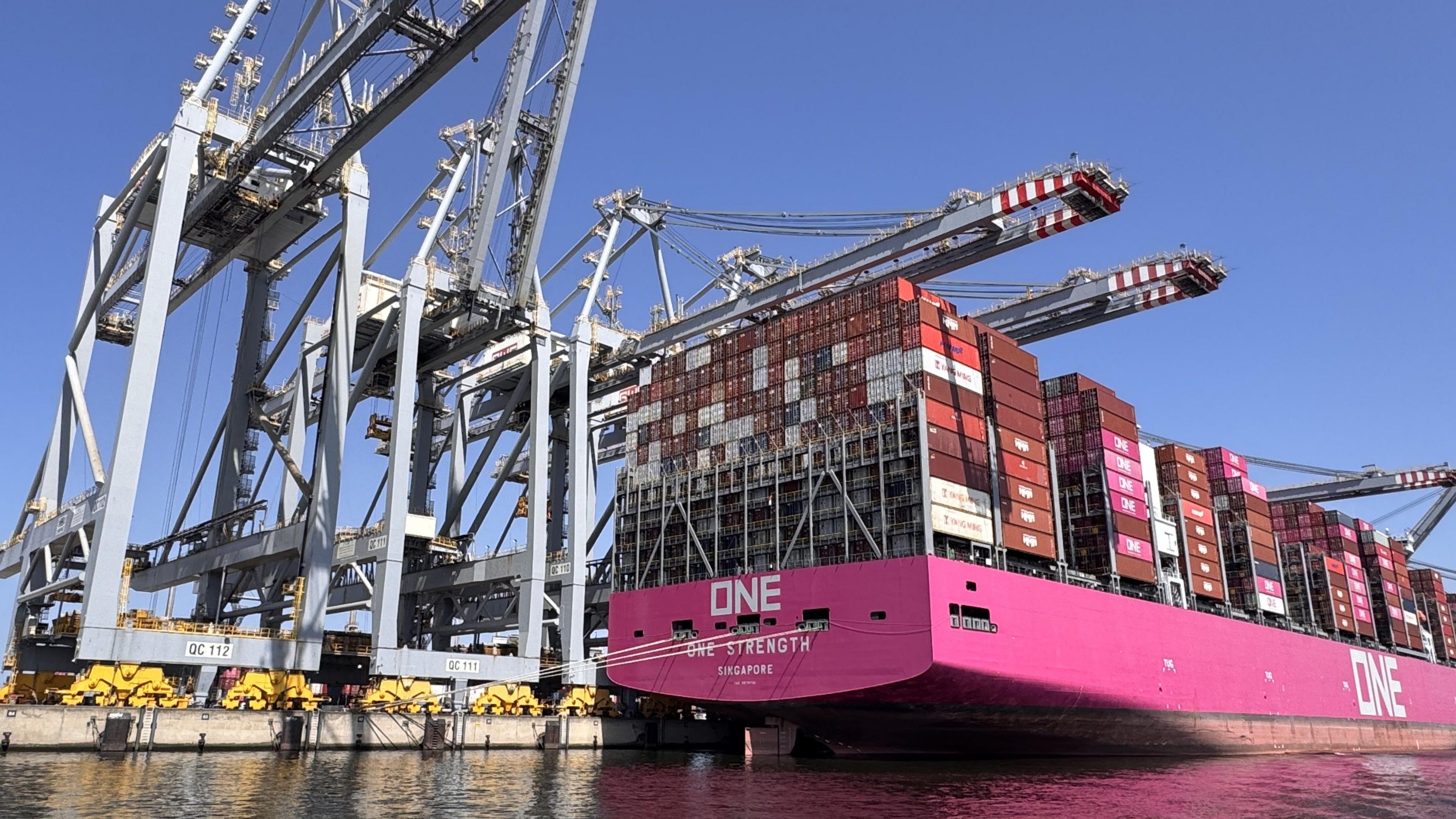
Standing on a grassy verge in the Hook of Holland, I look over the Port of Rotterdam. Situated at the delta of the Rhine and Meuse, this reclaimed landscape is home to Europe’s largest freight nucleus.
The port’s volume rivals that of all UK ports combined. It is dominated by cranes, bulk carriers and towering container stacks – the visible facets of a sprawling chemicals and energy hub.
Five refineries, including Shell’s largest in Europe, process hundreds of thousands of barrels of crude each day, while a dense cluster of chemical plants supplies factories across the continent. Individual fossil‑fuel flows linked to Rotterdam emit about 600 megatonnes of CO₂ annually – far more than the Netherlands’ biggest airport, Schiphol.
Against this backdrop, Rotterdam is being held to account: a lawsuit by Advocates for the Future accuses the Port Authority of failing to phase out fossil‑based energy and demands a concrete, actionable plan.
Today the port’s industrial cluster emits roughly 29 million tonnes of CO₂ per year – about half of the country’s domestic emissions. Mark van Dijk, external‑relations head, compares it to tens of thousands of Amsterdam‑to‑Los Angeles return flights and says it is “not good.”
In response, the Port Authority has set a 90% reduction target for its own energy use by 2030. The roadmap features a hydrogen hub, on‑shore ports that allow ships to plug into the grid, and support for alternative bunkering fuels such as LNG, bio‑fuels and methanol.
Carbon capture and storage (CCS) also factors into the strategy. Van Dijk references the Porthos project, which would pipe industrial CO₂ offshore into depleted gas fields.
Advocates for the Future argue that a public port should enforce stricter obligations on state‑level emissions. They urge a phase‑out plan that not only predicts an end‑of‑century climate‐neutrality but demonstrates accelerated action.
Van Dijk agrees on the target but highlights the need for speed. He points to the port’s increased “dual‑fuel” onboarding as a pragmatic short‑term compromise while pushing for a full transition.
Yet the port’s biggest buyers are headquartered abroad—often in the US or China—giving them incentive to shift if Rotterdam’s rules tighten. Shell has already moved its headquarters to the UK, and Unilever has left Rotterdam altogether.
Environmental consultant Bettina Kampman notes that infrastructure constraints, such as limited power cable availability, limit the pace of electrification. The need to physically expand energy infrastructure is a real bottleneck.
Professor Harry Geerlings from Erasmus University is skeptical that a single port can drive a full transition on its own. He sees the need for a global framework, akin to the EU’s Emissions Trading System and the sulphur limits that forced ships to adopt cleaner fuel or scrubbers.
Geerlings points out that as soon as European ports required low‑sulphur fuel, shipping lines began to comply or risk losing market access. Only when China could no longer use US or European ports did it adapt too. “Incentives change behaviour,” he says.
However, the current practice of vessels switching between cleaner fuel upon entering European waters and cheaper heavy fuel oil on the high seas highlights the limits of regional regulation.
Despite this, Rotterdam’s leadership, embodied by director of innovation Oscar van Veen, remains committed to progressing the port toward a greener future, even while maintaining vital freight operations.
Still, the port’s ambitions clash with its dependence on fossil‑fuel industries. The challenge remains: keep the port alive while shedding the environmental costs that come with it.