In brief
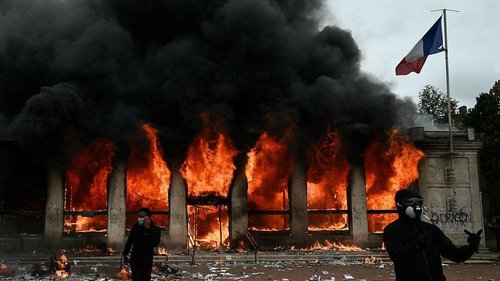
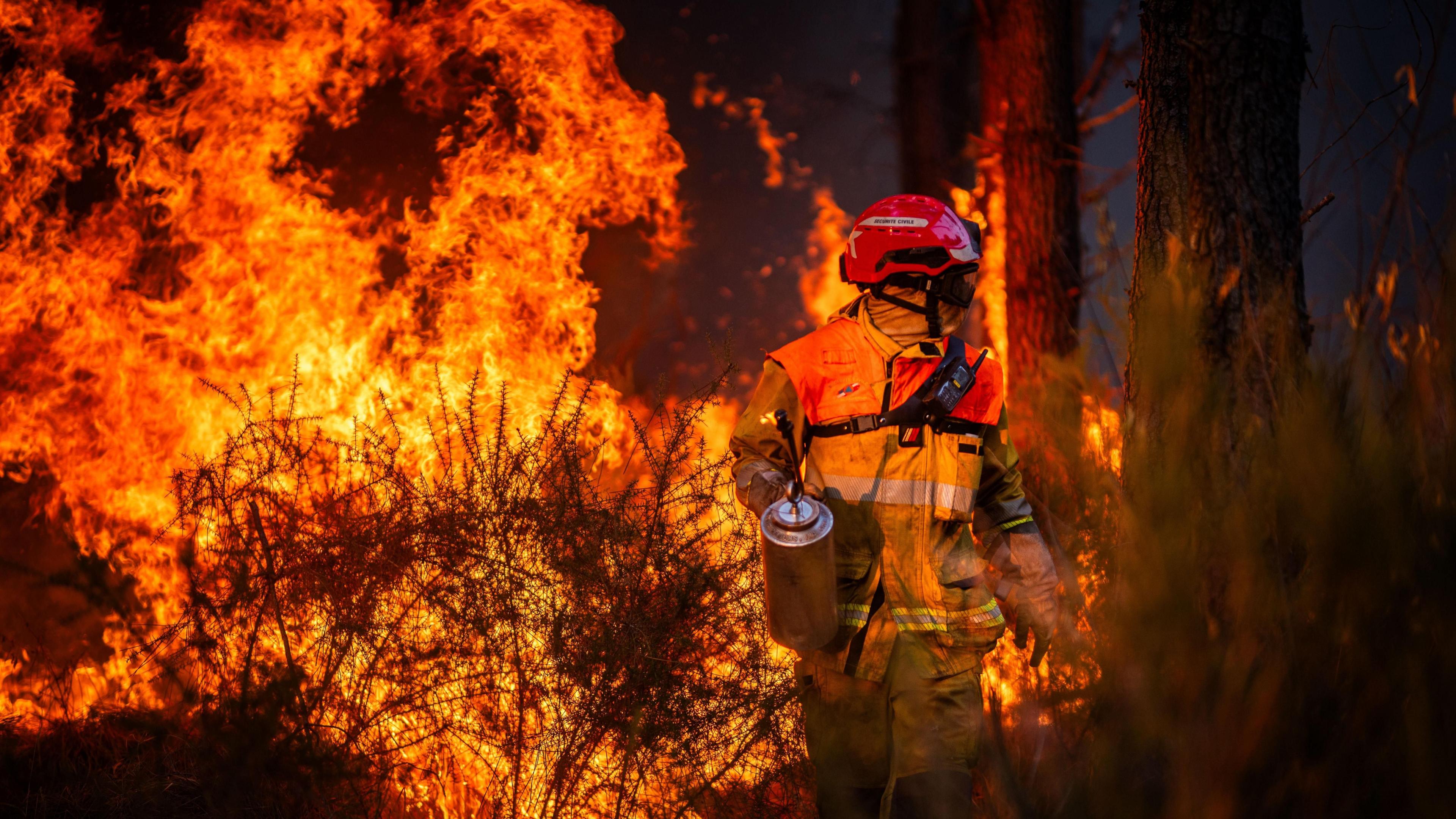
France’s summer has seen wildfires covering more than 300,000 acres, making it the country’s most destructive fire season since World War II. In response, authorities have detained 420 individuals—many minors—for allegedly starting or unintentionally igniting fires. Experts contend that while human error accounts for nine out of ten outbreaks, escalating temperatures and drought conditions make accidental fires increasingly likely. The case raises questions about whether the steep prison sentences are proportionate, and highlights a broader struggle to manage forest fires amid climate change. President Emmanuel Macron urges a shift toward replanting and climate‑adapted forests while governments assess how best to balance prevention and punishment.
Hundreds arrested over French wildfires, but who is to blame?
After this year’s wildfires have dealt France more damage than any period since the Second World War, a single question looms: Why are they happening?
Rising temperatures, a hallmark of our climate’s shift, set the stage for widespread fire outbreaks. Yet statistics show that nine out of ten French wildfires are linked to human action—whether deliberate or accidental. In the heat of the summer’s blaze, the Paris administration has begun to pin blame on those it has now arrested, citing both intentional arson and negligence.
The interior ministry moved swiftly to detain 420 people, including 166 minors, who are accused of starting or igniting fires in the south‑eastern Var, Vosges and other key regions. A 23‑year‑old man now faces a 15‑year sentence and a hefty fine after allegedly lighting ten fires in five days; others have already received custodial sentences for smaller incidents.
The arrests have stirred criticism. Lawyers and journalists alike argue that the evidence is weak: a homeless man, a person with severe autism, and even a firefighter have been jailed after minimal and sometimes questionable acts, such as dropping a cigarette butt.
Notable voice in the debate is lawyer Muriel Gestas, who has represented arson suspects, including two firefighters. She questions whether the sheer volume of arrests will lead to convictions, considering the short, rushed investigations carried out by police.
Le Monde, an influential French newspaper, highlights the lack of detail in the prosecutor’s case filings. There is no public clear data indicating whether charges involve intent or how these numbers compare with previous fire seasons.
Facing the warning of the prosecutor, Bordeaux’s Renaud Gaudeul mentioned that in the current drought conditions even a single cigarette butt can pose a serious endangerment risk. The prosecutor argued that ensuring the public’s safety justifies a hard stance.
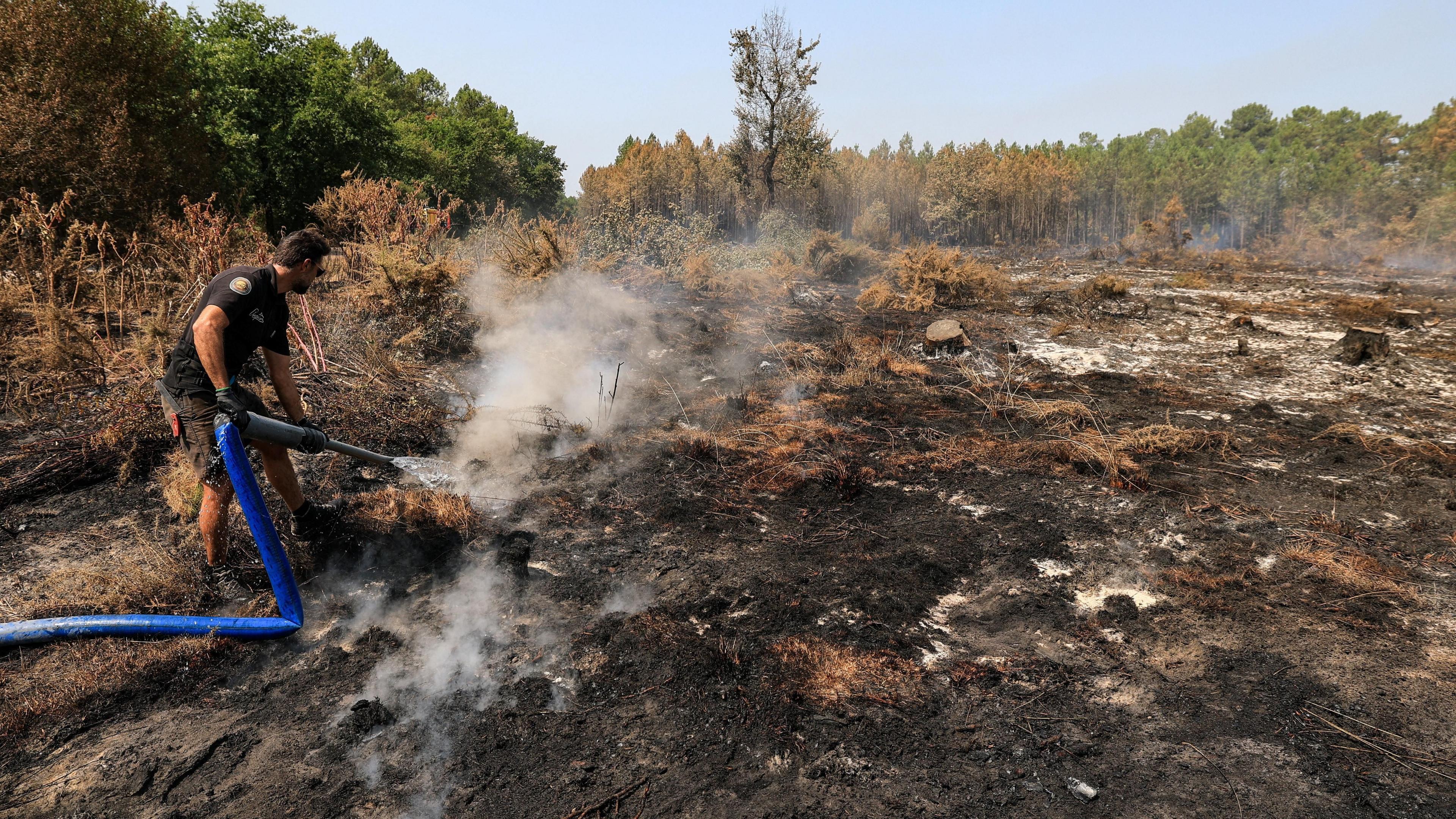
In terms of investigative methods, fire‑fighter Eric Dufayet explains how fire investigators track origins and detect signals of deliberate ignition. He notes that a V‑shaped burn pattern often indicates a human source, and that in a dry season such patterns are easier to identify.
Most fires are inferred as accidental, with sources ranging from construction work, faulty equipment, and prolonged use of cigarettes or barbecues. A so‑called “30 rule” identified by investigators states that a cigarette can start a fire when temperatures exceed 30 °C, humidity stays below 30 %, wind less than 30 km/h, and at least 30 % of the butt remains unburnt.
Psychiatrist Michel Lejoyeux divides arsonists into three groups: careless offenders, opportunists seeking benefit, and pyromaniacs. He notes that the latter is rare and difficult to diagnose; most arsons are either accidental or motivated by opportunistic gain.
Lawyer Gestas also mentions that some volunteers might have been tempted by financial incentives—pay for tax‑free overtime or the perceived respect of acting as a community saviour.
Macron emphasised that that country might have to replant its forests and adopt new protection strategies. “The time for reviewing lessons learned will come,” he stressed, urging unity during a moment of unprecedented natural devastation.
With continued heat waves on the horizon, France’s public must anticipate the next round of fires while grappling with questions of accountability and climate adaptation. The path forward will require a balance between swift justice and the serious realities of a warming planet, as the country rebuilds a forest that can survive future droughts.