In brief
Pemba Dundu Tamang, a laborer on the Upper Trishuli 3B hydropower project, describes how a gushing torrent swirled around the tunnel and chased him for 20 minutes as the surrounding villages were torn away by floods. The tragedy is part of a wider disaster that has claimed over 1,000 lives and left thousands more missing. Rescue teams are pumping air into stuck tunnels and using heavy machinery, but many workers remain trapped. The event has raised questions about safety in rapid‑growing hydropower sites and the need for stronger early‑warning systems.
Pemba Dundu Tamang, a hydropower worker making the concrete lining of the Upper Trishuli 3B tunnel, was suddenly caught in a deluge that turned the tunnel mouth into a funnel of water and mud. He ran for about twenty minutes, trying to outrun a wave that seemed to chase him up and down the hillside.
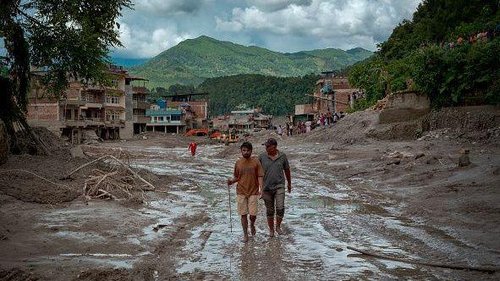
The incident is part of a catastrophic series of floods that hit Nepal last week, killing more than 1,000 residents and leaving up to 4,000 people still missing. The floods ripped through villages along the Trishuli River and left thousands of hydropower workers trapped inside underground chambers.
“The wind slammed plywood and machinery around me, and I found myself running just ahead of the water,” Tamang told the BBC. He lost six family members who were at home when the waters surged.
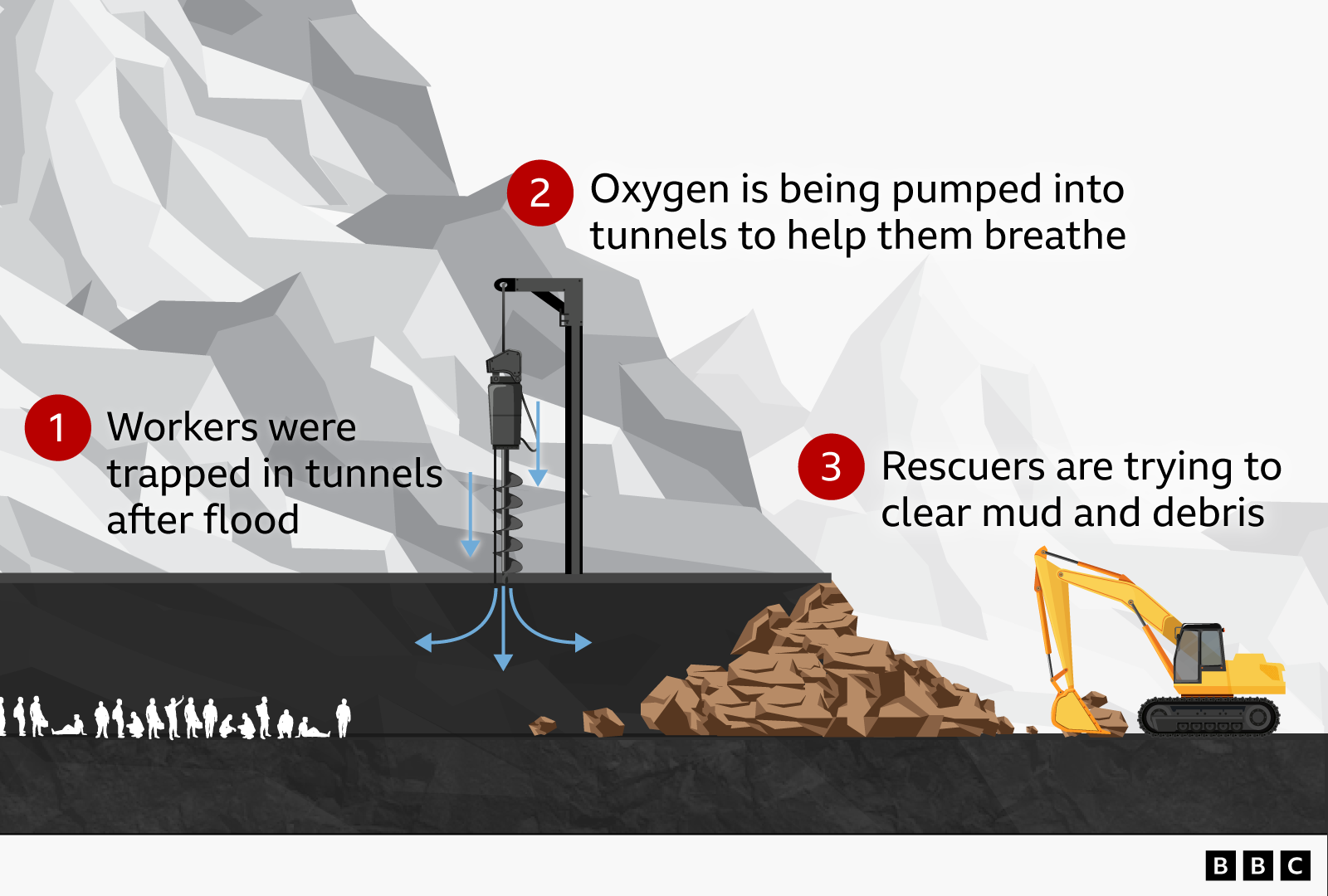
The Upper Trishuli 3B project is one of several new plants that harness river flow for Nepal’s electricity grid. Engineers are now pumping air into the stalled tunnels to ventilate the confinement, while the Nepal Army deploys rescuers to retrieve bodies and prevent disease outbreaks.
“If we had proper warning systems, many of those trapped could have been saved,” says Tamang, reflecting the growing concern over inadequate flood monitoring in the region’s mountains.
Rescue teams are also blasting through debris with heavy equipment, but the velocity of the avalanche and downstream currents make conventional warnings impractical.
Tamang’s ordeal ended with a temporary refuge in the village of Shanti Bazar, where he stayed until army aid arrived. He estimates that fifty to sixty workers survived the tunnel’s crushing traumat, although many more remain believed trapped underground.
The disaster underlines the urgent need for more robust early‑warning and emergency response systems in Nepal’s rapidly expanding hydropower sector, where natural rivers and growing infrastructure intersect in increasingly perilous ways.