In brief
Fatima Zahra El Mansouri, 50, becomes Morocco’s first female prime minister after her party, the Authenticity and Modernity Party, captured the most seats in the 2026 parliamentary polls. Selected by King Mohammed VI, she is the second Arab woman to lead a government, following Tunisia’s Najla Bouden. El Mansouri, a former mayor of Marrakesh and former minister, will need to forge a coalition to command a parliamentary majority. Her appointment marks a significant step for gender representation in the Arab world, amid ongoing debates on women's rights in Morocco.
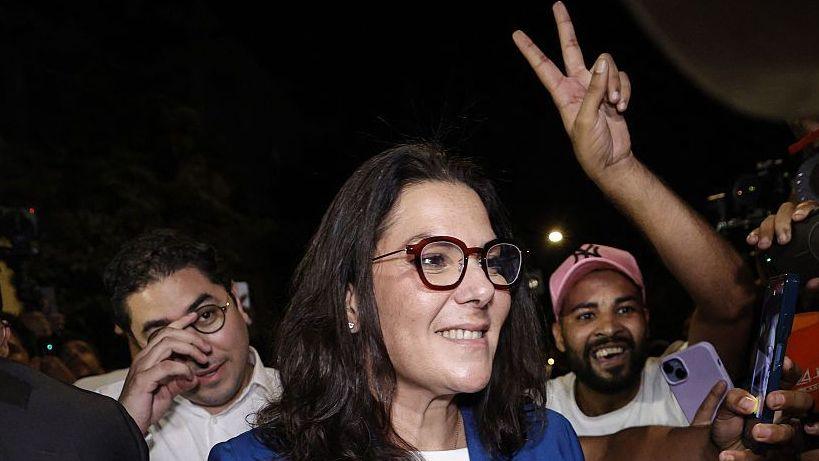
Fatima Zahra El Mansouri, a lawyer and former mayor of Marrakesh, was sworn in as Morocco’s first woman to hold the premiership after her party, the Authenticity and Modernity Party (PAM), won the largest share of seats in the 2026 parliamentary elections.
Her appointment, made by King Mohammed VI, places her only behind Tunisia’s Najla Bouden as one of the few Arab women who have led a national government.
El Mansouri was chosen over the country’s football chief Fouzi Lekjaa, a senior PAM politician. The 50‑year‑old, who has played key roles in previous coalition governments and served as minister of urban planning, will now need to secure a coalition that brings PAM’s 97 seats up to a 198‑seat majority in the 395‑seat House of Representatives.
During a victory press briefing, she praised the king as “the biggest advocate for women” rather than addressing questions about how gender‑segregated prayer traditions might change. She pledged that, should she be entrusted with the head of government, it would be a great honour.
El Mansouri’s rise comes at a time when Morocco is grappling with discussions on polygamy, inheritance rights and other gender‑related reforms, although she has generally refrained from public advocacy on these issues.
The nation’s constitutional monarchy grants the king significant powers; once a party secures a parliamentary lead, the monarch traditionally selects that party’s leader as prime minister. PAM’s collective leadership model means the decision rests more heavily on royal discretion than on a single secretary general.