In brief
Maria Machado’s return to Caracas after a 10‑month exile marks a dramatic shift in Venezuela’s political landscape. The exiled opposition leader arrived on a convoy that was broadcast live, greeted by jubilant crowds and a chorus of hope. Her homecoming coincides with a change in government, the removal of former President Nicolás Maduro, and a new relationship with Washington that includes a 100‑year oil concession. Analysts say her presence on the ground restores credibility to the opposition and signals a potential easing of public protest repression. Despite charges in Venezuelan courts, Machado’s return is seen as a turning point that could reshape the country’s future.
Driving through streets lit by cheers from the western state of Lara to the capital Caracas, opposition figure Maria Machado's return feels a world away from the quiet midnight exit that sent her to Oslo for the Nobel Peace Prize last decade.
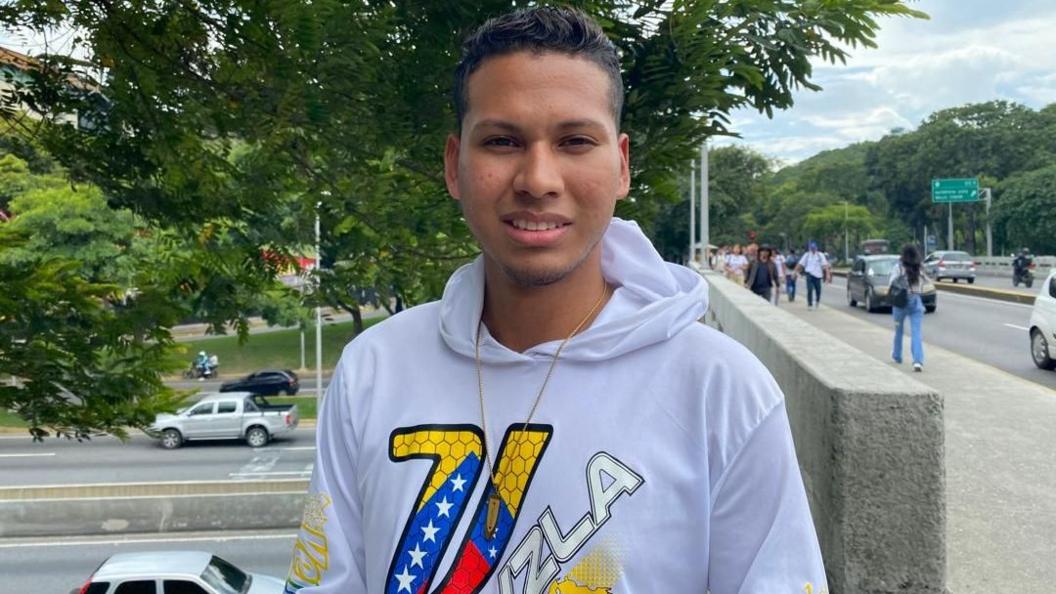
Where she had once slipped out under cover of darkness, this time she rode a convoy that was broadcast live, met with crowds along the way, and was met in the heart of Caracas with open arms – a scene described by young supporter Gregory Noriega as a moment of hope for the nation.
The 10‑month exile that separated her from her homeland had been blocked not only by Venezuelan authorities but also by an administration in Washington. The Trump administration had repeatedly said the “time wasn’t right” for her return – a stance that reversed with the signing of a 100‑year oil concession that ties U.S. control to a vast Venezuelan crude reserve.
Following the forced removal of former President Nicolás Maduro by U.S. troops on 3 January and his transfer to New York where he faces serious charges, the country is now under the stewardship of former vice‑president Delcy Rodríguez. Rodríguez has re‑oriented Venezuela’s relationship with Washington, a move that surprised many who had seen her as a “narco‑communist” of the past.
What Machado now enjoys is the green light from Trump, a political endorsement that critics say has been conditioned on the new government’s readiness to accept full U.S. oversight of key energy decisions. Analysts such as Beningno Alarcon argue that her return boosts the opposition’s legitimacy, marking the most significant political shift in the country since the January coup.
Public sentiment has cooled the fear that once dominated Venezuelan streets; in fact, studies show protests in the first nine months of 2026 were three times as frequent as in all of 2025, and repression appears to have fallen by more than half. Machado’s presence on the ground now gives the opposition a tangible leader who can rally the populace without the risk of exile.
Meanwhile, the U.N. and domestic courts still hold charges against Machado, ranging from treason to conspiracy of insurrection. She has called these accusations political theatre – an allegation that has never yet been refuted by the international community.
Additional reporting by Vanessa Silva in Caracas.