In brief
The Gabonese High Communication Authority announced the end of a state‑imposed social‑media ban that had lasted eight months. The sudden reversal came after widespread criticism from civil society, foreign governments, and the international tech community. The ban, introduced in February to curb what was seen as divisive online content, had forced users to rely on VPNs to keep in touch with the world. President Brice Oligui Nguema’s regime, which came to power a year ago, blamed the shutdown on misinformation amid growing unrest. The reinstatement now signals a potential easing of digital restrictions, though many question whether underlying political tensions will be fully addressed.
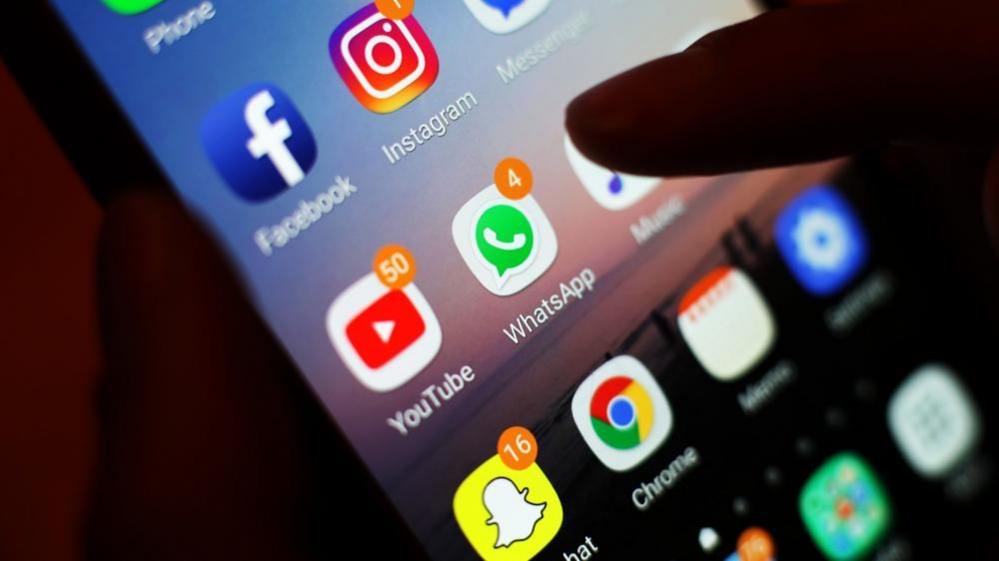
Gabon says it has lifted a ban on social media imposed eight months ago – a decision that stunned the international community.
The High Communication Authority (HAC) announced the policy reversal in a televised statement on Saturday, reversing a December‑2005‑style shutdown of platforms such as Facebook, TikTok, YouTube and Instagram.
The ban had been imposed on 17 February, with the HAC claiming that online content was fuelling conflict and deepening divisions within the country, a claim that critics said was a pretext to silence dissent.
For the small Central African nation of about 2.5 million people, the sudden removal of the digital blackout was a dramatic shift. The platforms had become essential for young people to run businesses, stay connected, and express themselves.
During the ban, many Gabonese users turned to virtual private networks to bypass restrictions, underscoring the resilience of digital engagement even under authoritarian measures.
The move coincided with a wave of protests and strikes, including teachers and civil servants demanding better pay and working conditions. Opponents accused the government of abusing its power.
President Brice Oligui Nguema, who won last year’s elections with a reported 90% vote share after ending the Bongo family’s 50‑plus‑year rule, had promised reforms. The reinstatement of social media now offers a glimmer of hope that dialogue and information flow may resume, but the underlying political tensions remain unresolved.