In brief
Maine Democratic nominee Graham Platner abruptly suspended his Senate campaign amid a sexual‑assault allegation, stirring political turmoil. The controversy unearths deep rifts between the party’s left wing and moderates, threatening the key goal of flipping Senator Susan Collins’s seat. With a new candidate looming and a looming deadline, Democrats face mounting pressure to rally supporters and maintain momentum. The fallout underscores both the risks of outsider candidates and the broader struggle to secure a Senate victory for the party’s progressive agenda.
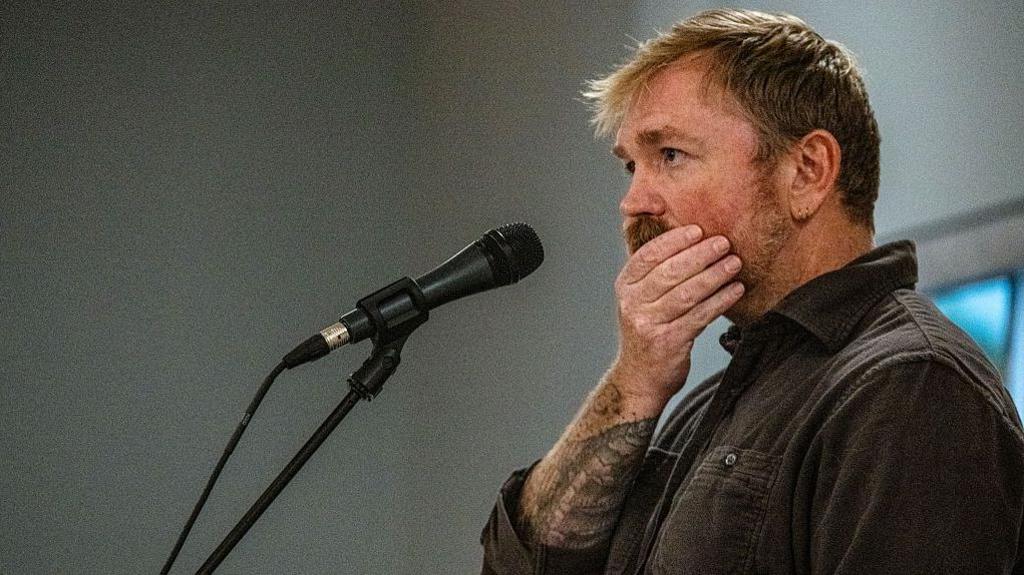
Maine Democratic nominee Graham Platner announced the suspension of his Senate bid on Wednesday night after a Politico story surfaced accusing him of sexually assaulting an ex‑girlfriend in 2021. Platner, an oysterman and former marine, had vaulted to prominence after top left‑wing figures such as Senator Bernie Sanders and Senator Elizabeth Warren endorsed his outsider candidacy in a race that Democrats deemed a must‑win to gain control of the Senate in November.
The allegations, combined with earlier controversy about offensive tweets, a Nazi‑connotation tattoo, and alleged toxic behavior, sparked an immediate withdrawal of support from state and national Democratic leaders. The campaign team has confirmed that Platner will not file paperwork until a replacement has been chosen through an “open and democratic” process.
The stakes are high. With Senate control on the line, Democrats view the Maine contest as a single‑seat swing. The potential loss of a key seat not only puts a safety net for midterm gains in peril but also threatens longer‑term ambitions for a left‑wing presidential run in 2028.
The filing deadline falls on 27 July, forcing the state party to convene a convention to select a new nominee. Delegates debate over whether to open the vote to all party members or restrict it to a smaller, more establishment‑aligned group. A disputed process risks alienating the very supporters that carried Platner to the primary, leading to fears of internal backlash and voter fatigue.
Historically, the party’s outsider strategy has produced outsized victories: the primaries across the country show a growing willingness to support charismatic candidates with vigorous visions for progressive policy. Yet Platner’s controversy highlights the double‑edged nature of such candidacies, where a single scandal can quickly derail a race and fracture the back‑bone of a campaign.
Panel reaction: State chair Devon Murphy‑Anderson accuses Platner’s team of trying to manipulate the nomination process, a claim the candidate has denied, insisting an open, democratic selection is essential. Critics argue the party’s heavy reliance on established progressive donors has stifled grassroots voices. Despite the turbulence, Democratic leaders emphasize the urgency of running a strong, unifying candidate in the lead‑up to November.
Only time will show whether the party can quickly rally behind a new nominee and quell internal divisions. The outcome will be a litmus test for the Democratic apparatus’s ability to navigate scandal‑ridden campaigns while preserving coalition cohesion and maintaining its chance at a Senate majority.