In brief
The 2026 Youth Olympic Games are set to open in Dakar, turning the West African country into the continent’s first Olympic rings host. A 15‑day schedule spanning 25 sports will bring roughly 2,700 athletes in the 15‑17 age group to Dakar, Diamniadio and Saly. Beyond competition, the Games emphasize Africa‑centric culture, featuring the lion mascot Ayo, a national anthem, and a canoe‑wrestling tour. Organisers aim to leave a lasting legacy with renovated venues, employment, and development programmes for youth. The 50,000‑seat Abdoulaye Wade Stadium will stage the opening ceremony and serve as a symbol of Senegal’s ambition.
The 2026 Youth Olympic Games are set to open in Dakar, turning the West African country into the continent’s first Olympic rings host. A 15‑day schedule spanning 25 sports will bring roughly 2,700 athletes aged 15‑17 to the Dakar, Diamniadio and Saly region.
What Are the Youth Olympics?
Organised by the International Olympic Committee, the Youth Olympics focus on athletes between 15 and 17, mixing Olympic traditions with new sports, mixed‑gender events and cultural programmes. Singapore hosted the inaugural Games in 2010, followed by Nanjing (2014) and Buenos Aires (2018). Since its debut, many participants have risen to senior Olympic podiums, exemplifying the event’s role as a launchpad for future stars.
Why the Games Matter for Africa
Black‑box history shows Africa has hosted major sporting events, but none bore the Olympic rings before Dakar. IOC official Christophe Dubi described the Games as “monumental” for the continent. Senegal’s deputy chief operating officer, Thierno Cisse, says the nation feels the weight of representing Africa’s high standards. The event promises employment, tourism, volunteer programmes, and a focus on sports‑centric youth training.
Sports Line‑Up
Nineteen of the 25 competition sports are the same as in Paris 2024, including athletics, swimming, breaking and skateboarding. New additions—Baseball5, Wushu Taolu, beach handball, beach wrestling, and coastal rowing—offer fresh appeal. Eleven engagement sports without medals, such as golf, karate and surfing, will encourage local participation.
Venues & Logistics
Rather than new constructions, organisers renovated existing facilities: the Iba Mar Diop complex in Dakar hosts athletics, rugby sevens and futsal; the Tour de l’Oeuf waterfront accommodates swimming, 3x3 basketball, breaking, skateboarding and Baseball5. Road cycling will unfold along the Corniche Ouest, while the new city of Diamniadio serves as the Games hub with the Abdoulaye Wade Stadium hosting opening ceremonies, archery, badminton, and more. Dakar Expo Centre will house gymnastics, fencing, table tennis, judo and Wushu Taolu. Senegal’s Atlantic coast in Saly provides a scenic backdrop for sailing, triathlon, beach handball and coastal rowing.
Cultural Celebration
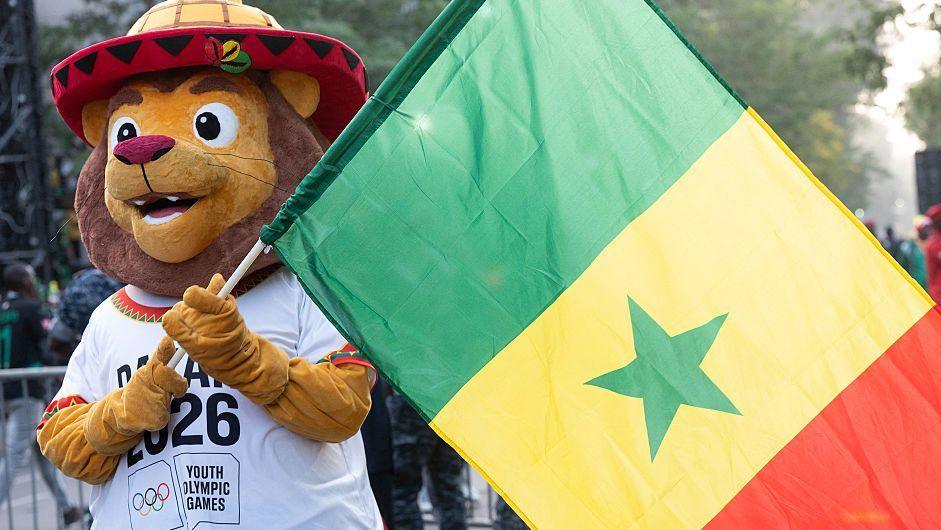
Senegal’s national mascot, Ayo the young lion, was chosen by a student and derives its name from a Yoruba word meaning joy. Medals feature a lion and a baobab tree, symbolising heritage and resilience. The official song “Teranga,” meaning hospitality, is performed by Mamy Mbaye. The torch relay covered 3,600 km across 14 regions, ending on 30 Oct at Place de la Nation before lighting the cauldron the next day. Ambassadors include football captain Kalidou Koulibaly, runner Eliud Kipchoge and influencer Khaby Lame.
Financial Outlook
Senegal committed at least $60m (£44.8m) to the Games, with projected loans around $90m (£67.2m) for long‑term infrastructure. The Abdoulaye Wade Stadium cost a reported $270m (£202m). Post‑Games impact reports will evaluate the total cost; organisers emphasise legacy over immediate spending.
As the first African continent to host an event bearing the Olympic rings, Dakar 2026 offers a lens through which the world can experience the Olympic movement—in a uniquely Senegalese and African light.