In brief
Workers on the Long Island Rail Road (LIRR) have gone on strike after failed contract negotiations, impacting around 250,000 daily riders as they seek better wages and healthcare conditions. With no scheduled negotiations, commuters are left scrambling for alternative transportation as the strike overshadows the upcoming NBA playoffs and MLB games in New York City.
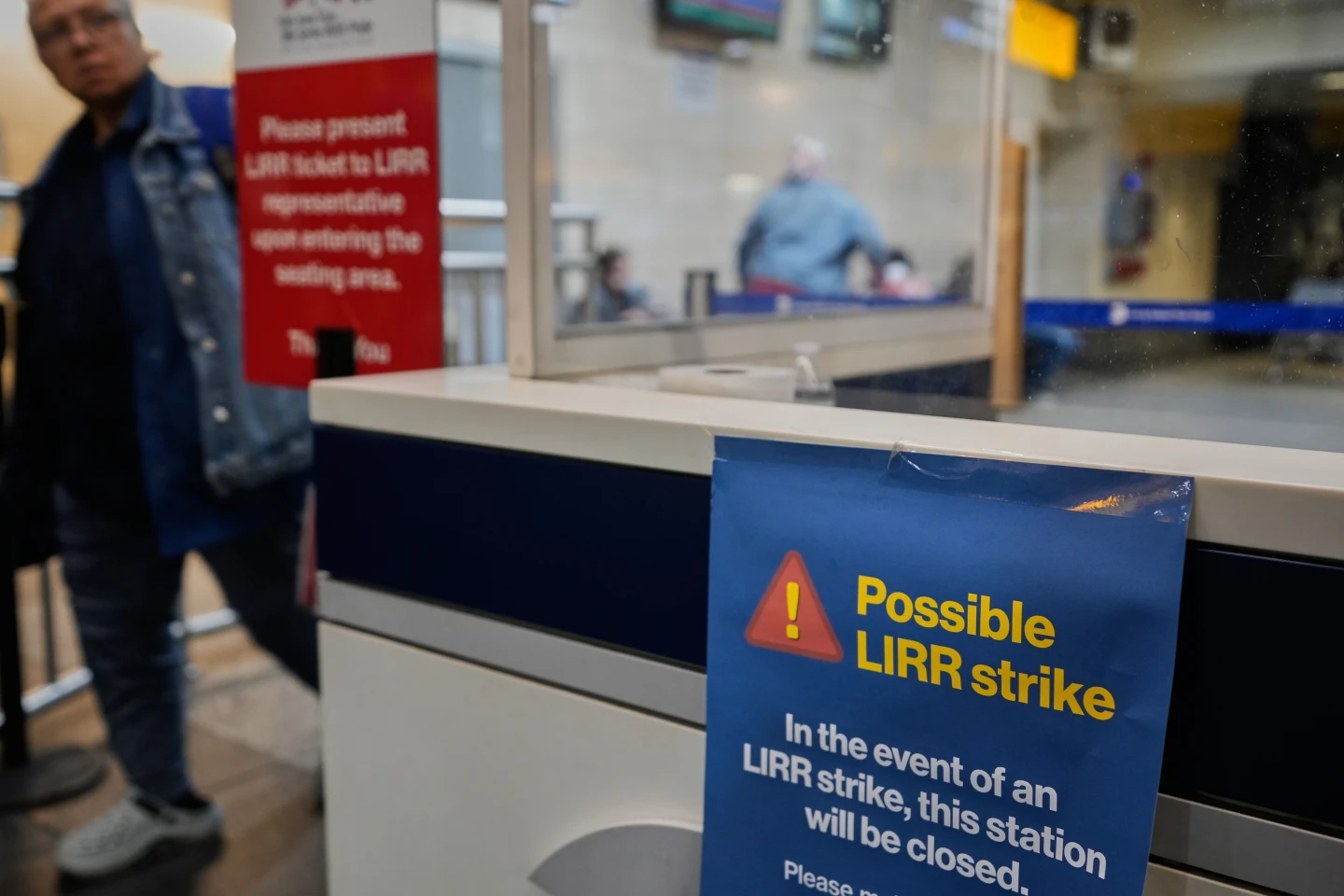
NEW YORK (AP) — Workers on New York's Long Island Rail Road (LIRR) are on strike, union officials announced early Saturday, effectively paralyzing the busiest commuter rail system in North America.
Unions representing about half of LIRR's workforce declared the walkout after contract negotiations with the Metropolitan Transportation Authority (MTA) failed, ending without a new agreement. Approximately 3,500 union members include locomotive engineers, machinists, and signalmen who had been awaiting contract resolution throughout the night.
Kevin Sexton, Vice President of the Brotherhood of Locomotive Engineers and Trainmen, expressed the unions' sorrow over the strike, stating, “We’re far apart at this point.” No further negotiations have been scheduled.
MTA Chairman Janno Lieber stated that the agency had met the union's pay requests but criticized union leadership for causing unnecessary disruptions. The strike will pressure the approximately 250,000 daily riders to seek alternative means to commute into Manhattan.
Gov. Kathy Hochul urged LIRR riders to work from home and announced plans for limited shuttle bus services to aid essential workers. She blamed union leaders for the strike, stating, “Commuters are dealing with unnecessary dysfunction.”
The dispute centers around wage increases and healthcare costs, with the union demanding a 16% raise over four years to address inflation impacts.
Commuters expressed their frustration, with one electrician stating, “It’s gonna be such a nightmare trying to get in.” Various individuals, including personal trainers and weekly commuters, have strategized to hold remote meetings or use vacation days in case of prolonged service disruption.
The LIRR has not seen a strike since 1994, and the ramifications of this labor action extend beyond routine travel, affecting sports fans hoping to attend games. Union workers may have the upper hand, as the MTA's resistance to concessions could push the agency toward a potential resolution to avoid longer-term disruptions.