In brief
After a prolonged eight‑month shutdown, Gabon’s High Communication Authority announced the lifting of its ban on major social media platforms, a reversal that has been met with both relief and caution. The ban, imposed in February, had been justified by authorities as a measure to curb content that sparked conflict during a period of political turmoil. Activists praised the decision, but some officials remain wary of potential unrest. The restoration comes amid ongoing calls for democratic reform following President Brice Oligui Nguema’s controversial election win. The move may influence how Gabon navigates digital freedoms in the years ahead.
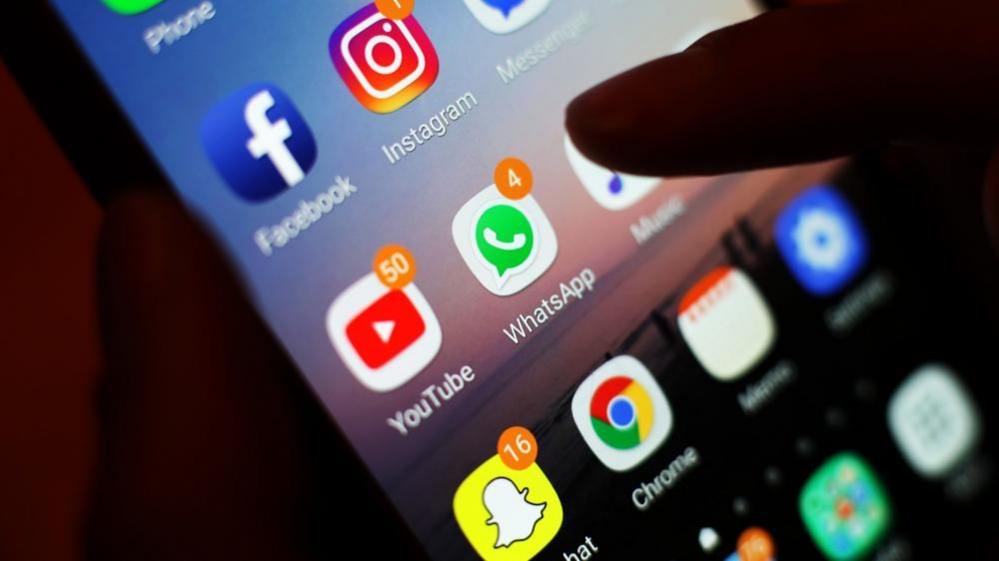
In a televised statement on Saturday, Gabon’s High Communication Authority (HAC) announced the lifting of a ban that had shut down Facebook, TikTok, YouTube, and Instagram since 17 February.
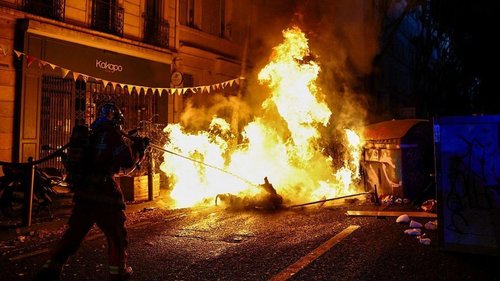
The restriction was introduced amid a wave of social unrest, with teachers and civil servants striking over pay and poor working conditions, and opposition leaders accusing the regime of wielding the ban as a power play.
Many Gabonese turned to virtual private networks (VPNs) to bypass the block, keeping the dialogue about misinformation and protest alive on digital platforms.
The restoration has been welcomed as a sign of increasing openness, though analysts caution that the government may still impose limits if public order is threatened.
President Brice Oligui Nguema, who won last year’s elections with over 90% of the vote, faces pressure to reform governance after a coup that ended a five‑decade family rule.
The lifting of the ban may signal a tentative step toward stabilising Gabon’s political environment and re‑integrating it into the global digital economy.