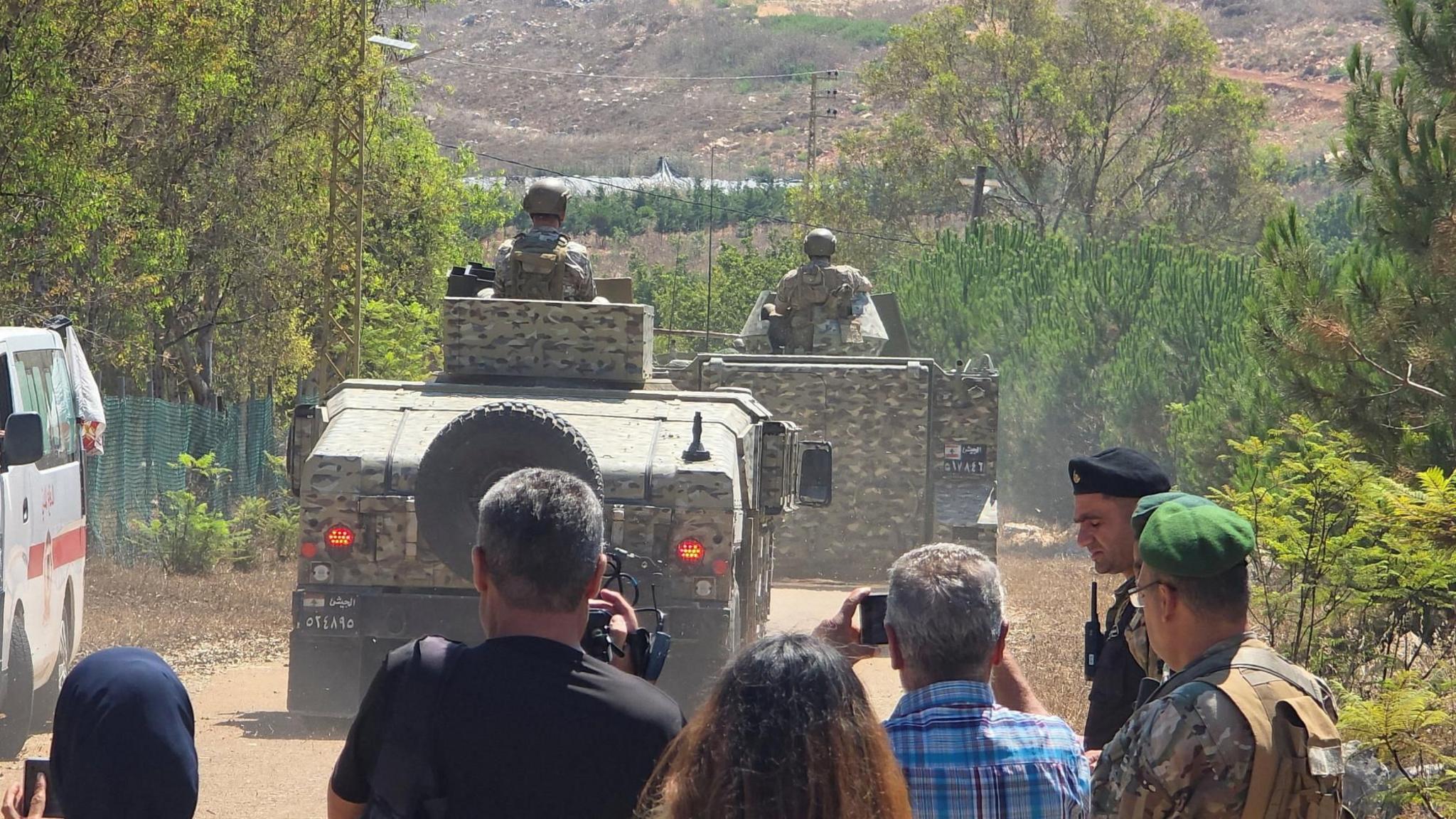
Lebanese Army Expands Presence in South as Israeli Forces Withdraw
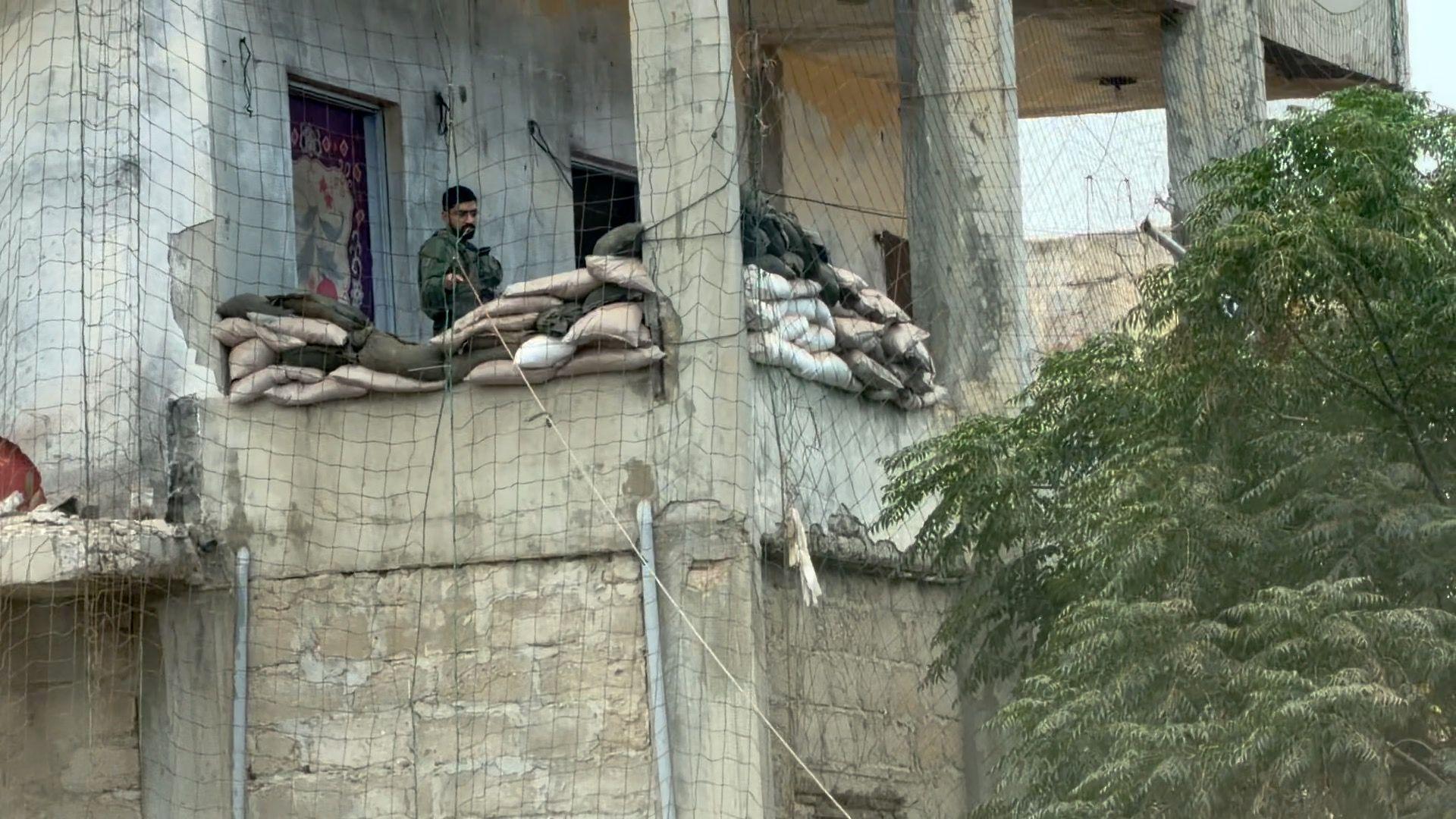
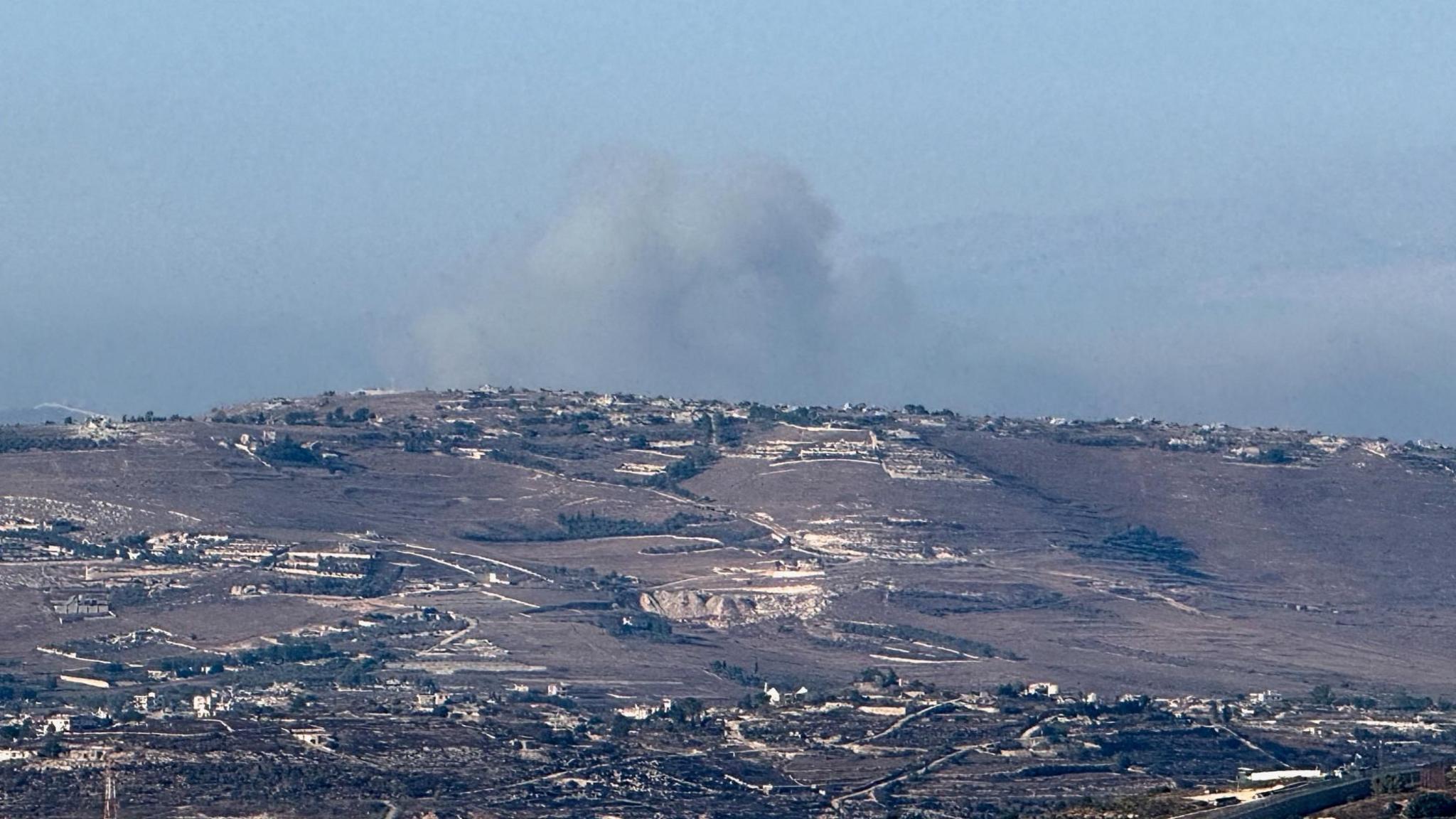
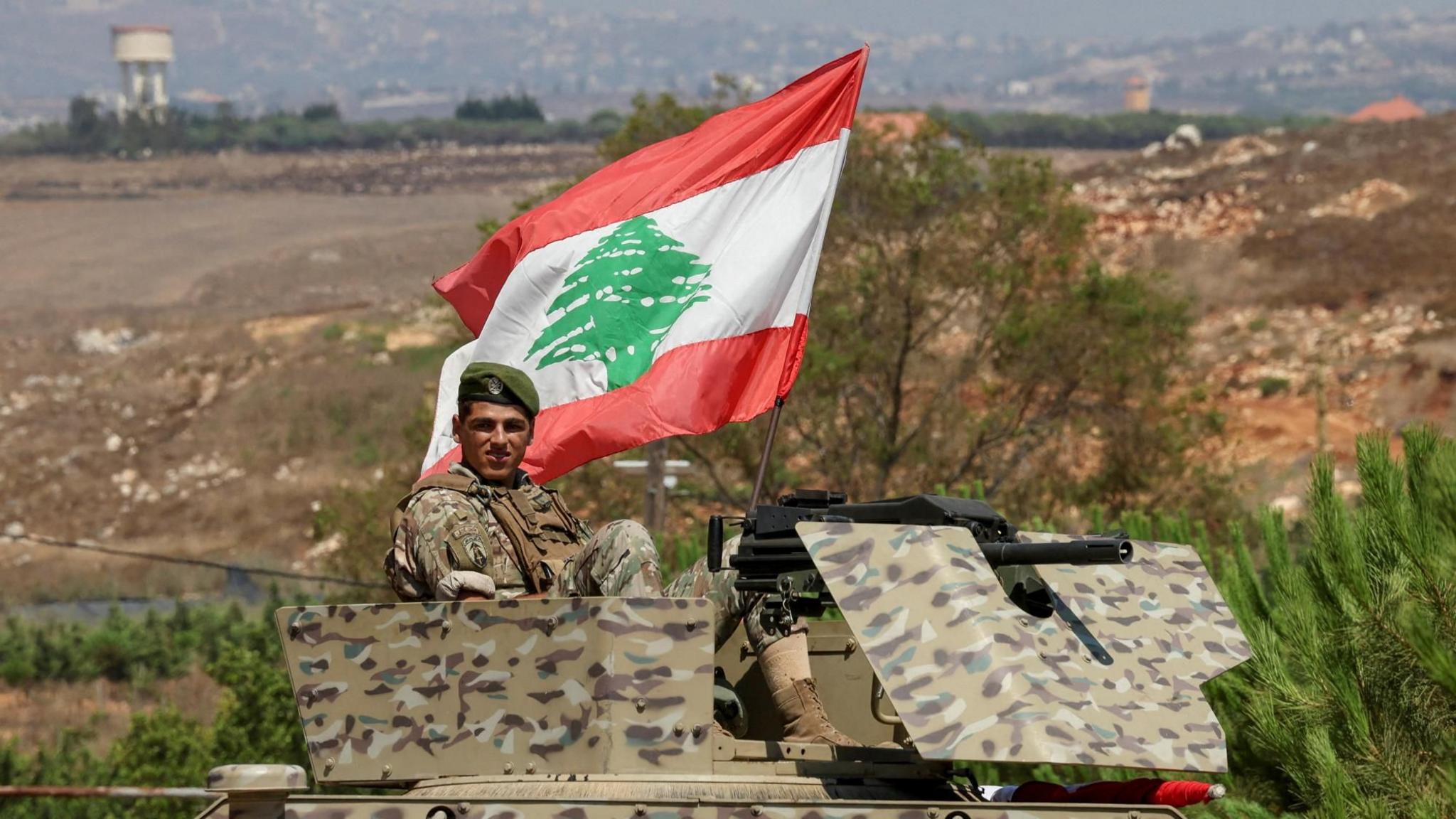
The Lebanese army has begun to deploy troops into a newly defined pilot zone in the south of the country after Israeli forces stepped back following a United States mediated ceasefire announced last month. The first units entered the village of Zawtar al‑Gharbiyeh in the Nabatieh district on Tuesday morning.
The pilot zone is intended to replace the area that Israel occupied during its invasion of southern Lebanon in March. In addition to the withdrawal of Israeli forces, the agreement stipulates a disarmament process that will see Hezbollah expelled from control over the region. The Israeli military confirmed the plan on Monday night, marking the start of a series of withdrawals from the territory it captured last year.
The realignment occurs ahead of a meeting between United States President Donald Trump and Lebanese commander Joseph Aoun in Washington. Aoun is expected to request that the United States continue to pressure Israel to withdraw from the rest of southern Lebanon and to provide additional support to the Lebanese army so that it can take full control of the zones still under Hezbollah influence.
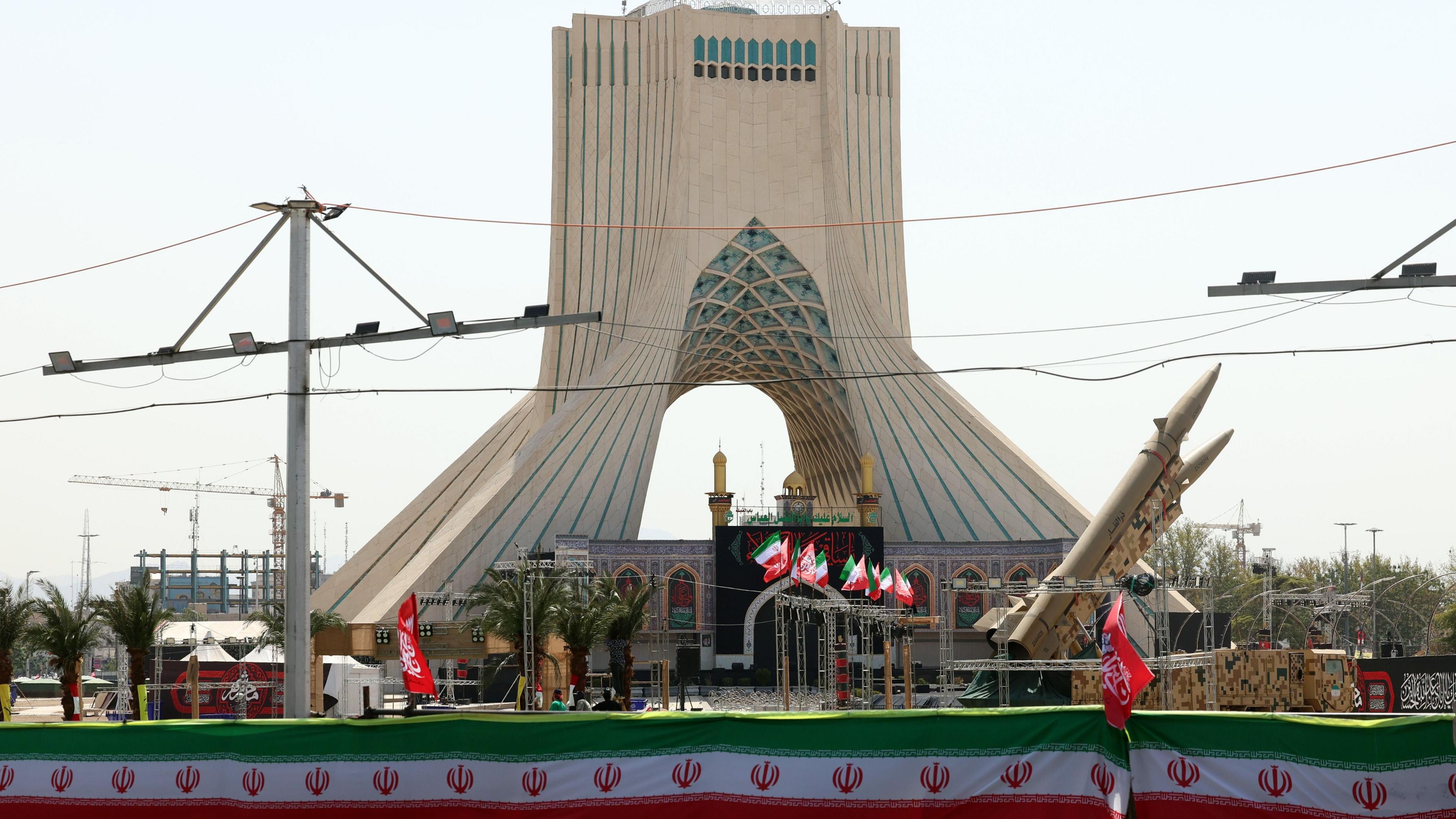
The root of the current crisis stems from a March 2 attack where Hezbollah fired rockets at Israel in retaliation for a strike that killed Iran's supreme leader. Israel responded with a bombing campaign and a ground offensive that captured a significant portion of southern Lebanon.
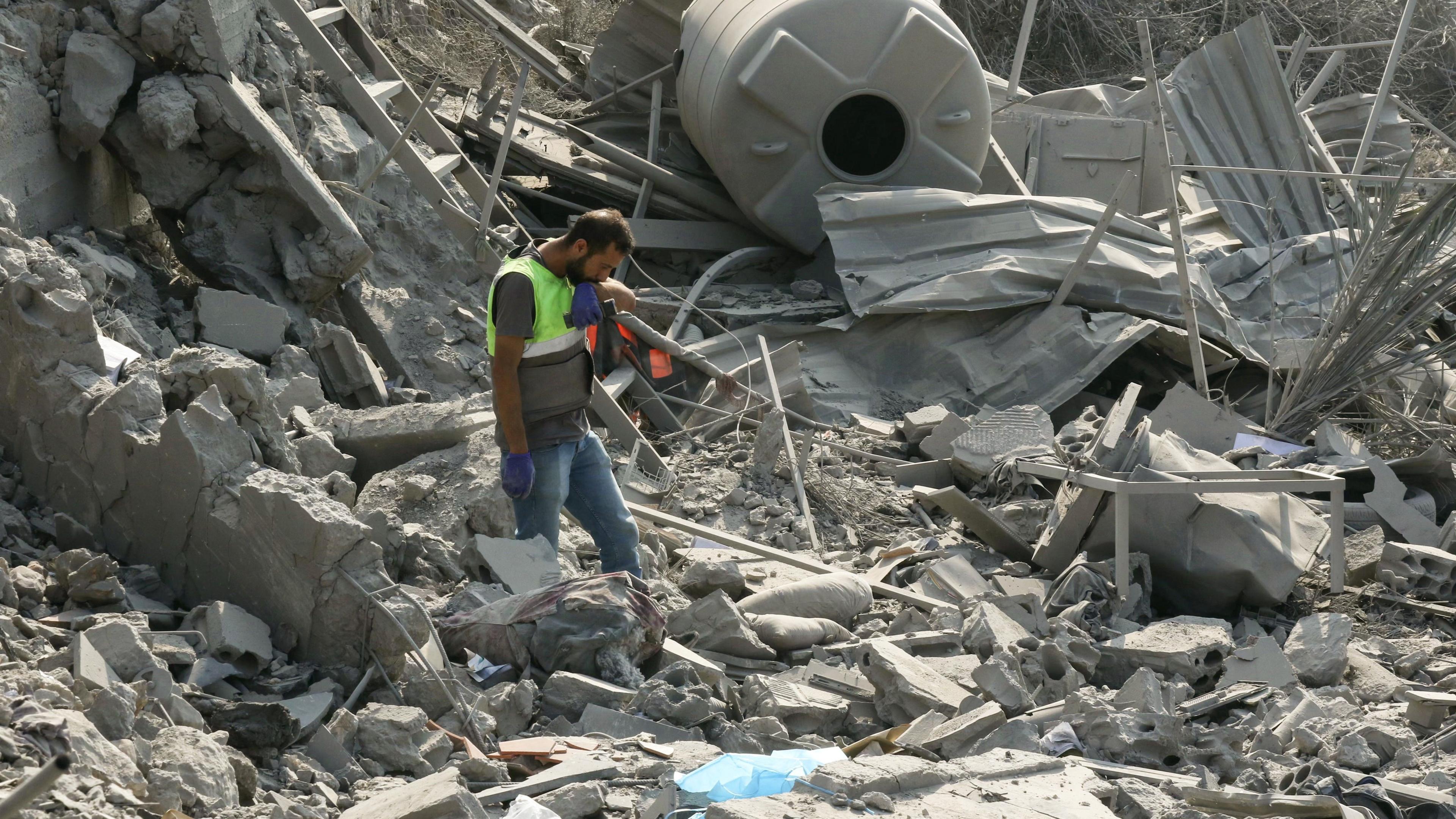
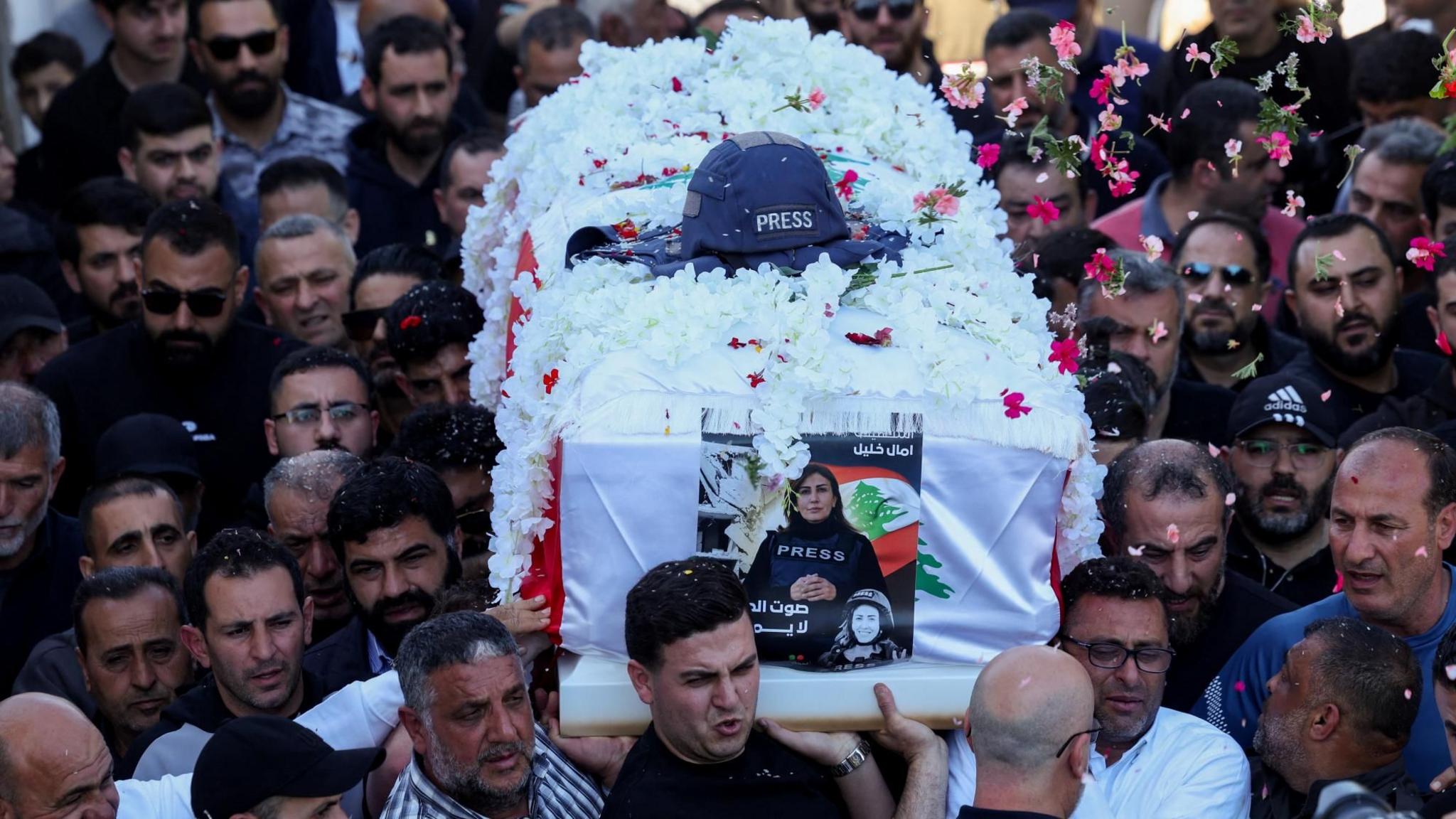
The health ministry reports that over 4,300 Lebanese, including nearly 800 children, women and medical staff, have lost their lives. Israeli sources report casualties of 37 soldiers and four civilians on both sides of the border during the battle.
The new deployment could become a cornerstone of a new security architecture in Lebanon as it moves toward greater autonomy in regions previously dominated by external military forces and paramilitary groups. Analysts warn that while the withdrawal brings hope, deepening cooperation between the Lebanese military and international partners will be essential to ensure lasting peace.
The Lebanese army’s entry into Zawtar al‑Gharbiyeh is a clear signal that negotiations, heavy losses and a recently concluded ceasefire are reshaping the political landscape. As the pilot zone expands, the international community will likely intensify its diplomatic engagement to solidify the gains made in reducing hostilities.