In brief
After a decade of strikes, Iran’s leadership sits at a crossroads over the Strait of Hormuz, a vital oil corridor that has become a bargaining chip in its conflict with the United States. The options range from yielding control to the Strait to isolating it, from pressing harder against U.S. forces to maintaining a state of tension without full‑scale war. Meanwhile, internal debates show a split between hardliners demanding ideological purity and pragmatists seeking economic relief. The domestic fallout is harsh, with citizens facing shortages and uncertainty, highlighting the human cost of geopolitical manoeuvring. As the international community watches, the question remains: who will decide Iran’s fate and how will the Strait shape regional stability?
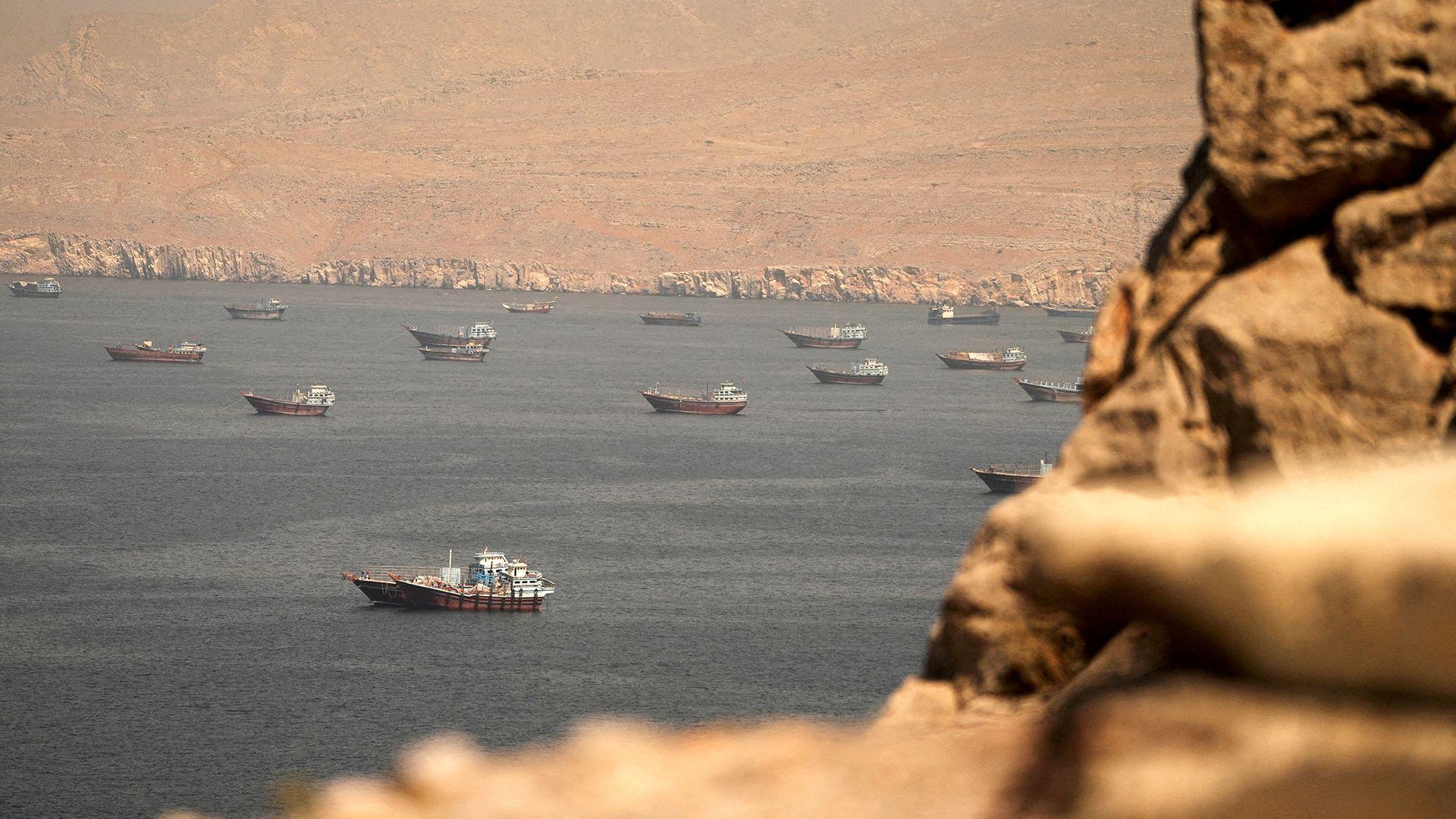
After ten days of strikes that rattled the world’s oil markets, Tehran sits at a crossroads. The Strait of Hormuz, a narrow waterway through which a third of global maritime oil flows, has become a leverage point in the Iran‑U.S. conflict. The Iranian leadership’s options are stark: concede the Strait and the nuclear licence for relief; ramp up attacks on U.S. interests hoping for a hard‑won security; or keep the tension alive but avoid blowing the system into war.
The Three Routes
1. Concession – Tehran would halt attacks, reduce its enriched‑uranium stockpile and accept watchdog inspections. In exchange, the U.S. would lift the naval blockade and give sanctions relief. This carries a political cost, as it signals compromise on Iran’s ideological bent and may embolden dissenters.
2. Escalation – Iran could intensify strikes on U.S. bases, shipping lanes and Gulf infrastructure, hoping higher energy prices force Washington into compromise. Yet a heavy‑handed attack could drag Gulf neighbours into coalition war, widening the conflict and risking an uncontrollable crisis.
3. Endurance – Maintain pressure on shipping and domestic markets without provoking full war. Pragmatists argue Iran can survive longer than the U.S.; hard‑liners would call it a display of resilience. However, sanctions, inflation and war damage gradually erode the populace’s tolerance.
Who Decides?
The decision sits above all rotating power swings: the supreme guard of religion, the elected president, the warring Revolutionary Guards, and influential parliamentary hardliners. With the sudden death of Ayatollah Khamenei and the emergence of his son Mojtaba, the balance is shifted. President Masoud Pezeshkian may favour economic stability, whereas Conservative councils fear a concession threatens ideological cohesion.
Public Perspectives
Citizens have lived through the disruption. A woman from Tehran described the devastating impact of a US strike that cut irrigation, electricity and water supplies. Others highlighted the instability of job markets after the strike, forcing academics to wait months for reemployment due to uncertain security. Despite their anger at the West, many poor people call for practical solutions to survive economic hardship.
The Strait’s fate will determine whether Iran can endure the war’s grind or is compelled to concede, reshaping its regional influence long after the conflict ends.