In brief
Lebanon’s parliament has approved a bill to abolish capital punishment, replacing it with life imprisonment and hard labour. The decision marks the country as the first in the Middle East to formally eliminate the death penalty. While Hezbollah’s bloc opposed the measure, the government already backs the legislation, sending it to the cabinet and President Joseph Aoun for final approval. The move comes after a de facto moratorium on executions since 2004 and follows years of advocacy by civil society groups.
A majority of MPs in Lebanon’s 128‑seat parliament approved a bill to abolish the death penalty on Tuesday, a move that would make the country the first in the Middle East to formally end capital punishment.
Hezbollah’s parliamentary bloc voted against the measure, but the government has expressed its support and the legislation will now move to the cabinet and President Joseph Aoun for signing.
Lebanon has not carried out an execution since January 2004, though death sentences were still handed down. Rights groups estimate that more than 78 people remain on death row.
Under the new law, the death penalty will be replaced by life imprisonment with hard labour. While hard labour is written into Lebanese law, it has rarely been enforced in recent years due to economic hardship and overcrowded prisons.
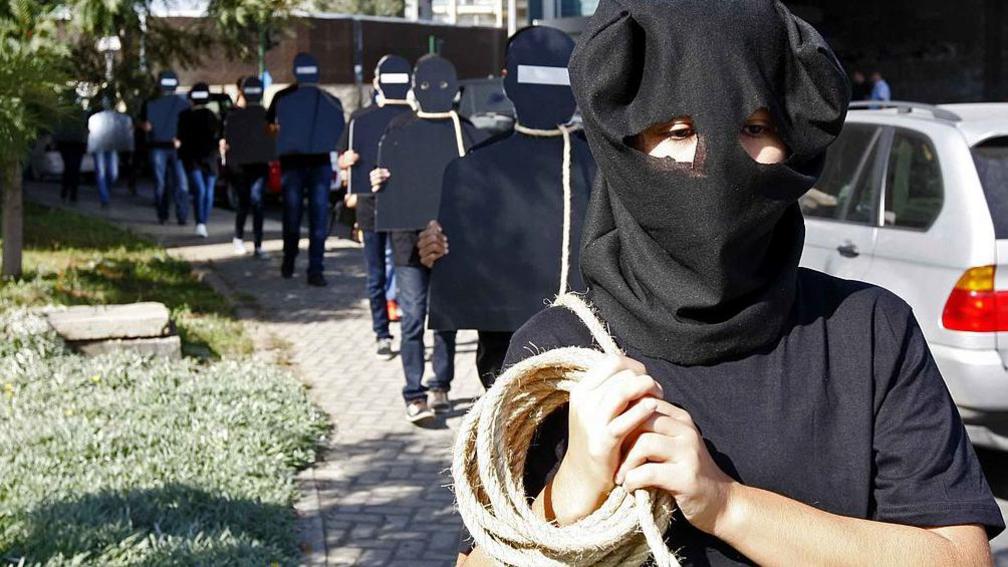
Civil‑society groups and lawyers have campaigned for years to remove capital punishment from Lebanese law. Oragit Younan, co‑founder of the Lebanese Association for Civil Rights, said the nation can fight for human rights even amid war, positioning Lebanon as a potential model for others.
The vote comes after two decades of a de facto moratorium on executions: a presidential decree would have been required for an execution, but none have been signed since 2004.
Historically, the death penalty could be imposed for aggravated murder, terrorism‑related crimes that caused death, treason, espionage and offences against state security. Previous attempts to abolish capital punishment failed, including proposals in 2004 and 2008.
Lebanon’s action contrasts with other Middle Eastern countries where death penalty use remains contentious: Jordan resumed executions in June after a long hiatus, Israel expanded circumstances for capital punishment in May, and Iran continues executions for national security charges.