In brief
Kenya has confirmed a second fatal Ebola case, ten days after the country’s inaugural death from the virus. The new patient, a 39‑year‑old relative of the first victim, fell ill while already in quarantine, allowing health officials to detect the disease early and curb further transmission. The Ministry of Health stressed that both cases are connected and that no community spread has yet been observed. With the outbreak in the Democratic Republic of Congo showing over 4,000 deaths this year, Kenyans are urged to remain calm yet vigilant.
Kenya has confirmed a second case of Ebola, ten days after a businessman died of the virus following a journey from the Democratic Republic of Congo (DRC).
The new patient, a 39‑year‑old man, is a close relative of the first case and was already under quarantine when symptoms first appeared. The health ministry said that early detection has improved his chances of recovery and limited the risk of further spread.
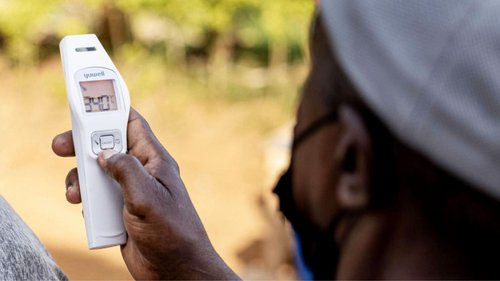
Ebola’s incubation period ranges from two to 21 days, so exposed individuals may not show symptoms for weeks. Outside of the two confirmed cases, the ministry added there is no evidence of community transmission.
The first victim died on 5 October after being admitted to a Nairobi hospital. He had travelled from the DRC via Uganda without the illness being detected. Officials identified 128 contacts, 113 of whom have now been traced and 108 placed in quarantine, with ongoing tracing of the remaining 15.
The current outbreak in the DRC has claimed over 4,000 lives this year, making it the second deadliest Ebola epidemic on record. It is caused by the Bundibugyo species, for which no approved vaccine or treatment exists, although trials are underway.
Source: BBC News Africa – Read full article