The Fallout of a Five‑Week Protest
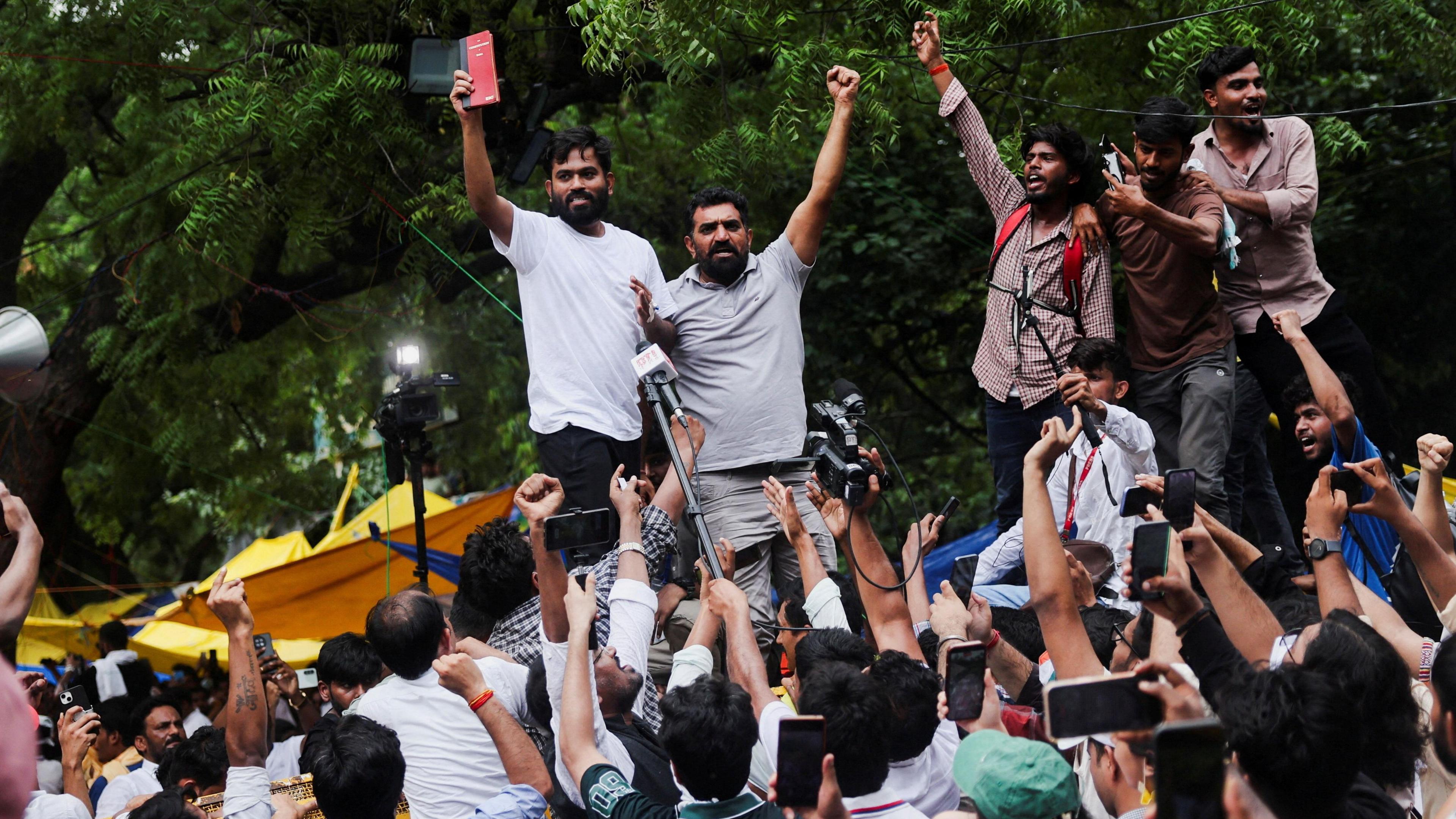
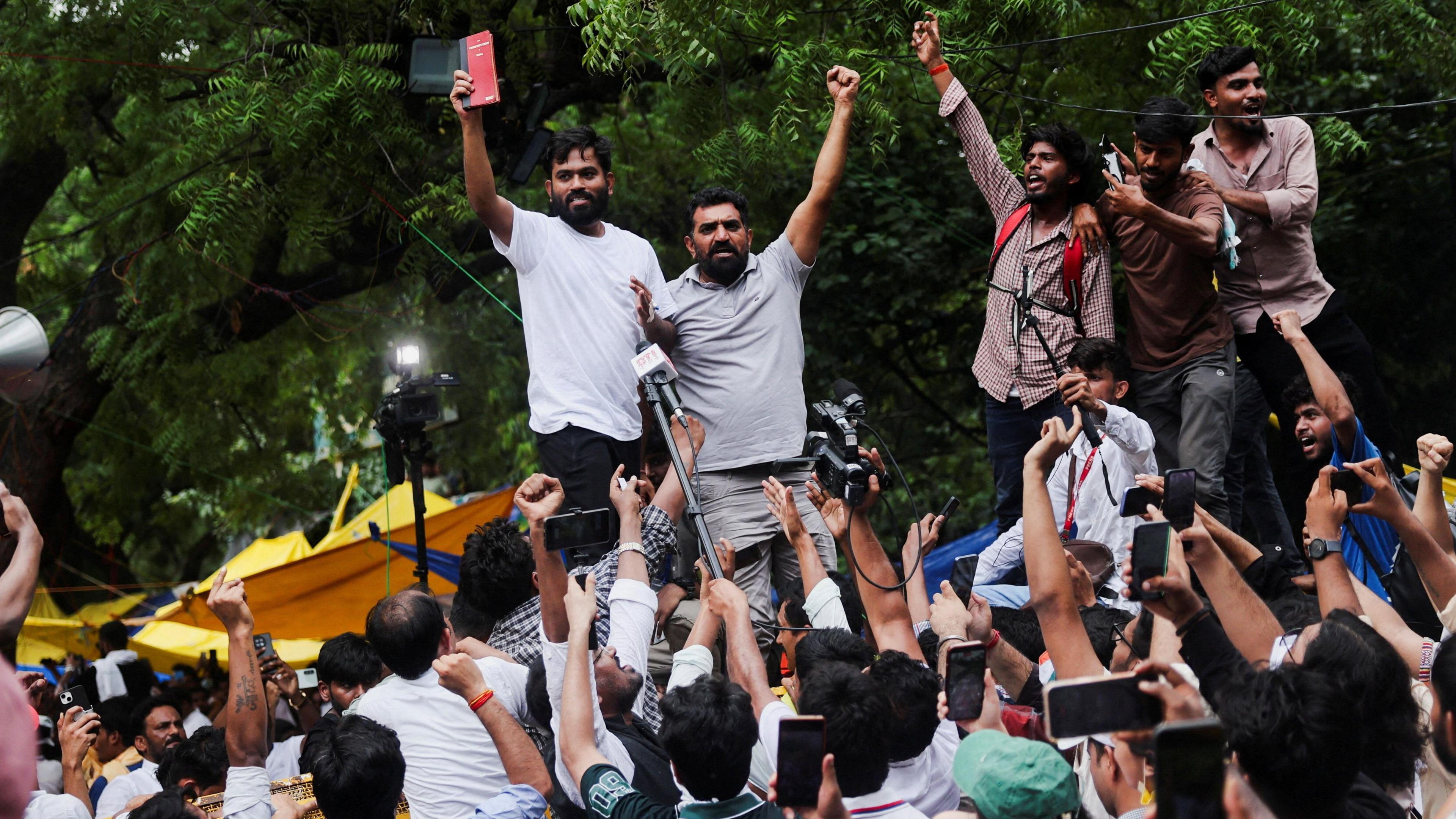
India’s satirical Cockroach Janta Party (CJP) declared the end of its march on Jantar Mantar, Delhi, just hours after Education Minister Dharmendra Pradhan announced his resignation on X. In an emotional stand‑up with the protest’s makeshift stage, founder Abhijeet Dipke shouted, "We have done it," while crowds erupted in cheers and celebratory dance.
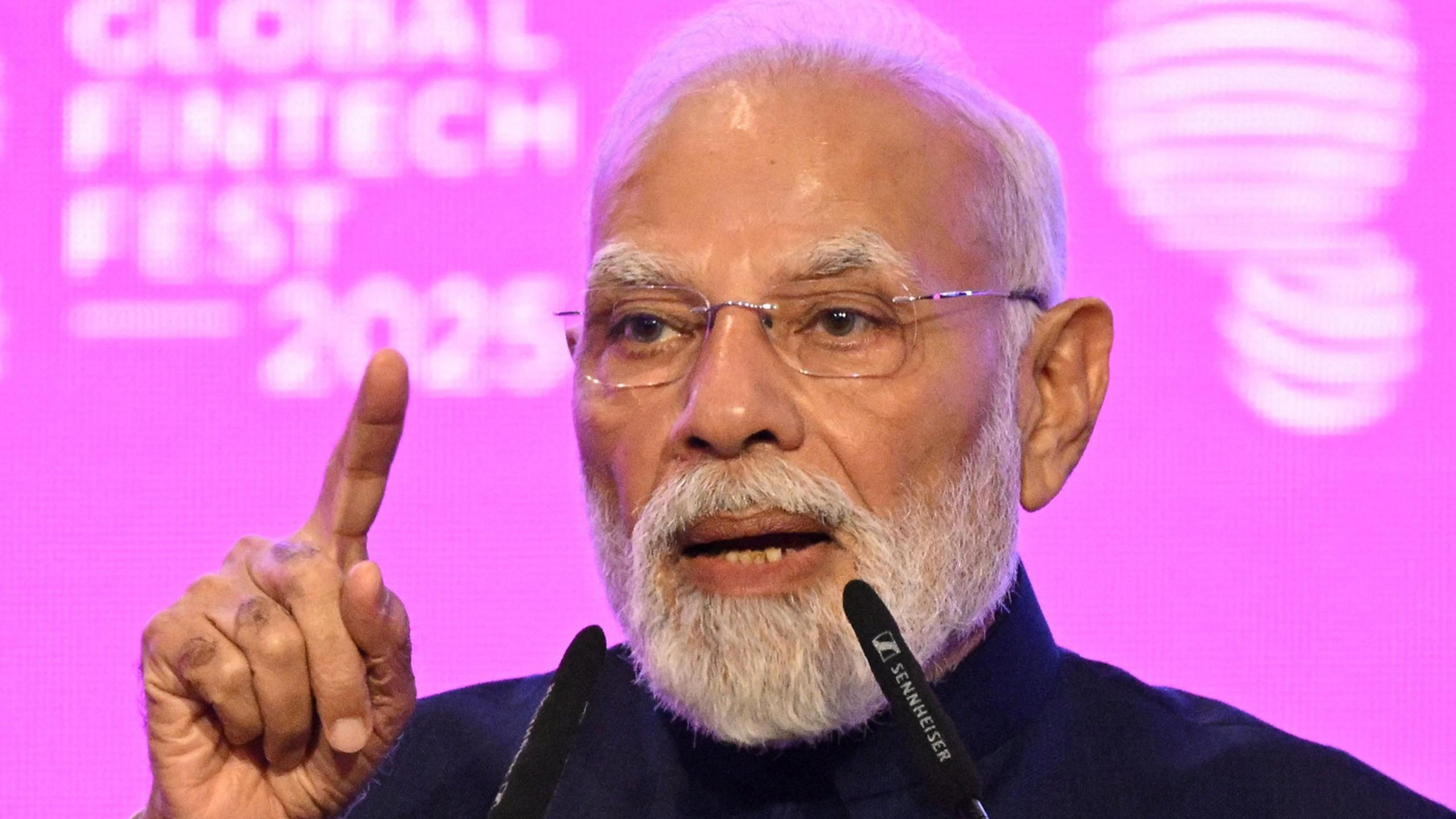
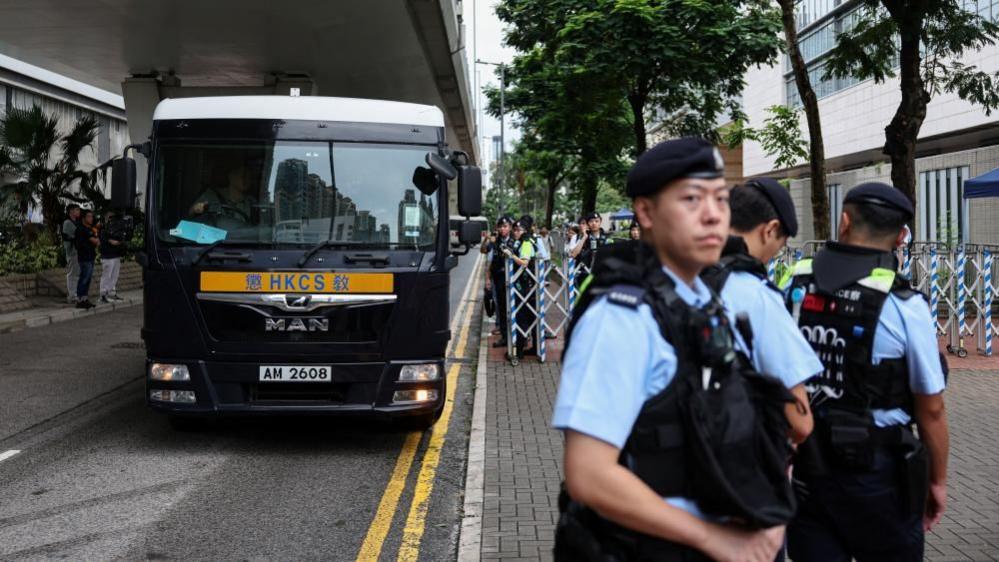
The protest, which began as a response to leaked NEET exam notes and student suicides, turned into the most visible dissent face‑to‑face with Prime Minister Narendra Modi’s government in years. A police crackdown on Monday, firing tear gas and using batons, resulted in dozens of injuries and heightened the urgency for reform.
Reactions from the Movement and the Mughal Times
After the minister’s resignation, Dipke said the fight was not over, pledging to continue demanding compensation for families of students who tragically took their own lives after a key medical exam was cancelled. He urged supporters to keep pressuring police officers accused of excessive force and reminded the public, "Remember, do not mess with the cockroach.”
Support from opposition leaders and high‑profile activists such as Sonam Wangchuk, who had joined the protest’s hunger strike, gave the movement tangible credibility. Opposition MPs welcomed the resignation as a concrete victory for youth‑led activism.
Background: From Mockery to Mobilisation
The CJP formed after a judge in India compared unemployed youth to cockroaches, sparking a meme that evolved into a symbol of resilience. Led by Dipke, a former Boston University student, the movement amassed over 26 million Instagram followers, campaigning for exam reform and accountability of the government’s handling of leaked papers.
The movement’s escalation coincided with a crackdown that saw 70 protesters arrested, though most were later released on bail. The incident prompted Modi to promise fast‑track courts to punish exam‑leak conspirators.
The Future of Youth Activism in India
Even as the CJP’s protest ends, Dipke and supporters are set to keep pushing for systemic changes in India’s exam system and the protection of student futures. The resignation of Pradhan signals a rare concession in a government that has historically been quick to clamp down on dissent.
The movement’s conclusion does not signify the end of the fight, but rather a pivot, as the youth-led protests continue to seek reforms that safeguard academic integrity and safeguard future generations from academic fraud.