In brief
A significant glacier has blocked the primary route to Mount Everest's summit, causing delays as climbers currently acclimatise at Base Camp. With only a temporary remedy expected — the natural melting of the serac — concerns of summit queuing have heightened among climbers eager to utilize the limited optimal weather conditions ahead.
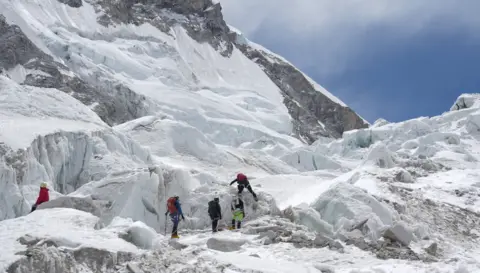
As the climbing season at Mount Everest gets underway, climbers are facing a setback due to a large and unstable glacier blocking the route from Base Camp. The serac, a heavy block of ice around 100 feet in height, sits just beneath Camp 1, preventing 'icefall doctors' from preparing the climbing route. Their only option for overcoming this obstacle is waiting for the ice to melt, which is hoped to happen in a few days.Climbers like Purnima Shrestha, who is acclimatising for her sixth attempt to summit Everest, have expressed concerns that delays could lead to dangerous climbing traffic as the weather window for safe summiting is typically brief. The climbers usually navigate between Camps I, II, and III during their acclimatisation process, but the blockage has complicated these logistics.The team responsible for route preparation, affiliated with the Sagarmatha Pollution Control Committee, normally completes route fixes by now. Due to the glacier's unexpected obstruction, they’ve yet to reach Camp 3. In light of the delays, Nepal's Department of Tourism is considering airlifting teams and resources higher up the mountain to expedite route opening for this year's climbing season.Despite the challenges posed by the recent geopolitical climate, interest in climbing Everest remains high with 367 climbing permits already issued, primarily to climbers from China, as other avenues remain limited. However, with increased climbing fees and stricter regulations due to past traffic concerns, the climbing landscape continues to evolve in response to both nature and human dynamics.