
In brief
The German coalition has introduced new sick-leave regulations requiring employees to present a doctor's note on the first day of sickness and removing the option to obtain the certificate remotely. Chancellor Friedrich Merz insists that high sick‑day rates undermine German productivity, while the CDU‑SPD coalition argues the measure restores pre‑pandemic standards. However, national health‑care groups such as the KBV and the GP Association have described the mandate as a “border on madness”, warning that it would overcrowd doctors’ surgeries. SPD officials promise careful review, while the German labour market faces debate over how the reforms will affect workplaces and absenteeism. The rule forms part of a broader package of labour and pension reforms aimed at revitalising the German economy.
What the New Rules Mean
The government has removed the option for employees to receive a doctor’s certificate via phone or fax, forcing them to obtain a physical note on the first day of illness. The change is part of a broader package of tax, labour, and pension reforms aimed at restoring a pre‑pandemic framework and curbing what officials call disproportionate sick‑leave use.
Political Rationale
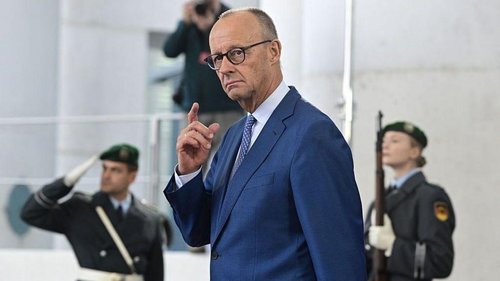
Chancellor Friedrich Merz blasted the current rate of sick days—around 18 days per worker per year—as unrealistic, arguing that the new rule would level the playing field for businesses and prevent competitive disadvantages.
The coalition of the Christian Democratic Union (CDU) and the Social Democratic Party (SPD) reached the decision after intense consultation with business groups, but federal Labour Minister Bärbel Bas said she would investigate whether the requirement genuinely reduces absenteeism or merely creates obstacles for legitimate recovery.
Medical Community’s Criticism
Germany’s national association of statutory health‑insurance physicians, the KBV, called the mandate "bordering on madness" for forcing thousands of workers to visit clinics. It warned that in‑person appointments would overcrowd practices and risk contagion, especially for mild symptoms.
The Association of General Practitioners echoed concerns, noting that short‑term illnesses that otherwise would not merit a full clinic visit would now be required, potentially clogging waiting rooms.
Political Responses
SPD leader and Vice‑Chancellor Lars Klingbeil said he was looking for "workable solutions" and promised a balanced approach in the coalition committee. Both parties displayed a fragile dance between economic prudence and worker welfare, with the former insisting that a high sick‑day culture undermines the German workforce.
Despite resistance, the CDU’s parliamentary group leader, Jens Spahn, defended the policy, highlighting that Germany already has one of the highest yearly sick‑day rates in the EU and that the reforms aim to protect firms from prolonged absences.
Broader Reform Package
This change is one element of a sweeping overhaul that includes tax adjustments, labour market tweaks, and pension system overhauls—all designed to rekindle growth and competitive edge in a post‑pandemic economy.
Further readings: Equal pay for disabled workers | Population decline and old divides in Germany