In brief
In the wake of last weekend’s violent protests, France is on high alert as police deploy 70,000 officers across the country. Despite restrictions and city‑wide bans, students, trade unionists and anti‑government groups are set to mobilise in Paris and other major centres. Mounting political tensions and upcoming elections amplify the stakes, while figures like Marine Le Pen and Jean‑Luc Mélenchon weigh in on the unrest. The government has promised tight security and punitive measures for those convicted of looting or violence, while journalists and citizen reporters gather to document the unfolding situation.
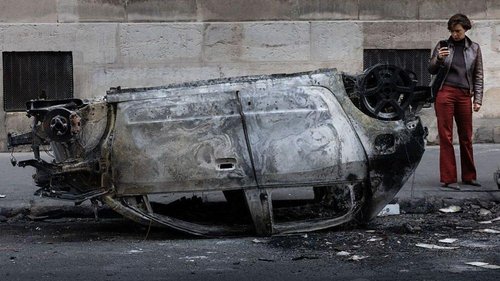
A week after a wave of violence that shook Paris, Lyon, and many other cities, French authorities have gone on high alert for an expected surge of protests this Saturday. Police will be deployed in 70,000 units, a move underscored by Interior Minister Laurent Nunez who vowed an “uncompromising” stance against vandals and looters.
Despite sweeping restrictions—only demonstrations organised by recognised trade unions will run, and several cities have imposed blanket bans—hundreds of thousands of demonstrators, from student groups to trade‑union marches, plan to converge on capital streets. Paris’ student union march will be rerouted to avoid city centre, but preparations for possible unrest continue, with museums like the Louvre closed and football fixtures rescheduled.
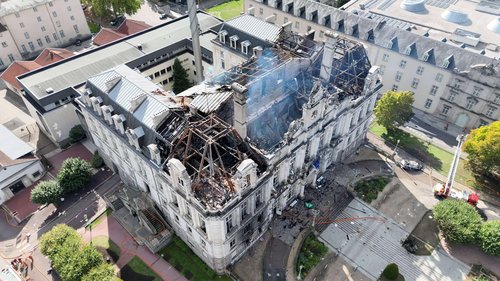
The unrest follows the now‑publicized 17 October riots in which shops were looted and historic buildings, such as the Limoges town hall, were torched. Justice Minister Gérald Darmanin confirmed that 232 people have been convicted, while over a thousand appeared in court; many face bans on civic participation if found guilty of looting or assaulting police.
Political pressure is mounting as France approaches a potentially volatile election period. With President Emmanuel Macron’s term ending next spring, the split between right‑wing National Rally and left‑wing La France Insoumise could dictate the national mood. Both parties blame Macron and his ministers for the disorder, citing heavy policing and restrictive measures.
On Friday, Macron met with student group representatives, promising commitments but urging continued mobilisation. Meanwhile, the revived Gilets Jaunes (Yellow Vests) movement, co‑operating with anti‑government factions, plans to add its voice to Saturday’s calls for resignation and deeper reforms.
As cities oscillate between curfews, bans, and sanctioned marches, French citizens returning to their routines find themselves surrounded by police, barricades, and a palpable sense of unease. For many, the nation’s future now hinges on how this storm of protests, politics, and policing will culminate.