In brief
Riots, looting and vandalism erupted in French cities over the weekend, following student protests over school conditions. Politically the unrest has expanded into broader social grievances, raising concerns about public stability. Prime Minister Sébastien Lecornu authorised partial curfews in hotspots to safeguard lives and property. BBC Paris correspondent Hugh Schofield argues that the widespread violence signals heightened tensions that could shape the forthcoming national elections.
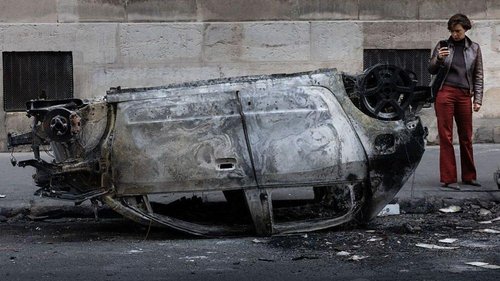
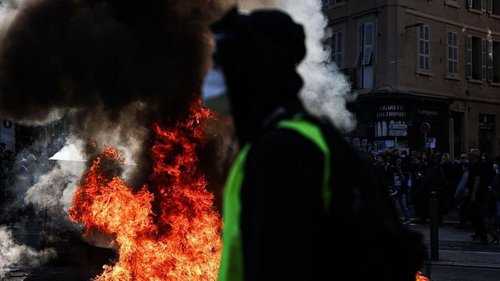
Over the weekend, cities and towns across France erupted in rioting, looting and vandalism as protestors took to the streets in a wave that followed last month's students’ sit‑ins over school conditions.
What began as local grievances quickly broadened into a larger demonstration of discontent with the state, touching on issues from public services to economic inequality.
Prime Minister Sébastien Lecornu announced that local authorities would be empowered to impose a partial curfew in affected areas to protect both people and businesses.
BBC Paris correspondent Hugh Schofield analyses the spill‑over effect of the violence, arguing that it could foreshadow a highly contested climate ahead of France’s upcoming national election.

© BBC News. All rights reserved.