In brief
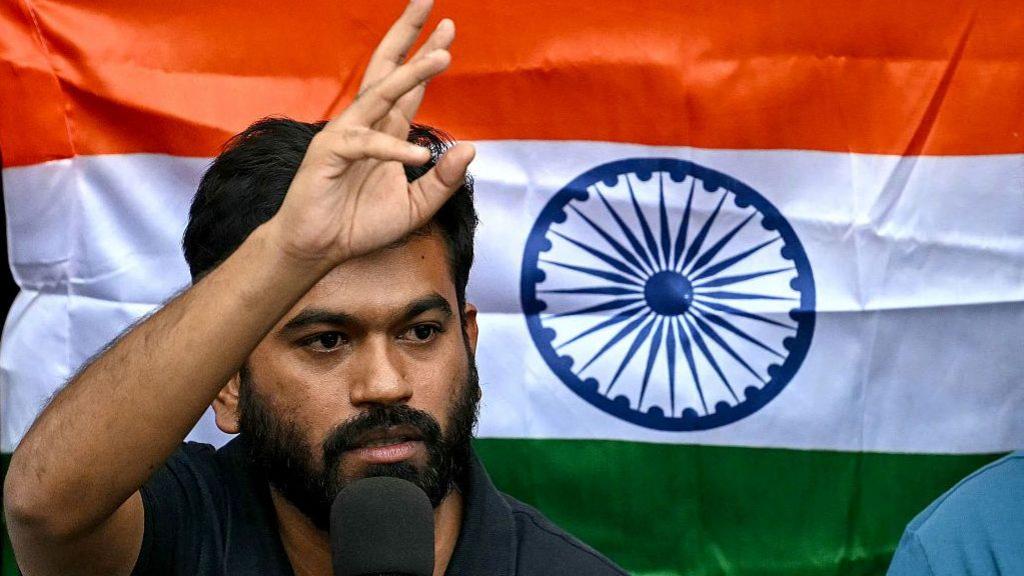
The founder of India’s emergent Cockroach Janta Party, Abhijeet Dipke, was detained by Delhi police as a protest march was to take place in Connaught Place. Police had warned against the gathering and lined up hundreds of officers across the capital. Dipke’s movement, which rose to prominence after a chief justice insulted youths, demands the resignation of Chief Election Commissioner Gyanesh Kumar over alleged voter‑roll manipulation. The crackdown also saw journalists and students hauled away, sparking accusations that the state was slipping back into emergency‑era suppression. Dipke’s detention follows a similar seizure of his plane earlier in the week, highlighting a growing standoff between the protest movement and security forces.
The founder of India’s emerging "cockroach" protest movement, Abhijeet Dipke, was seized by Delhi police moments before a march was set to begin in Connaught Place.
Police had issued a warning against the rally, deploying thousands of officers across the city to block the gathering and prevent disorder.
The youth‑led Cockroach Janta Party (CJP) seeks the resignation of Chief Election Commissioner Gyanesh Kumar, alleging that a sweeping revision of electoral rolls has wiped that many names from the register.
Dipke’s detention follows a similar seizing of his plane last weekend; the aircraft landed in Delhi only to have him taken away before a planned demonstration could start.
Opposition politician Anish Gawande questioned the grounds for Dipke’s arrest, calling the seizure of a lone man carrying a flag a “joke”.
During the night, police surrounded Dipke near his home, forced him into a police car and, despite attempts by his supporters to block the vehicle’s departure, he was taken away. He was released the next day after agreeing to maintain peace.
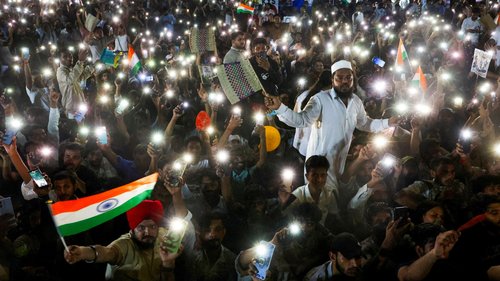
While the CJP attempted to rally at Central Park, police closed the venue for “administrative reasons” and redirected supporters to a smaller area, urging them to unfurl the flag in small groups and disperse.
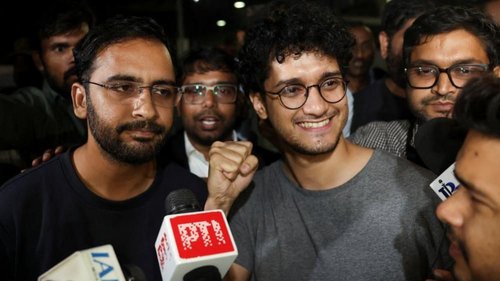
The crackdown saw dozens of participants—including journalists and students—detained, many hauled onto buses and pushed into waiting vehicles. Video footage captured a policeman slapping a protester inside a bus, an act the authorities have not clarified.
The scale of the operation has drawn criticism from the CJP, which likened the police action to India’s Emergency years (1975‑77) when civil liberties were suspended.
Police have defended the measures as necessary to maintain public order and prevent unauthorized gatherings, while the CJP insists that the Indian flag remains protected.
After the police raid, the central government removed Jantar Mantar—traditionally a venue for dissent—from approved protest sites, designating three new locations. The move was portrayed as an effort to control the visibility of demonstrations.
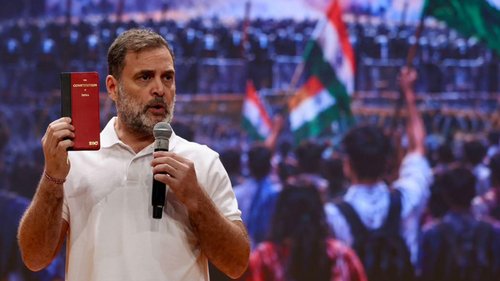
Meanwhile, national opposition parties, including Rahul Gandhi’s leadership, have joined the protests, charging the Election Commission with favouring the ruling party. They have staged marches to the commission’s headquarters and even approached the Supreme Court to seek redress.
Home Minister Amit Shah has responded by accusing opposition leaders of spreading falsehoods about the voter-verification exercises and reaffirming the independence of the Election Commission.