Devastating Wildfires in France and Spain: Maps, Numbers, and Tactics
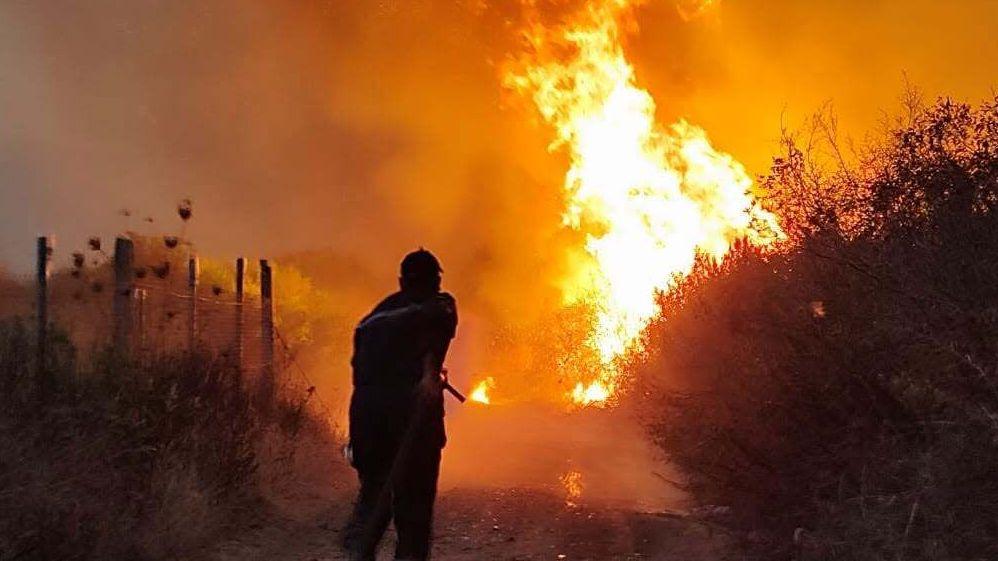
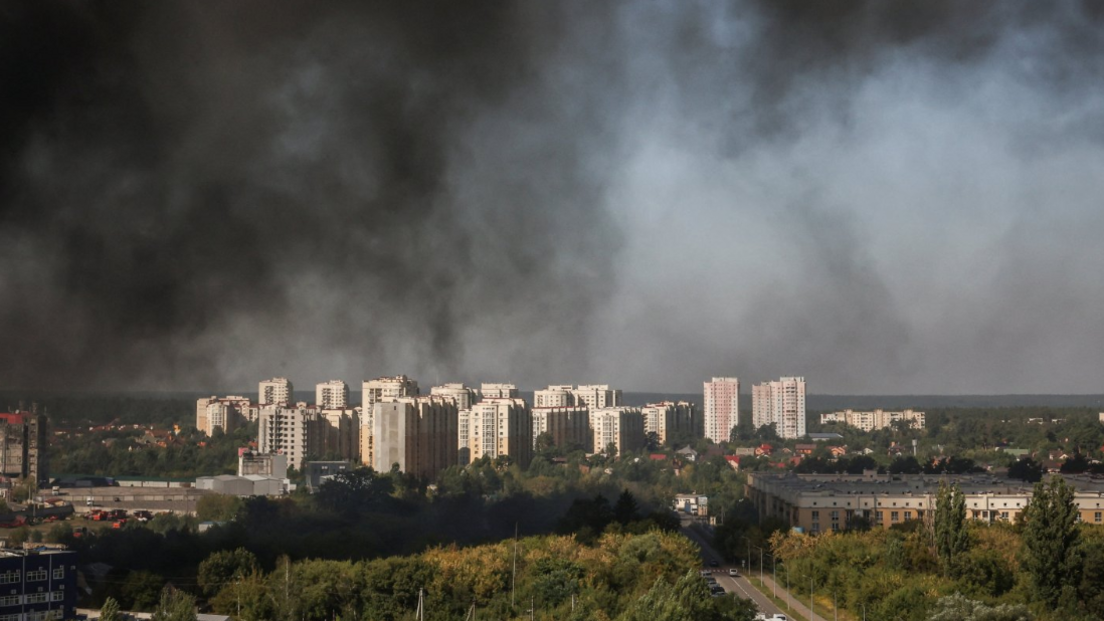
A summer heatwave that saw temperatures surpass 40°C across Europe is leaving a trail of scorched landscapes in France and Spain. Over 300,000 residents have been forced to flee and more than 162 square miles of land have been consumed by flames around Bordeaux, France’s wine‑rich region. Spanish officials describe this summer’s blaze as the worst in Madrid’s history.
The Scale of the Disaster
Reports indicate the fires in Gironde have burned an area 420 km²—roughly four times the size of Paris—in less than four days. The wildfire now threatens to reach the suburbs of Bordeaux within 15 km of the city center. Satellite imagery shows extensive scorch marks and inland smoke plumes.
Fire Risks to Critical Sites
The blaze has endangered military factories, missile production sites, and hazardous chemical processing plants. The flames are also threatening local forests and farmlands which are key to France’s wine production.
Fire Suppression Tactics in France
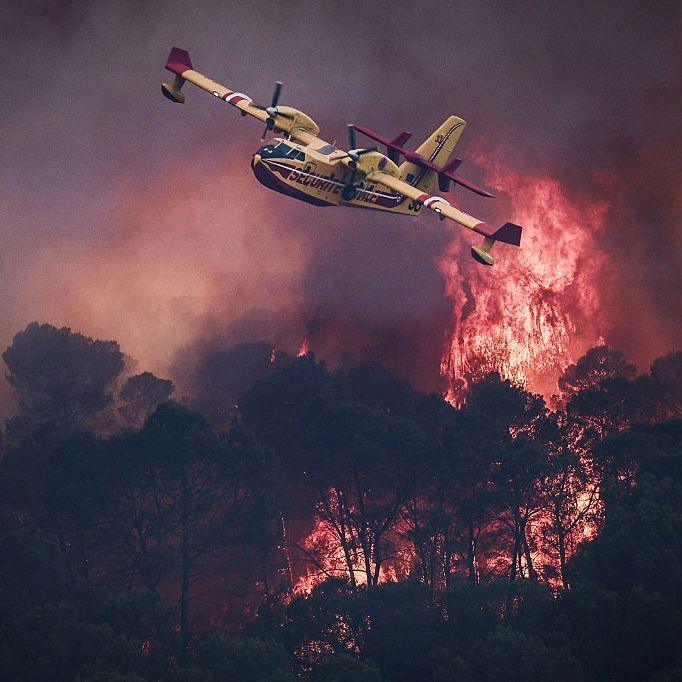
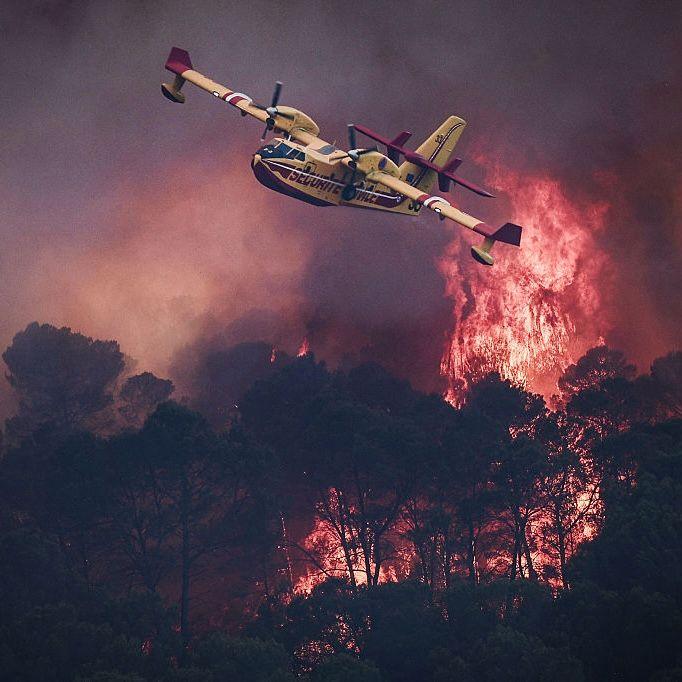
French firefighters have employed a coordinated air‑ground approach—including planes loaded with fire retardant and Canadair aircraft that can lift 6,000 litres of water in 12 seconds. Patrols fly over high‑risk zones before fires are reported, dropping retardant within minutes of sighting a flare. Ground crews slash firebreaks up to 100 m wide using bulldozers, diggers, and mechanical shovels to cut off fuel.
A total of 2,500 firefighters, 1,500 military personnel, and 1,200 police officers are in the field for Gironde alone.
Extreme Weather and Fire‑Generated Thunderstorms
The heat from the fires is creating rapid air lift that cools and condenses into clouds, potentially forming a cumulonimbus storm that can produce lightning—fueling new fires—and hail or rain.
Spain’s Response and Climate Forecasts
Spanish teams are mirroring French tactics, employing air‑borne retardant drops and ground firebreaks. Madrid’s delegate described the scale as unprecedented, citing climate change as an accelerant that increases fire intensity and spread speed.
Weather services predict a high‑pressure system that will bring increasingly dry, settled, and hot conditions, raising fears that the next week could exacerbate the situation.