Blazing Europe: The Worst Summer Fire Season of the Decade
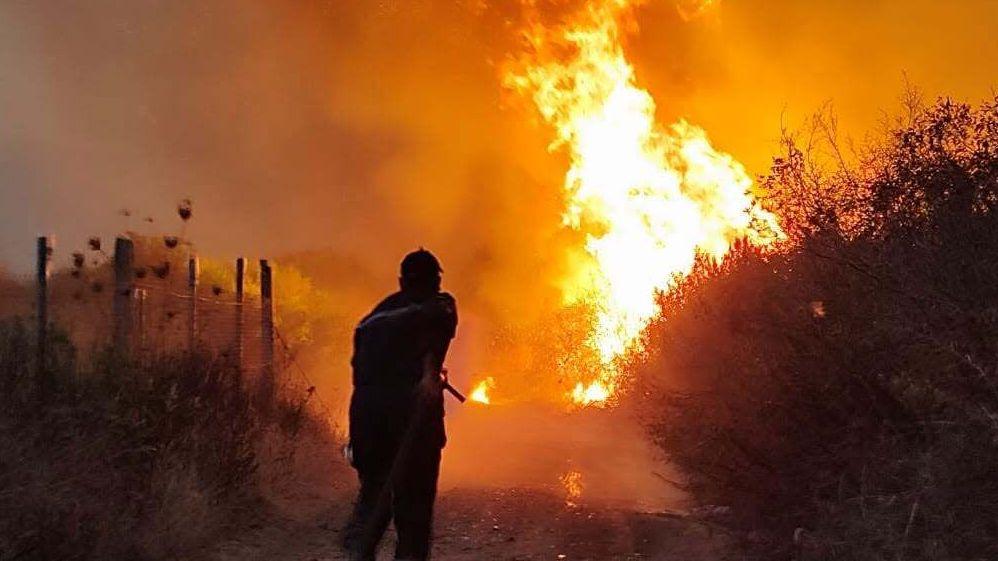
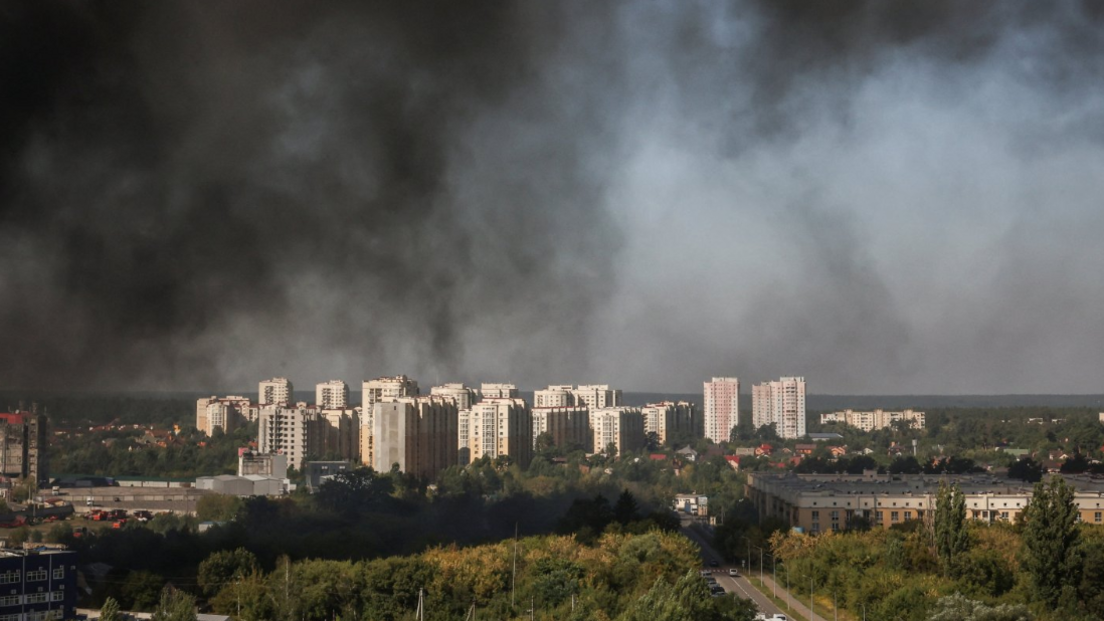
Wildfires are tearing through France and Spain, forcing more than 300,000 people to evacuate. France reports its worst fires in two decades, while Madrid’s officials say the blaze is the largest the country has seen.
Heatwaves across Europe—temperatures above 40°C—have created the perfect breeding ground for fires that spread at blistering speeds.
Gironde’s Inferno: Over 162 sq miles in Four Days
In the Bordeaux wine region, the blaze has burned roughly four times the area of Paris, and is now only 15 km south of the city. The fire threatens sensitive military and industrial sites, including facilities that handle ballistic missiles, rocket motors and hazardous chemicals.
Madrid Region Hits Record with 297 sq miles of Smoke
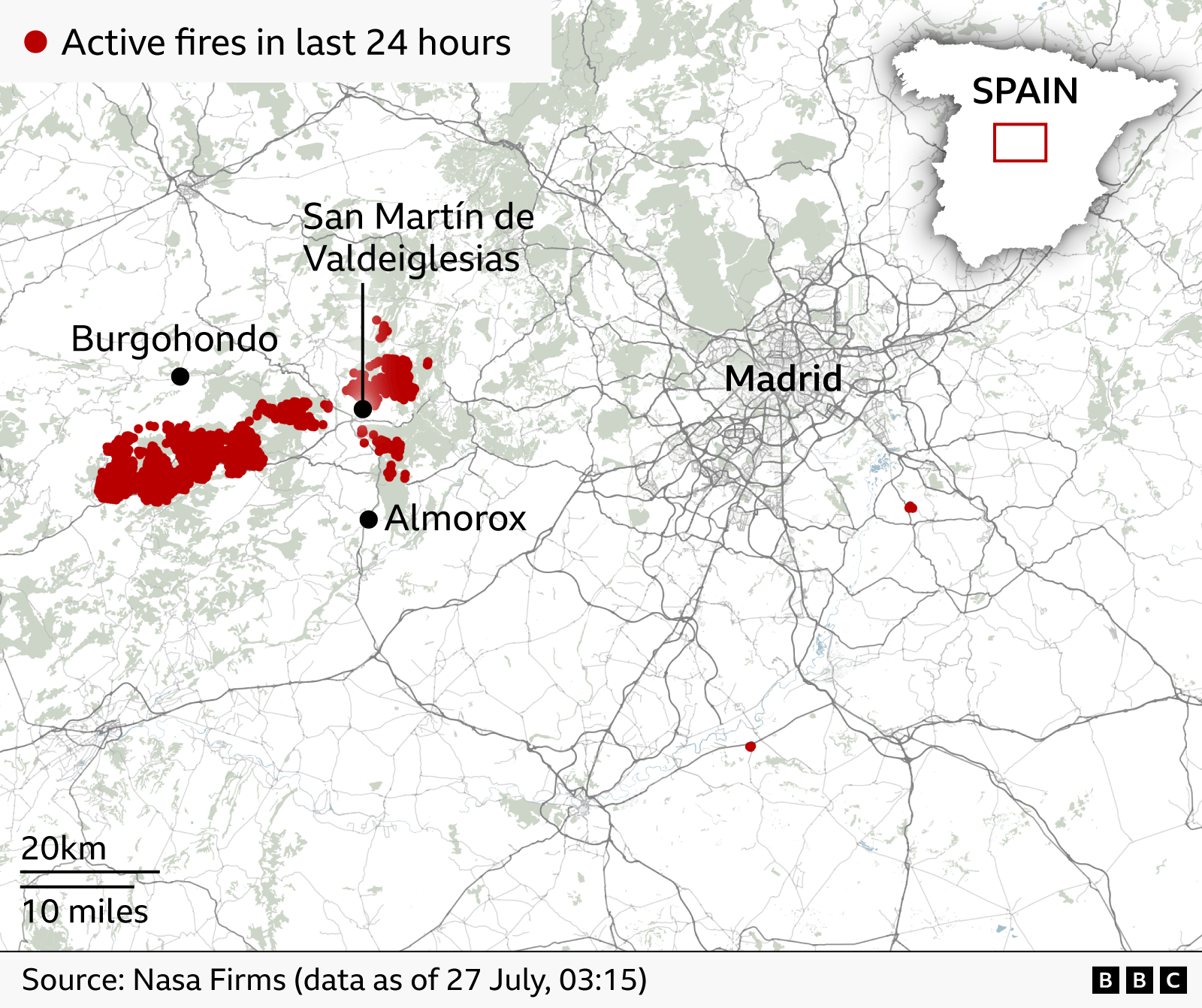
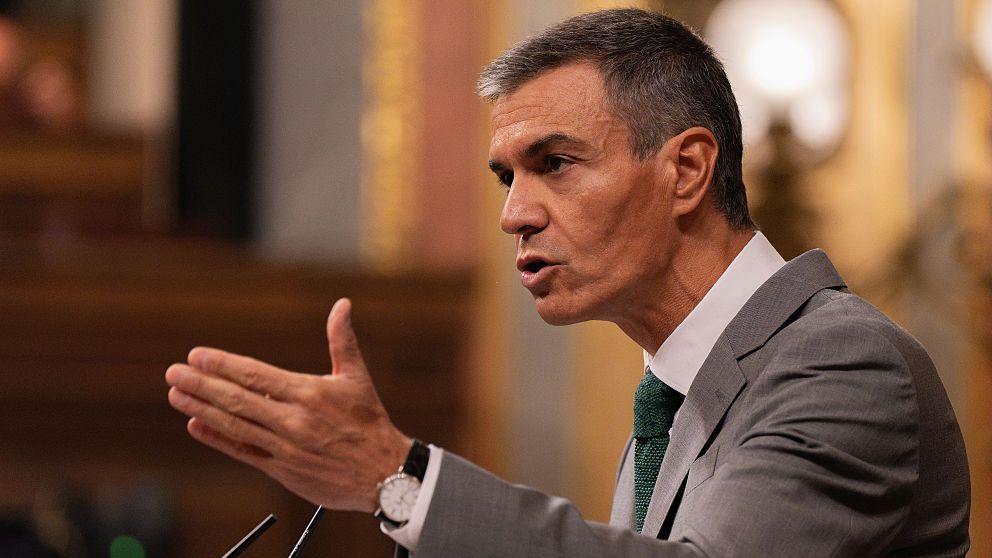
Separate fires around Madrid have burned an area larger than the capital itself, threatening infrastructure and tourist hotspots. Official Francisco Martin called them “undoubtedly the largest fire in the history of the Madrid region.”
Extreme Weather: The Fire‑Generated Thunderstorm
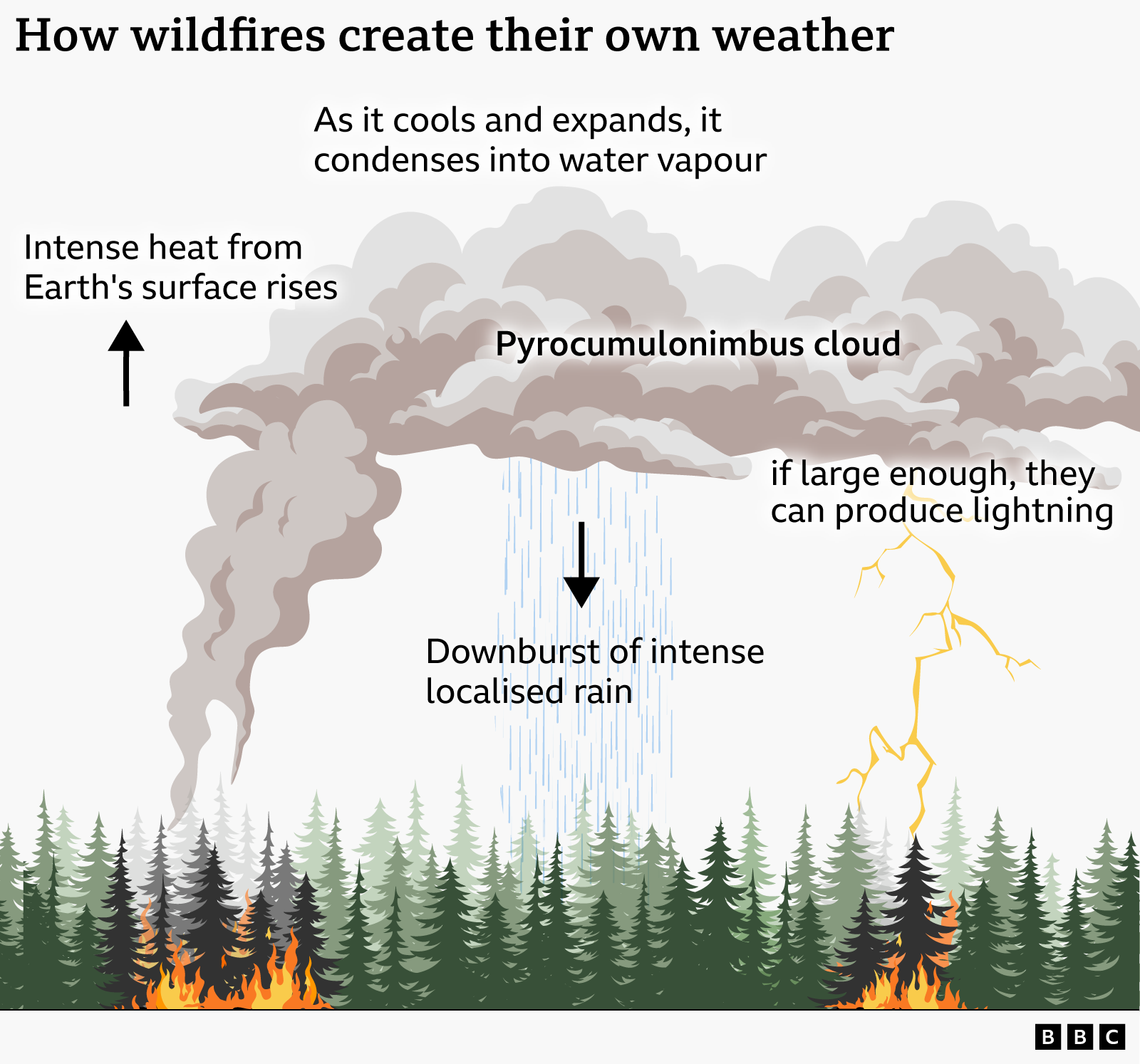
When lightning strikes fire‑generated thunderclouds, it can start new flames, while hail or rain can sometimes quell the blaze. These self‑amplifying conditions make the fires harder to contain.
Fighting Back: Aircraft, Ground Crew & Firebreaks
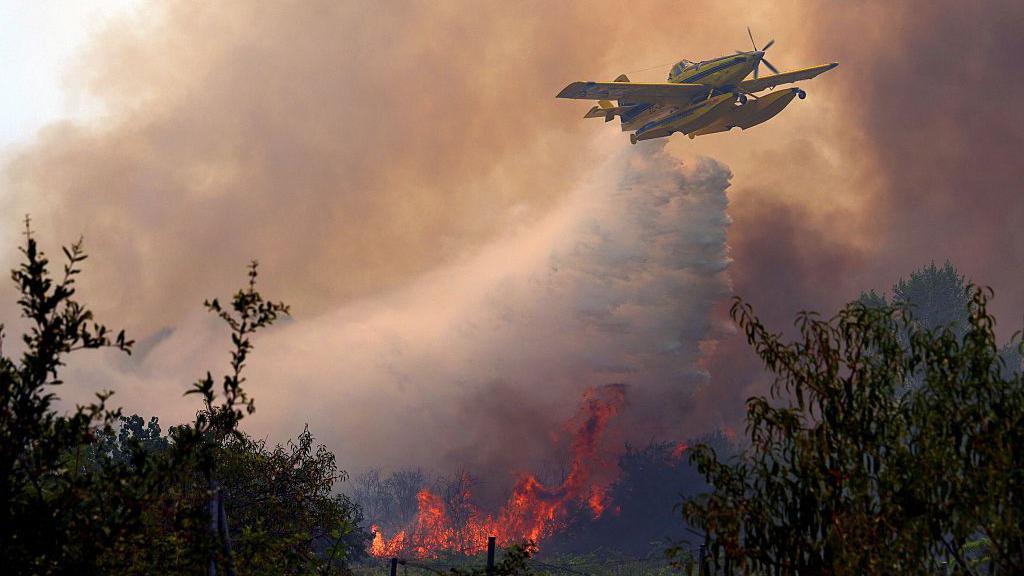
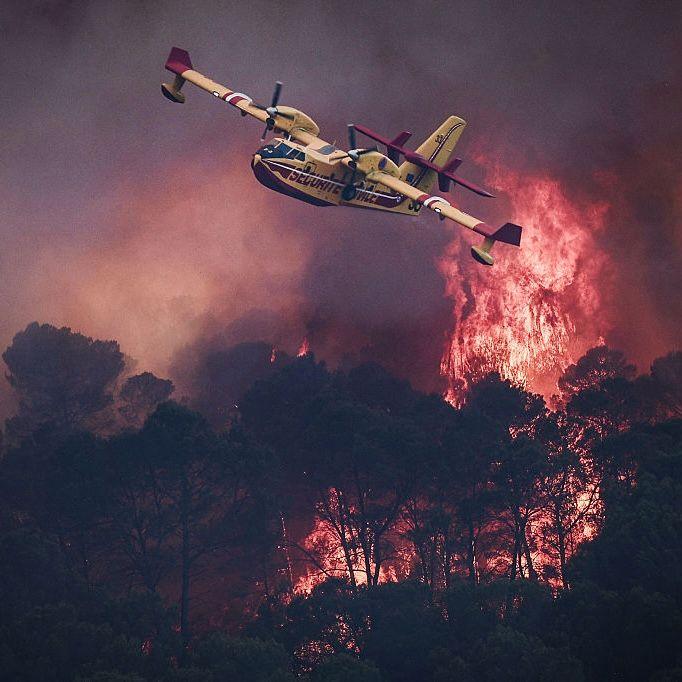
French firefighters use retardant‑laden planes, including the Canadair aircraft that scoops 6,000 litres of water super‑fast, and patrols high‑risk areas before fires are reported. Ground crews cut 100‑m wide firebreaks using bulldozers, diggers and shovels, especially in the Gironde, to prevent the fire from advancing.
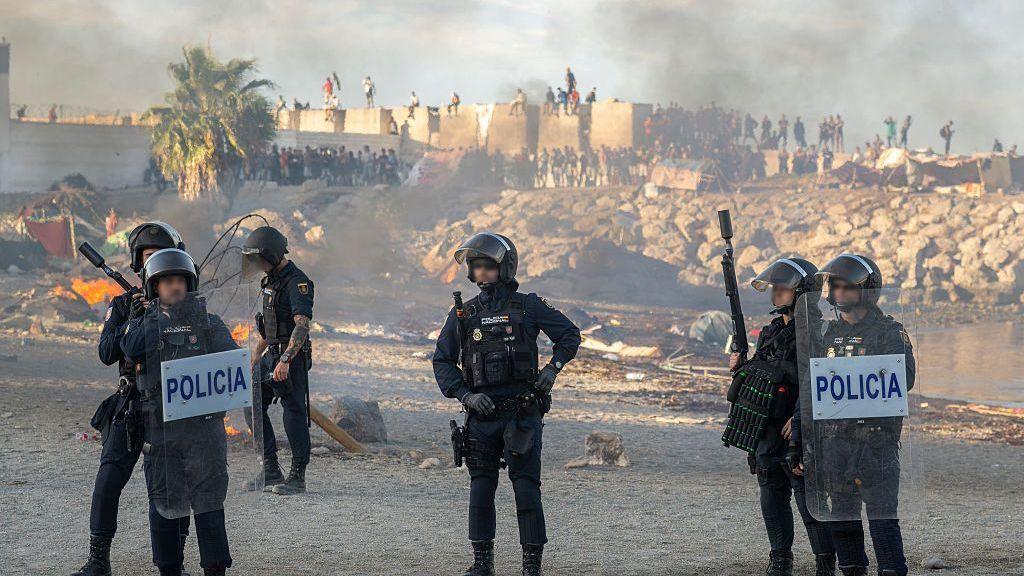
In Gironde, a combined force of 2,500 firefighters, 1,500 military personnel and 1,200 police officers has struggled to keep pace; officials report a shortage of people, trucks and supplies.
Climate‑Driven Heat and the Challenge Ahead
Climatologists warn that the summer’s hot, dry conditions, exacerbated by climate change, are making these fires spread more fiercely and unpredictably. Forecasts predict a high‑pressure system that could bring even drier, hotter temperatures, raising the risk for flash‑floods and additional blazes.