
In brief
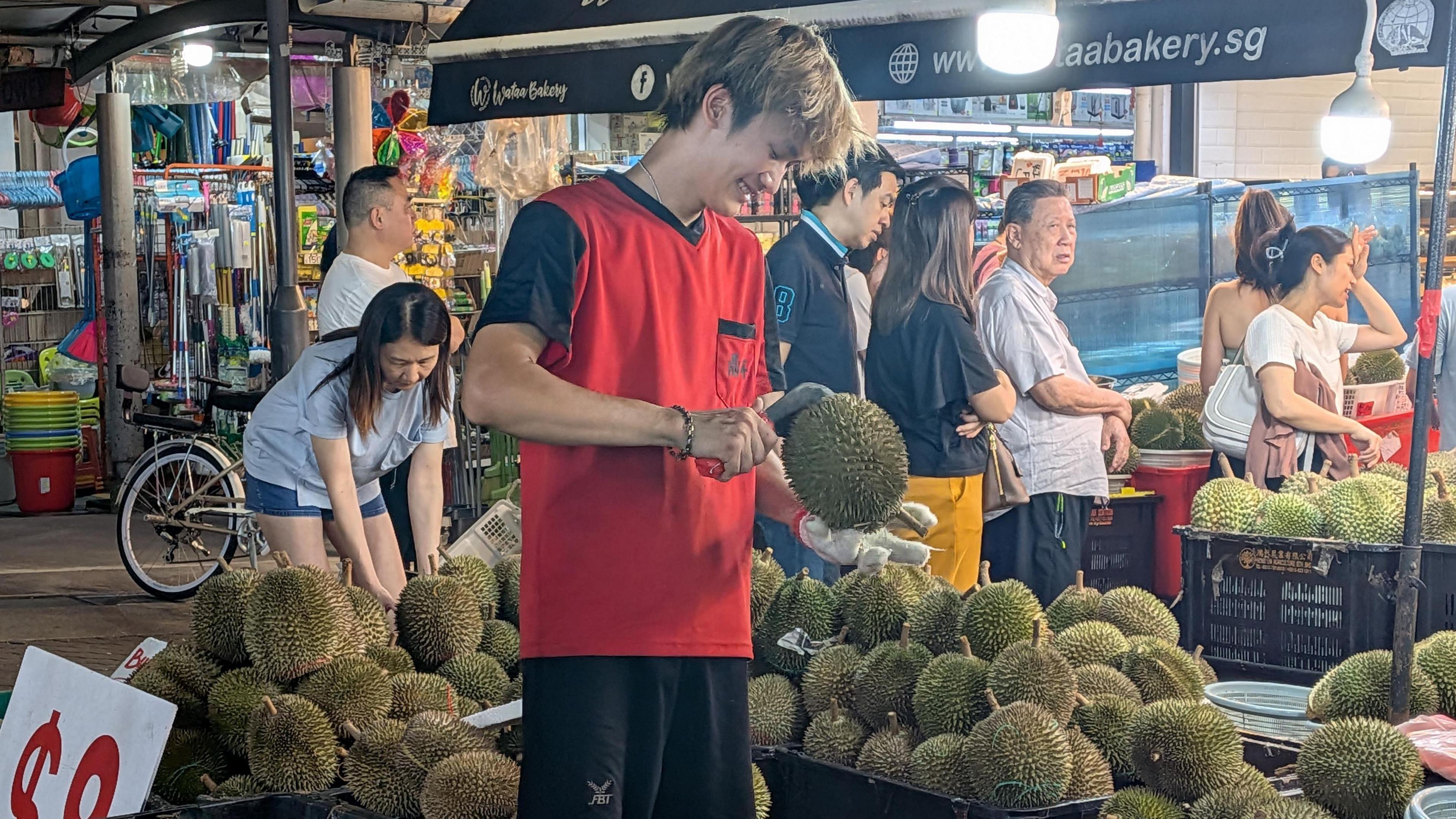
For weeks, shoppers have queued around the Durian Ninja stall in Tampines, eager for two free durians each day. The move comes as a glut from Malaysia, where the Musang King and other varieties burst onto the market, driving down prices worldwide. Local farmers—once buoyed by high demand—now face a slump, with some cutting trees to grow the fruit only to see their produce flood the market at near‑zero prices. Malaysian authorities have launched emergency measures, offering a base purchase price to farmers, while the government pivots to protect the prestige of premium Malaysian durians. Singapore traders, however, gamble on customer engagement, turning the fruit into promotional freebies to attract younger consumers.
For days, residents of Tampines have been lining up at the Durian Ninja stall, eager for the free treat that the owner has been handing out since mid‑June. Each customer receives two durians, totalling about 600kg per day, a generous gesture paid for by an oversaturated market. The move has turned the usually pricey fruit into a viral curiosity.
The surging supply originates from Malaysia, which annually harvests over 550,000 tonnes of durian. 2026 was a particularly fertile year, sending a flood of fruit across borders. The renowned Musang King, grown mainly in Raub, has become a luxury item for Chinese consumers, but the sudden bounty has dramatically lowered retail prices.
According to Tan Cherng—aged 69 and a frequent visitor at the stall—durian lovers are finally eating the prized fruit “of good quality, and sometimes at nearly half the price of previous seasons.” In Singapore and neighbouring Malaysia, shoppers swarm stalls, seizing discounted offers or, in the best cases, taking free fruit.
Nevertheless, many Malaysian farmers are in trouble. The glut has been called a “durian tsunami,” a direct result of a decade long boom in which farmers invested heavily in trees to meet growing Chinese demand. The timing of the mature crops coincided, causing a sudden market excess that depressed prices across the region.
Farmers like Lu Yuee Thing of Raub tell us that many of the trees planted a decade ago are only now bearing fruit. These crops have flooded the market at a price that fell from 13.50 ringgit ($3.30) per kilogram in December to just half that in the spring.
Han Sing Keng, a durian grower in Johor, admits that the cheap “campaign” of throwaway prices has allowed brands to undercut quality. “The name remains Musang King, but the quality is not up to export standards,” he says. In response, some growers diversify, planting bananas or other fruit to buffer losses.
The Malaysian Federal Agricultural Marketing Authority has announced emergency support for smallholders, agreeing to purchase durian at a base price. Deputy director Faisal Iswardi Ismail said he expects prices to recover in “the next few weeks.” Meanwhile, the industry association MIDIDA is promoting the “premium Malaysian durian industry” in China, focusing on authenticity over discount.
Stalls in Pahang have even announced an “all‑you‑can‑fit” promotion, packaging sacks beyond the brim for just 100 ringgit ($24). In Singapore, Kee Eng Chai of Durian Ninja counters by giving out free fruit and selling small portions for as low as S$1 ($0.80). He believes a fresh approach will attract a younger demographic that had historically relied on older Singaporeans when purchasing durian.
The industry’s plight reminds us that a healthy egg‑in‑the‑market is a product of both supply dynamics and consumer demand. While the new glut has cleared the shelves and delighted consumers, it continues to threaten the livelihoods that have long supported Malaysia’s agricultural exports. The battle to strike a balance between abundance and premium value remains underway in the region.